
Why I Finally Walked Away From Three Fitness Apps
If you had looked at my phone six months ago, you would have found a graveyard of fitness apps — each one promising to be the last one I would ever need. There was an app for tracking my runs, another for logging strength sessions, and a third dedicated entirely to recovery metrics and sleep analysis. I was spending more time managing data than actually working out. Sound familiar? That was my life until the Fitbit Air arrived with its built-in Coach feature, and everything changed.
As a self-confessed data junkie, I have always gravitated toward fitness technology. I have worn smartwatches for years, cycling through popular options from major brands in search of the perfect all-in-one health companion. But somewhere along the way, smartwatches started feeling bloated — too many notifications, too many distractions, too much of everything except what I actually needed: clean, actionable fitness data. The Fitbit Air marks my return to the dedicated fitness tracker category, and I can say without hesitation that it has been the most impactful switch I have made in years.
What Makes Fitbit Air Different From Smartwatches
The fitness tracker versus smartwatch debate is older than most people care to admit, but the Fitbit Air makes a compelling case for why purpose-built devices still matter. Unlike a smartwatch that juggles calendar reminders, messaging apps, and music controls alongside health metrics, the Fitbit Air stays focused on what it does best: monitoring your body and helping you improve it.
The hardware itself is sleek and lightweight, sitting comfortably on the wrist without the bulk that comes with modern smartwatches. Battery life is dramatically better — something that matters enormously when you are trying to track sleep, workouts, and continuous heart rate around the clock. But hardware alone would not have convinced me to make the switch. The real story is the software, specifically the Coach feature that sits at the heart of the Fitbit Air experience.
Fitbit Air Coach: The Feature That Changes Everything
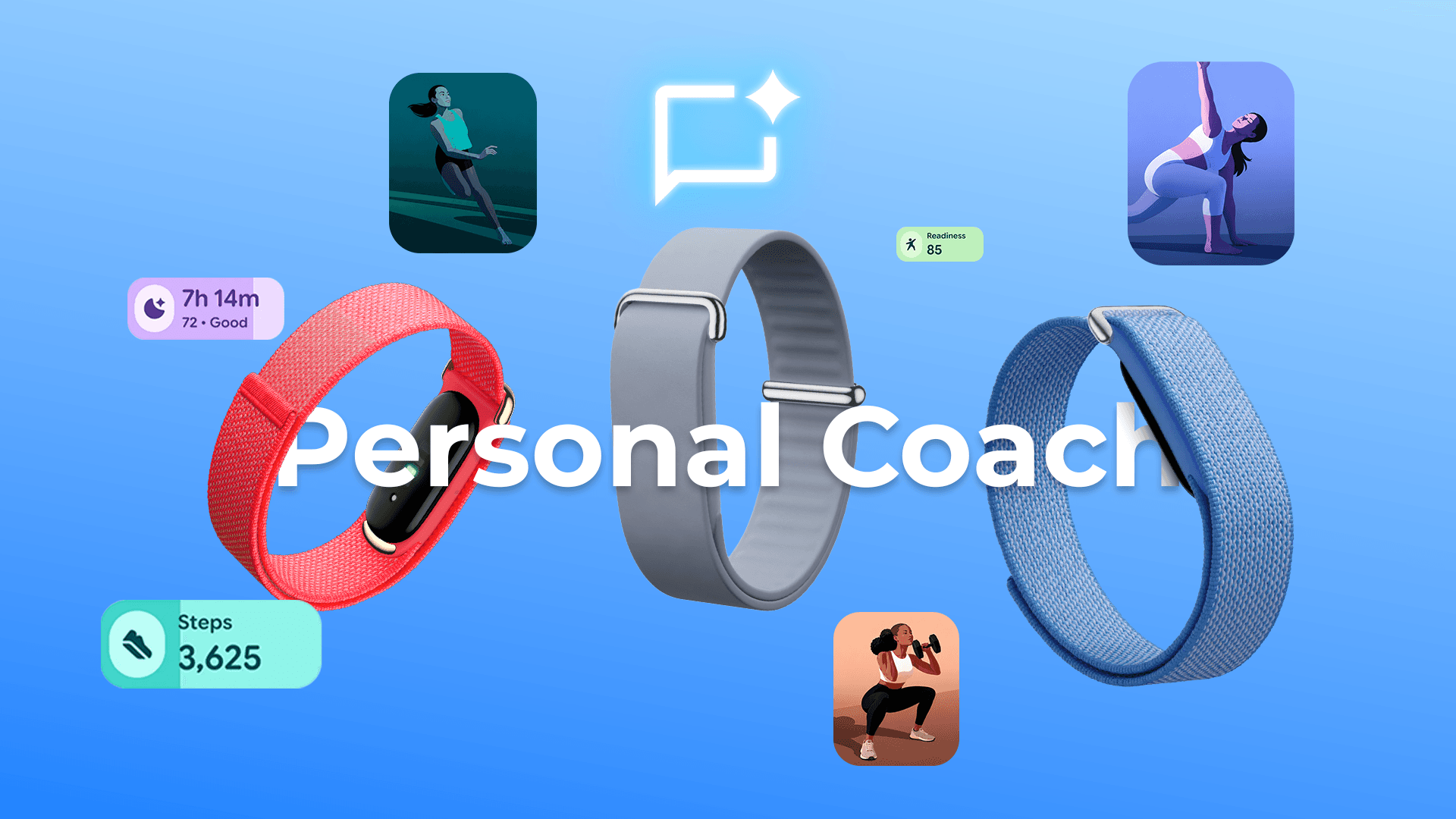
When Fitbit introduced Coach as a core component of the Fitbit Air, many people initially dismissed it as a nice-to-have extra. Having lived with it daily for several months, I can tell you it is far more than that — it is the reason this device made three dedicated apps completely redundant in my life.
Personalized Workout Guidance On Your Wrist
The first app I deleted was my dedicated workout coaching app. It required me to pull out my phone mid-session to follow along with programs, and syncing the data back to my fitness tracker was always a minor headache. Fitbit Air Coach delivers guided workouts directly to the device, curating sessions based on your fitness history, current recovery score, and stated goals. The result is a genuinely personalized program that adapts over time rather than serving up the same generic routines week after week. Whether you are doing a short HIIT session on a rest day or a longer endurance workout, the recommendations feel considered and intelligent.
Run Tracking That Rivals Dedicated Running Apps
The second app to go was my GPS running tracker. I had been using a standalone running app because my previous wearable's native run tracking felt basic by comparison. The Fitbit Air changed that calculation entirely. Built-in GPS captures accurate route data, pace, and distance without requiring your phone to be nearby. Post-run analysis in the Fitbit app is detailed enough to satisfy a runner who cares deeply about splits, elevation, and heart rate zones. After a handful of comparison runs, I found the data was consistent and reliable — good enough to retire my old running app permanently.
Recovery and Sleep Analysis in One Place
The third and final app I removed was my recovery and sleep tracking tool. This one was the hardest to let go of, because I had spent months building a baseline of data inside it. But the Fitbit Air's sleep tracking — enhanced by its Daily Readiness Score — effectively replicated the core insights I had been chasing. The device monitors sleep stages, breathing rate, skin temperature variation, and heart rate variability to generate a readiness score each morning that tells me whether I should push hard in training or dial things back. It is exactly what I needed, and it now lives in the same ecosystem as all my other health data.
The Underrated Power of a Single Ecosystem
One of the most underappreciated aspects of consolidating everything into the Fitbit Air is the benefit of a unified data ecosystem. When your run data, workout data, recovery metrics, and sleep analysis all live in one place, patterns emerge that would otherwise be invisible across fragmented apps. I started noticing correlations between poor sleep nights and reduced workout performance in a way I never could before, simply because I was no longer trying to mentally bridge three different data sources.
- Seamless data flow between workouts, sleep, and recovery tracking
- Reduced friction in daily health management
- Clearer long-term trends that inform smarter training decisions
- No more manual data syncing or cross-app workarounds
Who Should Consider Switching to Fitbit Air
The Fitbit Air is not for everyone — if you rely heavily on your wrist device for smart notifications, contactless payments, or third-party app integrations, a smartwatch remains the better choice. But if you are a fitness-first user who has found themselves drowning in apps and frustrated by fragmented data, the Fitbit Air offers something genuinely refreshing: a device that knows exactly what it is and delivers on that promise exceptionally well.
For data-driven fitness enthusiasts who want coaching, tracking, and recovery analysis without the distractions of a full smartwatch experience, the Fitbit Air with Coach is the most compelling option currently on the market. I deleted three apps and never looked back — and that, in itself, is the most honest review I can give.
Final Verdict: Less Is More
My return to the fitness tracker category via the Fitbit Air has reinforced a lesson I should have learned sooner: the best tools are the ones that solve your specific problems without creating new ones. The Fitbit Air Coach feature did not just match what I was getting from three separate apps — in many ways it surpassed them by bringing everything under one intelligent, cohesive roof. If you are ready to streamline your fitness tech stack and reclaim time you would rather spend actually exercising, the Fitbit Air deserves a serious look.