
Google Officially Discontinues the Nest Mini and Nest Audio
Google has officially pulled the plug on two of its most popular smart speakers: the Nest Mini (formerly known as the Google Home Mini) and the Nest Audio. The tech giant has quietly removed both devices from its store, confirming what many in the smart home community had been speculating for some time. For millions of users who rely on these speakers for voice commands, music playback, and home automation, the discontinuation raises some important questions about what comes next.
Whether you are a longtime Google Home ecosystem loyalist or someone just beginning to explore smart speakers, this development is worth paying close attention to. Let's break down what the discontinuation means, how it affects current owners, and where the smart speaker market might be heading from here.
A Brief History of the Nest Mini and Nest Audio
The Google Home Mini launched back in 2017 as a compact, affordable entry point into the Google smart home ecosystem. It was later rebranded as the Nest Mini in 2019 when Google unified its hardware lineup under the Nest brand. Small enough to fit in the palm of your hand, the Nest Mini became a household staple thanks to its low price point and surprisingly capable Google Assistant integration.
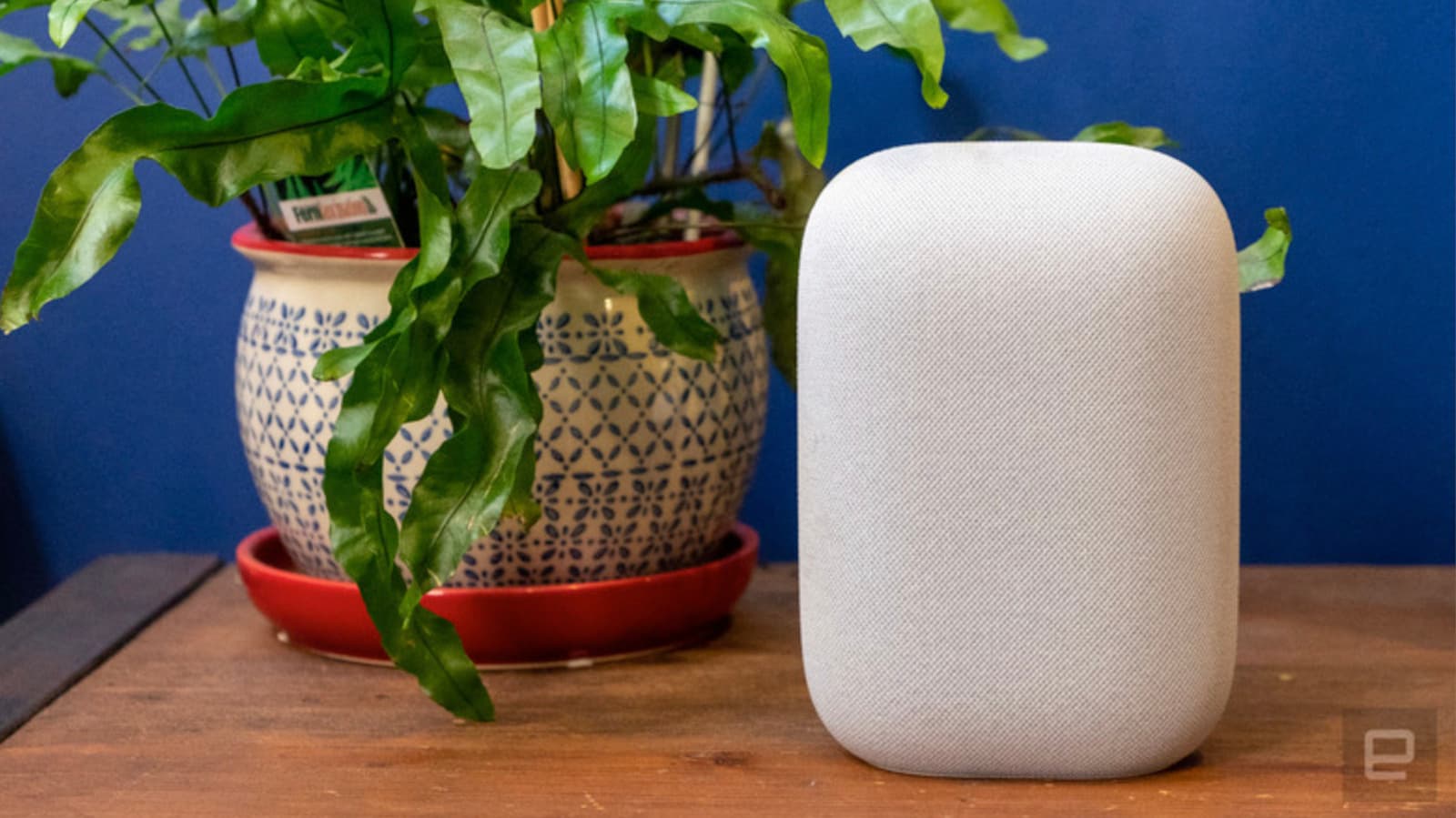
The Nest Audio arrived in October 2020 as a more premium alternative, offering significantly improved sound quality over the Nest Mini. Designed with music lovers in mind, the Nest Audio featured a fabric-wrapped body, a larger driver, and better bass response. It quickly earned strong reviews for delivering rich, full audio at a competitive price, filling the gap between the entry-level Nest Mini and the high-end Nest Hub Max.
Together, these two devices formed the backbone of Google's smart speaker lineup for several years, helping the company compete directly against Amazon's Echo lineup and Apple's HomePod family.
Why Did Google Discontinue These Devices?
Google has not released an official, detailed explanation for the discontinuation, but industry observers have pointed to several contributing factors. The smart speaker market has matured considerably since the late 2010s boom, with growth slowing as consumer enthusiasm has leveled off. At the same time, Google has been sharpening its hardware strategy, trimming its product catalog to focus on devices it believes can differentiate more meaningfully in a crowded market.
There is also the question of artificial intelligence. With the rapid advancement of Google's Gemini AI platform, the company may be preparing to launch a new generation of smart speakers that are more deeply integrated with its latest AI capabilities. Discontinuing older hardware could be a strategic clearing of the deck ahead of a more significant product announcement.
Additionally, Google has faced broader scrutiny over its long-term commitment to hardware products. The company has a well-documented history of discontinuing services and devices, which makes loyal customers understandably cautious whenever a beloved product gets axed.
What This Means for Existing Nest Mini and Nest Audio Owners
If you already own a Nest Mini or Nest Audio, there is no immediate cause for alarm. Google has not announced any plans to shut down support for either device in the near term, and both speakers should continue functioning normally through the Google Home app and Google Assistant.
However, it is worth keeping a few things in mind going forward:
- Software support has a shelf life. While Google has not set a specific end-of-life date, discontinued hardware products typically receive fewer updates over time and eventually lose access to new features or platform integrations.
- Replacement parts and accessories may become scarce. As production winds down and inventory sells through, finding power adapters or mounting accessories for these devices could become more difficult.
- Resale value may fluctuate. Discontinued devices sometimes see a short-term spike in resale demand, particularly among buyers looking to stock up before supplies run dry completely.
For now, both speakers remain excellent tools for controlling smart home devices, setting reminders, playing music, and accessing Google's suite of services. Owning one is not a problem — it simply means you'll want to start thinking about your longer-term plan for your smart home setup.
What Are the Best Alternatives Right Now?
With the Nest Mini and Nest Audio no longer available through Google's official channels, consumers looking for a Google-compatible smart speaker will need to explore alternatives. Here are some options worth considering:
- Google Nest Hub (2nd Gen): If you are open to adding a screen to your setup, the Nest Hub offers all the smart speaker functionality of the Nest Audio paired with a 7-inch display for video calls, recipe browsing, and visual routines.
- Google Nest Hub Max: For users who want a premium smart display experience with a larger 10-inch screen and built-in camera, the Nest Hub Max remains available and packs impressive audio performance.
- Amazon Echo Dot or Echo: If you're willing to step outside the Google ecosystem, Amazon's Echo lineup offers a comparable voice assistant experience with Alexa at various price points.
- Apple HomePod Mini: For Apple users already embedded in the iOS ecosystem, the HomePod Mini provides excellent audio quality and tight integration with Siri and Apple Home.
Looking Ahead: What's Next for Google's Smart Home Strategy?
The discontinuation of the Nest Mini and Nest Audio could be the beginning of a broader shift in how Google approaches its smart home hardware. With Gemini AI becoming an increasingly central part of Google's product identity, it would make sense for the company to develop a new wave of smart speakers that leverage conversational AI in more sophisticated ways than the current Google Assistant allows.
Rumors of a next-generation Google smart speaker have circulated for some time, and while nothing has been officially confirmed, the timing of these discontinuations suggests Google may have something new in the pipeline. Smart home enthusiasts would be wise to watch Google's upcoming hardware events closely.
In the meantime, the smart speaker landscape remains competitive and full of capable options. Whether you stick with Google's remaining lineup or branch out to another ecosystem entirely, the era of voice-controlled smart homes is far from over — it's simply evolving. Google's latest move may feel like an ending, but it could very well be the setup for something better on the horizon.