
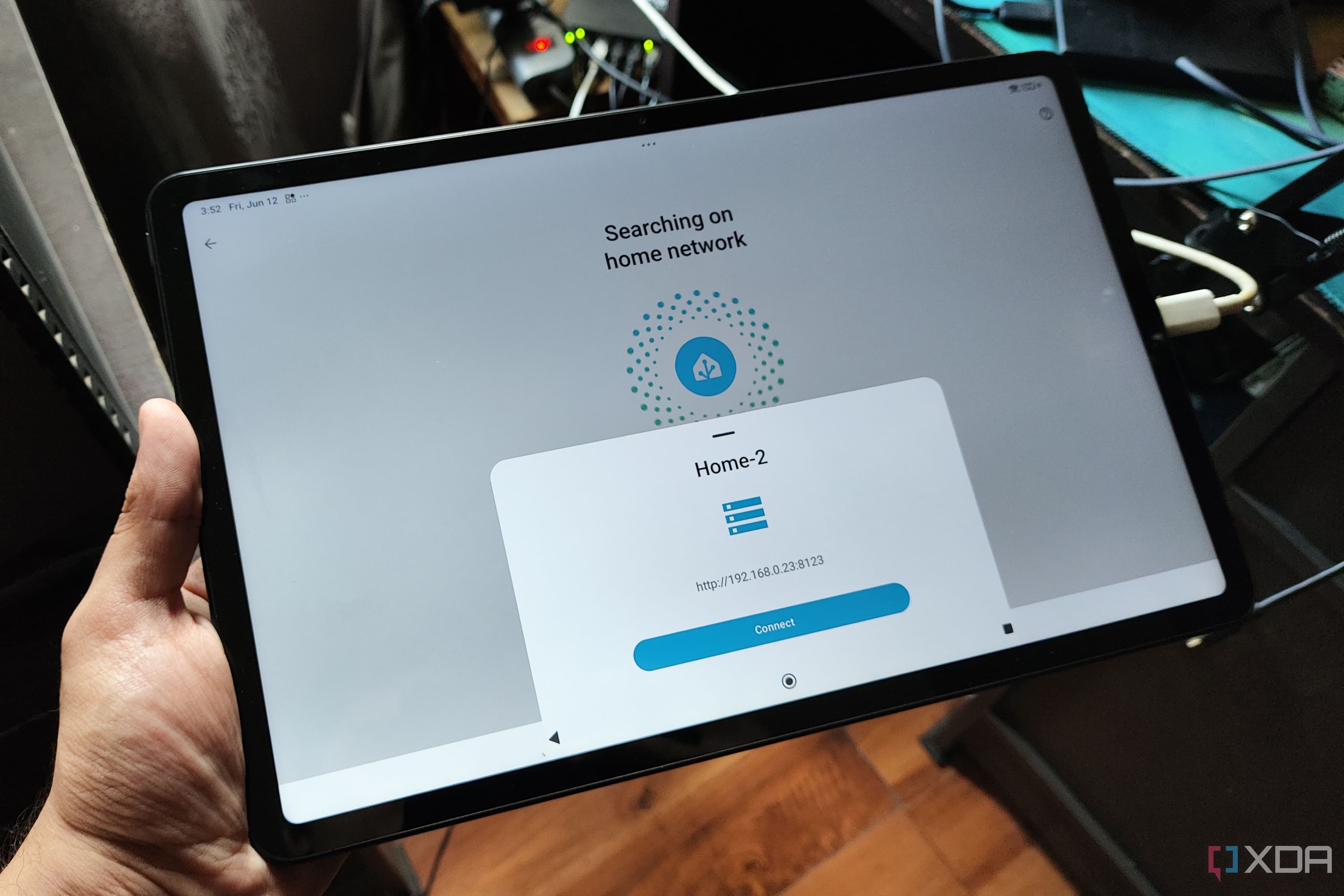
Home Assistant OS 18.0 Is Here — and It's Finally Friendlier to Low-End Hardware
If you've ever tried running Home Assistant on a Raspberry Pi or another budget-friendly single-board computer, you know the struggle. Smart home automation is an incredibly powerful concept, but it has historically demanded a fair amount of system resources — often more than low-end hardware can comfortably spare. That's exactly why the release of Home Assistant OS 18.0 is such exciting news. This update brings meaningful RAM optimization improvements that could transform the experience for users who rely on modest, low-powered devices to run their smart home setup.
Whether you're a seasoned Home Assistant enthusiast or someone just starting to explore the world of home automation, this update is worth paying close attention to. Let's break down what's new, why it matters, and why now might be the perfect time to get started with Home Assistant on a Raspberry Pi or similar device.
What Is Home Assistant OS?
Before diving into what's new in version 18.0, it helps to understand what Home Assistant OS actually is. Home Assistant is one of the most popular open-source smart home platforms in the world, offering users the ability to control, automate, and monitor virtually every connected device in their home — from smart lights and thermostats to security cameras and voice assistants.
Home Assistant OS (HAOS) is a purpose-built Linux-based operating system specifically designed to run Home Assistant. Unlike running Home Assistant inside Docker or a virtual machine on a general-purpose OS, HAOS is a streamlined, optimized environment with one job: running your smart home hub as efficiently and reliably as possible. It handles updates automatically, manages add-ons cleanly, and is designed to minimize the overhead that would otherwise eat into your available system resources.
This makes it the preferred installation method for most users — especially those running Home Assistant on low-end hardware like the Raspberry Pi 3 or Raspberry Pi 4.
The RAM Problem with Home Assistant on Low-End Devices
The Raspberry Pi has long been the go-to hardware choice for Home Assistant hobbyists. It's affordable, widely available, low-power, and capable enough for most smart home tasks. The problem, however, is that Home Assistant has grown significantly in features and complexity over the years. More integrations, more add-ons, more AI-powered tools — all of this adds up, and on a device with only 1GB or 2GB of RAM, things can get tight quickly.
Users with lower-end hardware have reported sluggish performance, automation delays, and in some cases, system instability caused by memory pressure. When Home Assistant gobbles up available RAM, it doesn't leave much room for the add-ons and integrations that make the platform so powerful in the first place. This has been a persistent friction point for the community, and it's one that the Home Assistant development team has clearly been working to address.
What's New in Home Assistant OS 18.0
Home Assistant OS 18.0 arrives with targeted improvements aimed squarely at reducing memory consumption, particularly on devices with limited RAM. The update reflects the development team's ongoing commitment to keeping Home Assistant accessible to users across a wide spectrum of hardware — not just those with powerful mini PCs or high-spec systems.
Key highlights of the 18.0 release include:
- Reduced RAM usage on low-end devices: The core of this update is memory optimization. By refining how system processes and background services consume memory, Home Assistant OS 18.0 is designed to run more lightly on hardware like the Raspberry Pi, freeing up resources for your automations and add-ons.
- Improved system stability: With less memory pressure comes greater overall stability. Users who previously experienced crashes or slowdowns on older hardware should notice a more consistent and reliable experience after updating.
- Continued compatibility with existing hardware: The update maintains broad hardware support, meaning you don't need to buy new equipment to take advantage of the improvements.
- Incremental improvements to the update and supervisor infrastructure: Under the hood, HAOS 18.0 continues to refine the supervisor layer that manages add-ons and core updates, making the whole ecosystem run more smoothly.
Why Raspberry Pi Users Should Update Now
If you're running Home Assistant on a Raspberry Pi — especially an older model with 1GB of RAM — upgrading to HAOS 18.0 should be near the top of your to-do list. The memory improvements alone make it worthwhile, but the broader stability gains mean that your smart home hub should become more reliable day-to-day. Automations should fire more consistently, the web interface should feel more responsive, and add-ons should have more breathing room to operate correctly.
Updating is straightforward through the Home Assistant UI. Navigate to Settings, then System, then Updates, and you should see the option to upgrade to the latest version of Home Assistant OS. As always, it's a good idea to create a full backup before applying any major update.
Home Assistant's Growing AI Capabilities
It's also worth noting that Home Assistant has been actively expanding its AI integration capabilities. The platform has introduced new AI-powered tools that allow users to interact with their smart home using natural language, set up complex automations more intuitively, and leverage local large language models for privacy-conscious home automation. These features are exciting, but they do add to the resource demands of the platform — making the RAM optimization work in OS 18.0 even more timely and important.
By improving memory efficiency now, the Home Assistant team is laying the groundwork for a future where AI features can be enjoyed even on modest hardware, without forcing every user to invest in a high-powered system.
Is Home Assistant Worth It in 2025?
Absolutely. Home Assistant remains the gold standard for self-hosted, privacy-respecting smart home automation. It supports thousands of integrations, has a vibrant and active community, and receives consistent updates that keep it ahead of the curve. The development team's willingness to optimize for low-end hardware — rather than simply demanding that users buy more powerful machines — speaks to a genuine commitment to accessibility.
If you've been sitting on the fence about setting up a smart home hub, Home Assistant OS 18.0 and a Raspberry Pi make for an excellent, cost-effective entry point. And if you're already a Home Assistant user running older hardware, this update is a compelling reason to hit that upgrade button today.
Final Thoughts
Home Assistant OS 18.0 is a thoughtful, user-focused release that directly addresses one of the most common pain points for the platform's most popular hardware pairing. By tackling RAM consumption head-on, the Home Assistant team has made their platform more welcoming for budget-conscious users and hobbyists who want powerful smart home automation without the need for expensive hardware. Update, enjoy the smoother experience, and keep tinkering — that's what Home Assistant is all about.