
IEMs vs. Earbuds: What's the Difference and Which Has Better Audio Quality?
If you've ever gone shopping for a pair of in-ear headphones, you've probably noticed that the terms "earbuds" and "IEMs" get tossed around almost interchangeably. Walk into any electronics store or scroll through any audio product page, and you'll see both labels applied to devices that look, at a glance, remarkably similar. They both sit in your ears. They both play music. So what's the actual difference — and does it even matter for the average listener?
The short answer is: yes, it matters quite a bit. IEMs and earbuds are fundamentally different products with different designs, different sound philosophies, and very different performance ceilings. Understanding those differences can save you money, frustration, and a lot of mediocre listening sessions.
What Are Earbuds?
Earbuds are the classic, widely recognized form of in-ear audio. They sit at the entrance of your ear canal rather than inside it. The small speaker rests against the outer ear, relying on proximity rather than a sealed fit to deliver sound. Apple's original EarPods are probably the most iconic example of this design — a rounded plastic housing that perches at the opening of your ear.
Because earbuds don't create a seal, they're often considered more comfortable for extended wear. There's no pressure on the ear canal, and some people find them easier to put in and take out quickly. They also allow ambient sound to pass through naturally, which can be handy when you need to stay aware of your surroundings.
However, this open design comes with a significant acoustic tradeoff. Without a seal, bass response tends to suffer, sound leaks in and out freely, and the overall listening experience can feel flat or thin compared to sealed alternatives. For casual listening — a podcast on your commute, background music at work — earbuds are perfectly adequate. For critical listening or immersive audio experiences, they typically fall short.
What Are IEMs?
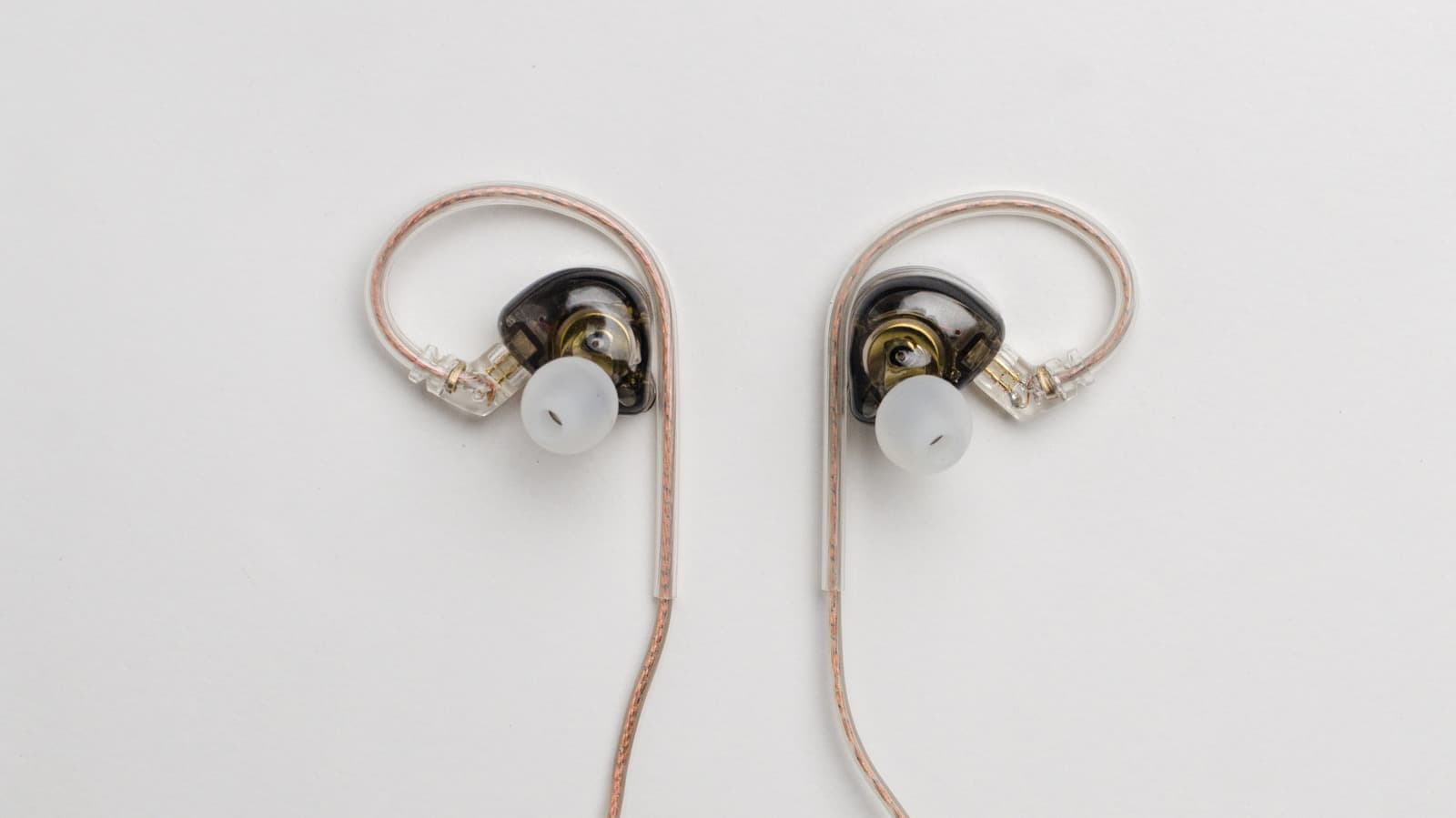
IEM stands for In-Ear Monitor. Originally developed for stage use — musicians would wear them to hear themselves and their bandmates clearly over the noise of a live performance — IEMs have since crossed over into the consumer market and become a staple for audiophiles and serious music listeners everywhere.
The key distinction of an IEM is that it inserts directly into the ear canal and creates an acoustic seal using silicone, foam, or custom-molded ear tips. That seal is everything. It's the reason IEMs perform so differently from standard earbuds, and it's the foundation of their superior sound quality.
Because IEMs seal the ear canal, they effectively block out external noise passively — without any active noise cancellation electronics required. They also create a controlled acoustic environment in which sound waves from the driver interact with your ear in a much more precise and consistent way. The result is tighter bass, cleaner mids, more detailed highs, and an overall sense of depth and dimensionality that earbuds simply can't replicate.
How the Design Affects Audio Quality
The acoustic seal created by IEMs is the single most important factor separating the two categories in terms of audio performance. Here's a closer look at how each design element influences what you hear:
- Bass response: Earbuds, with their open fit, tend to bleed bass frequencies into the environment. IEMs, by sealing the canal, trap those low-frequency sound waves and deliver them more efficiently to your eardrum. The result is noticeably deeper, more accurate bass without the need for artificial boosting.
- Noise isolation: IEMs can provide anywhere from 10 to 30 decibels of passive noise isolation depending on the fit and tip material. Earbuds provide virtually none. This means that in a noisy environment — a gym, a subway, an airplane — IEMs let you listen at lower volumes while still hearing your audio clearly, which is also better for long-term hearing health.
- Soundstage and imaging: Because IEMs deliver sound directly into the ear canal in a controlled way, they tend to produce a more precise soundstage. Instruments and vocals are easier to place within the mix, and fine details that might get lost or smeared with earbuds come through with greater clarity.
- Driver configurations: Many high-end IEMs feature multiple drivers — combinations of dynamic, balanced armature, or planar drivers — tuned to handle different frequency ranges. This is a level of engineering complexity you almost never see in standard earbuds, and it contributes significantly to their audio fidelity.
Comfort and Fit Considerations
One area where earbuds genuinely have an advantage is ease of use and comfort for many people. IEMs require a proper seal to perform correctly, and finding the right ear tip size and material can take some experimentation. Foam tips generally provide the best seal and isolation but may feel uncomfortable for some. Silicone tips are more common and comfortable but vary in fit quality between ear shapes.
That said, once you find the right fit, many listeners find IEMs just as comfortable as earbuds for extended sessions — sometimes more so, because proper insertion can actually distribute pressure more evenly than a hard earbud resting against the outer ear.
Price Range and Value
Earbuds span a wide price range, from a few dollars to over a hundred, but they tend to plateau in audio quality before IEMs do. Entry-level IEMs in the $20 to $50 range already outperform most mid-range earbuds in sound quality. As budgets climb toward $100, $300, or even $1,000 and beyond, IEMs continue to scale in performance in ways that earbuds fundamentally cannot, due to their design limitations.
For casual listeners, a good pair of earbuds is a perfectly reasonable choice. But for anyone who values their audio experience — whether you're a music enthusiast, a podcast addict who appreciates clarity, a gamer, or a commuter who wants real noise isolation — investing in a pair of IEMs is one of the most impactful upgrades you can make.
Which Should You Choose?
The decision between IEMs and earbuds ultimately comes down to your priorities. If you want simplicity, a relaxed fit, and casual everyday use without worrying about ear tip sizes, earbuds are a fine choice. But if audio quality, noise isolation, and a more immersive listening experience are important to you, IEMs are the clear winner in virtually every measurable way.
The good news is that the IEM market has never been more accessible. There are excellent options available at every price point, and the barrier to entry for genuinely high-quality audio has never been lower. Once you've heard a well-fitted pair of IEMs on a good recording, it's very hard to go back to standard earbuds — and that's probably the most convincing argument of all.