
India Reopens Contamination Probe Into Tata's iPhone Factory in Tamil Nadu
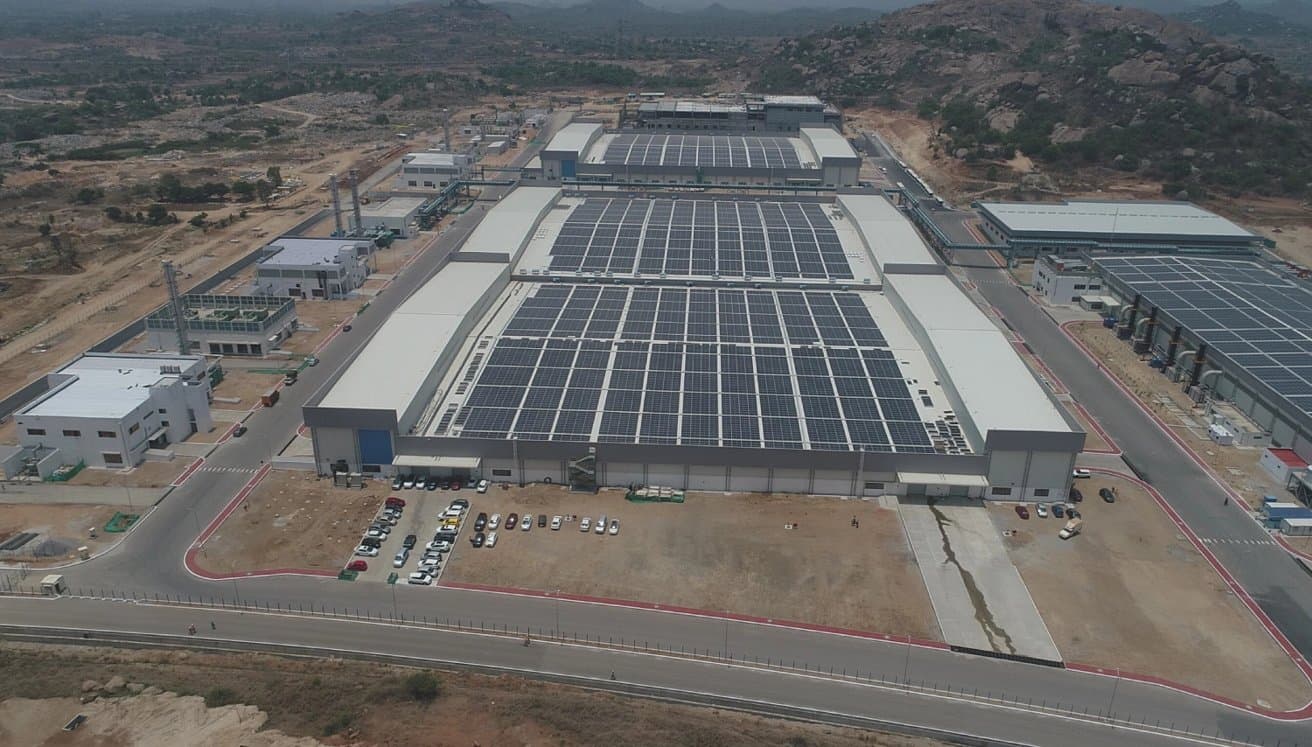
Tata's iPhone component manufacturing facility in Hosur, Tamil Nadu, is once again at the center of controversy. Just days after a pollution complaint appeared to be resolved, Indian health authorities have opened a fresh investigation into alleged environmental contamination linked to the plant. The renewed scrutiny comes on the heels of a tense standoff between security guards and local farmers, raising serious questions about the factory's environmental impact on surrounding communities and agricultural land.
A Timeline of Trouble: From Shutdown Threat to New Investigation
The situation began escalating in mid-June 2026, when India's Tamil Nadu Pollution Control Board (TNPCB) threatened to force a full shutdown of the Tata facility. According to reports, a series of inspections conducted by the board found strong evidence that contaminated wastewater from the factory had been seeping into local wells, potentially threatening the health of nearby residents and the livelihoods of farmers who depend on that water for irrigation.
The threat of closure was significant. Tata's Hosur plant is a key node in Apple's broader strategy to diversify its manufacturing supply chain away from China and deepen its footprint in India. Any forced shutdown would have sent ripples not only through Tata's operations but through Apple's global production schedule as well.
On June 15, 2026, the TNPCB was reportedly on the verge of issuing a formal shutdown order. However, in a swift turn of events, the situation appeared to defuse just one day later. On June 16, Tata announced that its own independent environmental study had concluded the facility was operating in full compliance with existing regulations. Shortly thereafter, Tata stated that the Tamil Nadu regulator had "dropped any further course of action on this issue," suggesting the matter had been resolved.
That resolution, however, proved short-lived. Within days, a new contamination probe was opened, putting the factory squarely back in the spotlight and reigniting concerns from local communities about whether adequate environmental oversight is being applied to large-scale industrial operations in the region.
The Conflict Between Guards and Farmers
Adding to the tension surrounding the factory, there was a reported conflict between the plant's security personnel and local farmers that nearly turned violent. While full details of the altercation remain limited, the incident reflects the deep friction that can arise when industrial expansion intersects with agricultural communities. Farmers in the region have voiced concerns about the safety of their water supply and the broader impact of large manufacturing operations on their land and livelihoods.
Such conflicts are not uncommon when industrial facilities are built in or near farming regions, particularly in areas where water resources are already under stress. The farmers' concerns about contaminated wells align directly with the findings cited by the TNPCB during its initial round of inspections, lending credibility to community grievances that might otherwise be dismissed as anecdotal.
What the Contamination Allegations Mean for Tata and Apple
For Tata Electronics, the renewed probe represents a reputational and operational risk at a particularly sensitive moment. The company has been aggressively expanding its role in Apple's supply chain, and the Hosur facility is central to those ambitions. Tata acquired Wistron's iPhone assembly operations in India in 2023 and has since invested heavily in scaling up local production capacity.
Apple, for its part, has made India a cornerstone of its manufacturing diversification strategy. The company has been steadily shifting production of various iPhone models to Indian facilities operated by both Tata and Foxconn, driven by a desire to reduce its dependence on Chinese manufacturing amid ongoing geopolitical tensions and supply chain vulnerabilities. Any sustained disruption to Tata's operations in Hosur would complicate those plans considerably.
Beyond the immediate business implications, the contamination allegations raise broader questions about environmental compliance standards within India's rapidly expanding electronics manufacturing sector. As India positions itself as a global hub for smartphone production, regulators, communities, and international partners will be watching closely to see how the country balances industrial growth with environmental responsibility.
The Role of the Tamil Nadu Pollution Control Board
The TNPCB is the state-level regulatory body responsible for monitoring and enforcing environmental standards across industries operating in Tamil Nadu. Its decision to reopen the investigation signals that the board was not fully satisfied with either Tata's independent study or the circumstances under which the earlier complaint was dropped. Regulators reopening a case after a brief closure is unusual and suggests there may be additional evidence or community pressure that prompted the new probe.
- The TNPCB conducted multiple inspections of the Hosur facility before issuing its initial shutdown threat in June 2026.
- Contaminated wastewater allegedly reached local wells, raising public health concerns for nearby residents.
- Tata's independent study claimed regulatory compliance, but this did not prevent a fresh investigation from being launched.
- The factory's proximity to agricultural land means that any water contamination has direct implications for local food production and farming income.
What Happens Next?
As the new probe gets underway, all eyes will be on the TNPCB's findings and on how both Tata and Apple respond publicly. Transparency will be critical. If contamination is confirmed, Tata will face pressure to implement immediate remediation measures and strengthen its wastewater treatment systems. If the facility is cleared, authorities will need to address why conflicting findings have emerged in such a short period.
For Apple's India manufacturing ambitions to remain on solid footing, the company may need to take a more active role in ensuring that its supply chain partners meet not just production benchmarks, but also robust environmental and community standards. The situation in Hosur is a reminder that sustainable manufacturing requires more than efficiency — it demands accountability at every level of the supply chain.
The story of Tata's iPhone factory in Tamil Nadu is far from over. As investigations continue, the outcome will likely shape both regulatory policy and corporate practice for the broader electronics manufacturing industry taking root across India.