
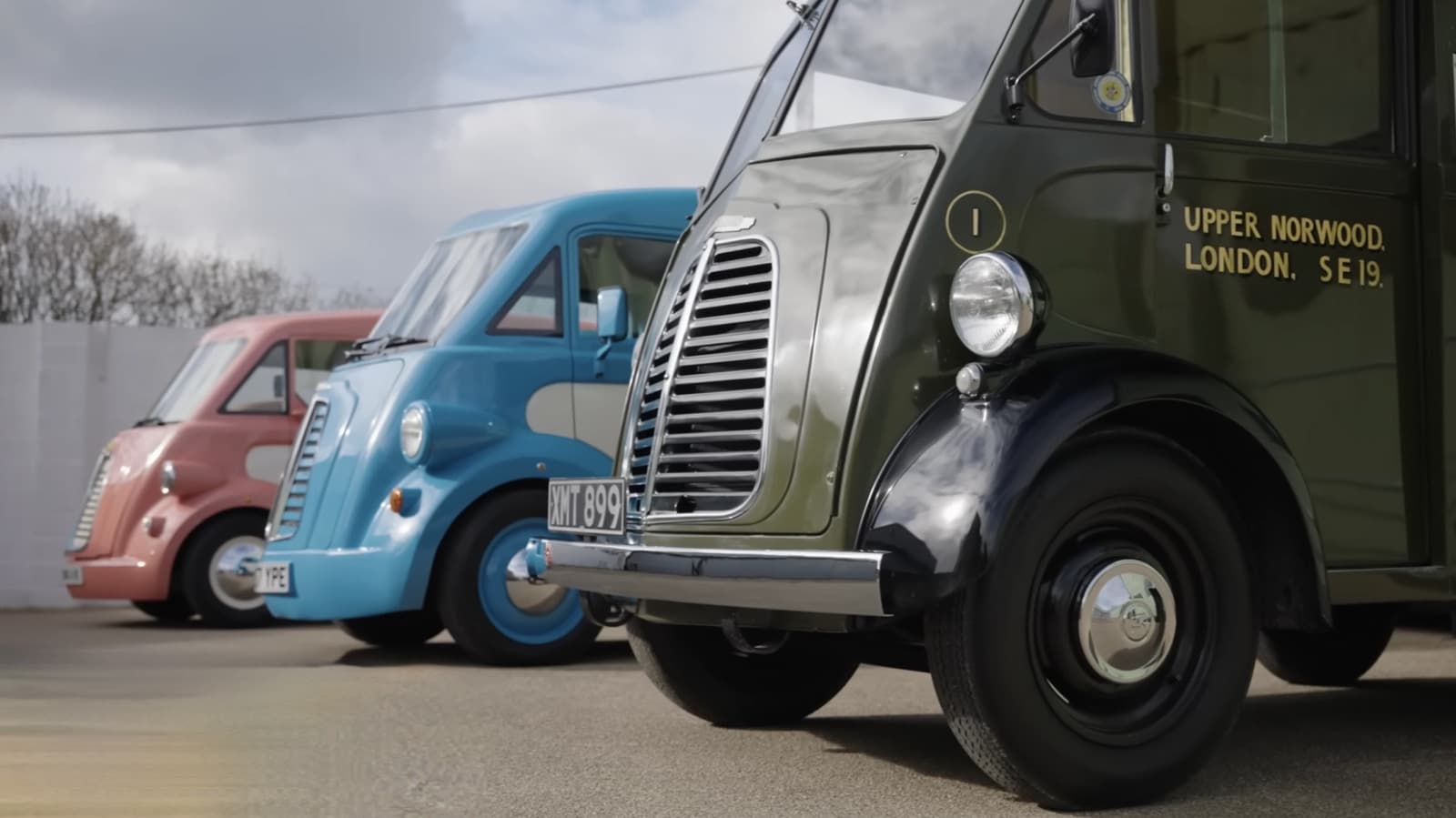
A New Van That Looks Like It Rolled Straight Out of the 1940s
In an automotive landscape dominated by sleek, aerodynamic profiles and futuristic electric designs, one new van is boldly swimming against the current. Drawing deep inspiration from a Volkswagen design that is nearly a century old, this remarkable vehicle channels the spirit of the 1940s in a way that is impossible to ignore. Whether you are a vintage design enthusiast, a retro culture devotee, or simply someone tired of vehicles that all look the same, this old-school van is about to give you something genuinely exciting to look at.
The revival of retro aesthetics in the automotive world is nothing new, but going all the way back to the 1940s is a statement few manufacturers have been bold enough to make. This van does exactly that, and the result is a head-turning machine that feels simultaneously nostalgic and fresh.
The Volkswagen Legacy That Inspired It All
To understand why this new van is so visually striking, you need to appreciate just how iconic early Volkswagen design truly was. The roots of VW's van heritage stretch back to the late 1940s and early 1950s, when the company introduced the legendary Type 2, also known as the Transporter or the Microbus. With its rounded body, split windshield, and distinctive front-engine-free nose, the Type 2 became one of the most recognizable vehicles in automotive history.
However, the design language that preceded even the Type 2 — the raw, utilitarian, and wonderfully boxy aesthetics of wartime and immediate postwar German engineering — is what appears to be at the heart of this new van's visual identity. That era of design was defined by practicality over performance, personality over perfection, and a handcrafted quality that mass production would later wash away. Tapping into that specific decade takes serious creative confidence.
What Makes a 1940s Design So Appealing in the Modern Era?
It is worth asking: why would anyone want a van that looks like it belongs in a black-and-white photograph? The answer lies in the cultural exhaustion many consumers feel toward ultra-modern, often soulless vehicle design. Today's cars and vans frequently look like they were rendered by the same algorithm, smooth and efficient but lacking character. A vehicle that echoes the 1940s carries with it a sense of authenticity, craftsmanship, and individuality that modern design rarely achieves.
- Nostalgia sells: Retro design triggers powerful emotional responses in buyers, connecting them to a romanticized past even if they never lived through it.
- Stand-out appeal: A van styled after a nearly century-old design is virtually guaranteed to turn heads in any parking lot or city street.
- Cultural cachet: Vintage-inspired vehicles have long been associated with creativity, counterculture, and artisanal values — all qualities that resonate strongly with today's consumers.
- Timeless aesthetics: Design trends from the 1940s have already proven their longevity. Betting on them again is not a risk — it is a calculated nod to enduring style.
Retro Looks, Modern Expectations
Of course, looking like a vehicle from the 1940s and actually performing like one are two very different things. Any new van wearing vintage styling still needs to meet the safety, comfort, and technological standards that modern drivers demand. The challenge for manufacturers pursuing retro design is threading that needle — preserving the visual soul of a bygone era without sacrificing the engineering advances that make contemporary vehicles livable and safe.
Modern safety regulations alone require features that simply did not exist eighty years ago: crumple zones, airbags, lane-assist systems, and backup cameras all need to be integrated into a body that looks like it predates the television set. Done poorly, the result can feel like a costume rather than a genuine vehicle. Done well, however, the marriage of old-school aesthetics and new-school technology produces something truly special — a van that offers the best of both worlds.
The Broader Trend of Retro Automotive Revival
This new van does not exist in a vacuum. It arrives at a moment when retro automotive design is experiencing a genuine renaissance. From the reborn Ford Bronco channeling its 1960s roots to the Volkswagen ID. Buzz deliberately echoing the original Microbus, automakers around the world have recognized that consumers are hungry for design with a story behind it.
The difference with this van is the depth of its historical reach. Most retro revivals look back twenty, thirty, or perhaps forty years. Going back to the 1940s is a far more ambitious leap, one that requires both a thorough understanding of that era's design vocabulary and the courage to commit to it without compromise. The fact that a manufacturer is willing to plant its flag that far back in history suggests a real passion for the source material rather than a cynical marketing calculation.
Why This Matters for Van Enthusiasts
For the dedicated community of van enthusiasts, camper van converters, and vintage vehicle collectors, a new van built around 1940s Volkswagen-inspired aesthetics is nothing short of exciting news. These buyers have long had to choose between modern reliability and vintage character, often settling for expensive restorations of aging originals. A new vehicle that bridges that gap represents a genuine opportunity — the soul of a classic with the reliability of something that just rolled off the production line.
Final Thoughts: Old Is the New New
In an era where automotive design often feels like a race toward an ever more anonymous future, this new van is a defiant, joyful reminder that the past still has something powerful to offer. By reaching back nearly a century to a Volkswagen design tradition that helped define what a utility vehicle could look like, it delivers a product that feels genuinely different. Whether it ultimately finds a broad audience or becomes a beloved cult classic, one thing is already certain: nobody is going to mistake it for every other van on the road. And in today's market, that alone might be worth more than any amount of cutting-edge technology.