
What to Do When There's No Speed Limit Sign in Sight
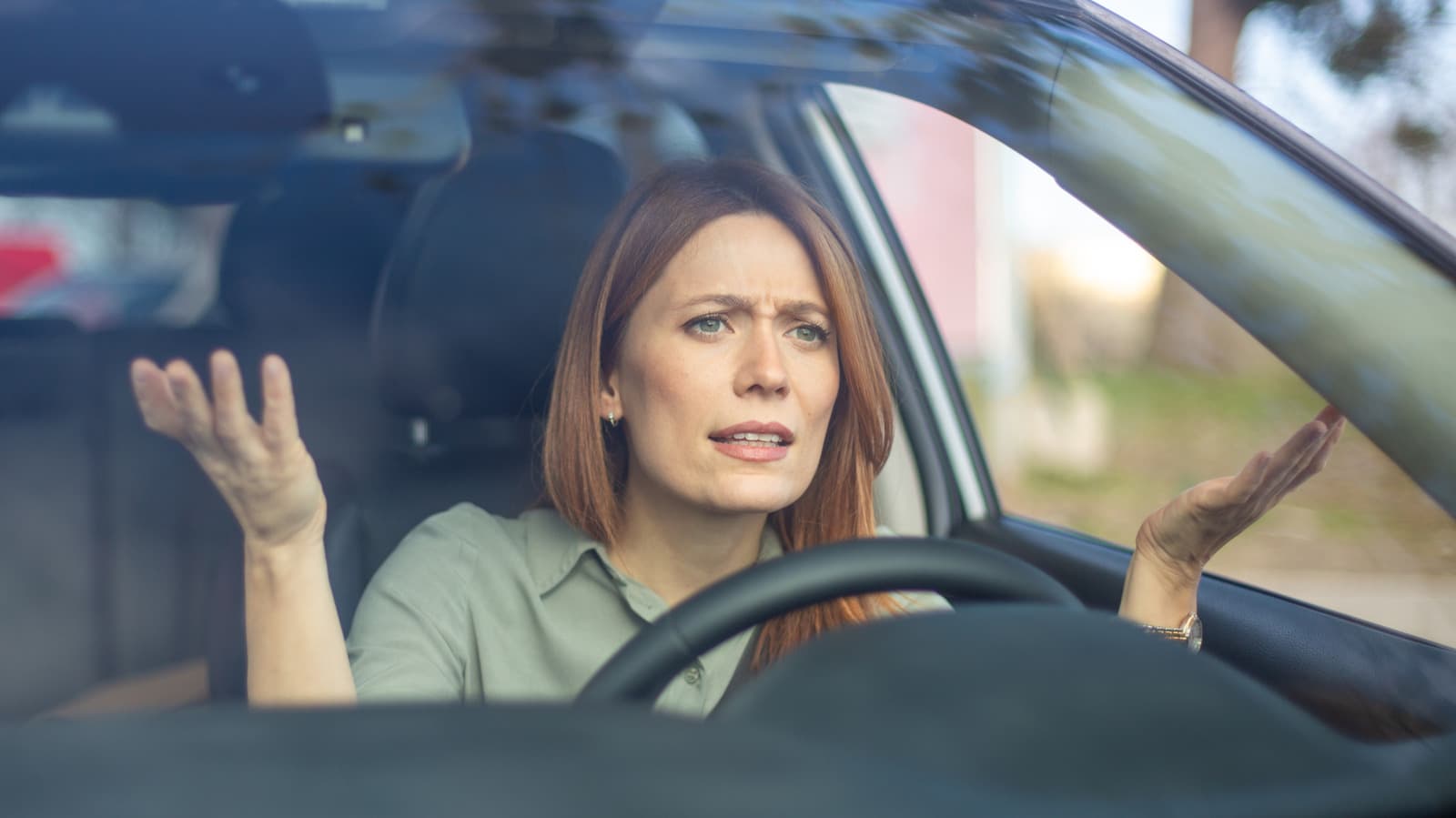
You've just turned onto an unfamiliar road, your eyes scan both sides of the street, and there isn't a speed limit sign anywhere to be found. It's a situation most drivers have encountered at some point, and it can feel surprisingly stressful. Go too fast and you risk a ticket or an accident. Go too slow and you might frustrate the drivers behind you. So what exactly are you supposed to do? The good news is that you are not left to guess — state laws across the country have built-in rules to handle exactly this scenario.
Why Speed Limit Signs Aren't Always Present
Before diving into what you should do, it helps to understand why speed limit signs might be missing in the first place. In many cases, signs are simply not required on certain road types because a default speed limit already applies by law. Local municipalities, counties, and state transportation departments each operate under their own frameworks, and they don't always post signage for limits that are considered universally understood.
In other cases, a sign may have been knocked down by a vehicle, vandalized, stolen, or simply not yet replaced after routine road maintenance. Whatever the reason, the absence of a posted speed limit sign does not exempt you from obeying the law — and it certainly doesn't mean the road has no speed limit at all.
Understanding Default Speed Limits
Every state in the U.S. has what are known as "default" or "statutory" speed limits. These are legally established maximum speeds that apply automatically to certain types of roads and zones, regardless of whether a sign is physically posted. These default limits are part of each state's traffic code, and every licensed driver is expected to know them.
While the exact numbers can vary slightly from state to state, there are some commonly applied defaults that most drivers should be aware of:
- Residential areas and urban streets: In most states, the default speed limit in a residential neighborhood or urban district is 25 mph. Some cities, including New York City, have dropped this further to 20 mph in certain zones.
- School zones: Even without a flashing sign or visible posted limit, school zones typically carry a default speed of 15 to 25 mph during school hours. This is one of the most strictly enforced default limits in the country.
- Rural undivided highways: On roads outside of cities and towns that have not been designated as interstates or freeways, the default speed limit is commonly 55 mph in many states, though this can range from 50 to 65 mph depending on where you are.
- Alleys: In states that specifically regulate alley driving, the default is often 15 mph or lower.
- Business districts: Commercial zones frequently carry defaults similar to residential areas, often between 25 and 35 mph.
The "Basic Speed Law" — A Principle Every Driver Should Know
Beyond default statutory limits, most states also enforce what is commonly called the "Basic Speed Law" or "Prima Facie Speed Law." This rule essentially states that regardless of any posted or default speed limit, a driver must never operate their vehicle faster than is safe for current conditions.
What does that mean in practice? It means that if you are driving on a rural road with a default limit of 55 mph, but it is raining heavily, visibility is poor, and the road is slick, you are legally obligated to reduce your speed to whatever is safe — even if that means driving 30 or 35 mph. Officers can and do issue citations for driving too fast for conditions even when a driver is technically within the posted or default limit.
This principle puts the burden squarely on the driver to exercise good judgment, and it is one of the foundational concepts taught in driver's education courses across the country.
How to Find the Right Speed Limit When You're Unsure
If you frequently drive in unfamiliar areas or have recently moved to a new state, taking a few proactive steps can save you from costly tickets and dangerous situations.
- Review your state's DMV handbook: Every state publishes a driver's handbook that outlines default speed limits for various road types. These are freely available online and are an essential reference for any driver.
- Use GPS navigation apps: Modern navigation apps like Google Maps, Waze, and Apple Maps display real-time or mapped speed limits for most roads. While not always perfectly up to date, they provide a helpful general reference.
- Pay attention to road context: The type of road you are on, the density of surrounding buildings, the presence of pedestrians, and the behavior of other drivers can all give you contextual clues about an appropriate speed.
- When in doubt, slow down: If you truly cannot determine the applicable speed limit, erring on the side of caution is always the legally and practically safer choice.
Consequences of Ignoring Default Speed Limits
Some drivers mistakenly believe that if there is no posted sign, they cannot be ticketed for speeding. This is a dangerous and incorrect assumption. Law enforcement officers are fully authorized to cite drivers for violating default statutory limits, and courts consistently uphold these citations. In addition to fines, speeding convictions — even on unmarked roads — can result in points on your license, increased insurance premiums, and in serious cases, license suspension.
Final Thoughts
The absence of a speed limit sign on a road is never an invitation to drive as fast as you like. States have carefully crafted default speed limit laws to ensure that every road — signed or not — has a legally enforceable maximum. By familiarizing yourself with your state's statutory limits, applying the basic speed law based on conditions, and using available technology to stay informed, you can drive confidently and responsibly no matter what road you find yourself on. When in doubt, slow down — it's the one driving decision you will never regret.