
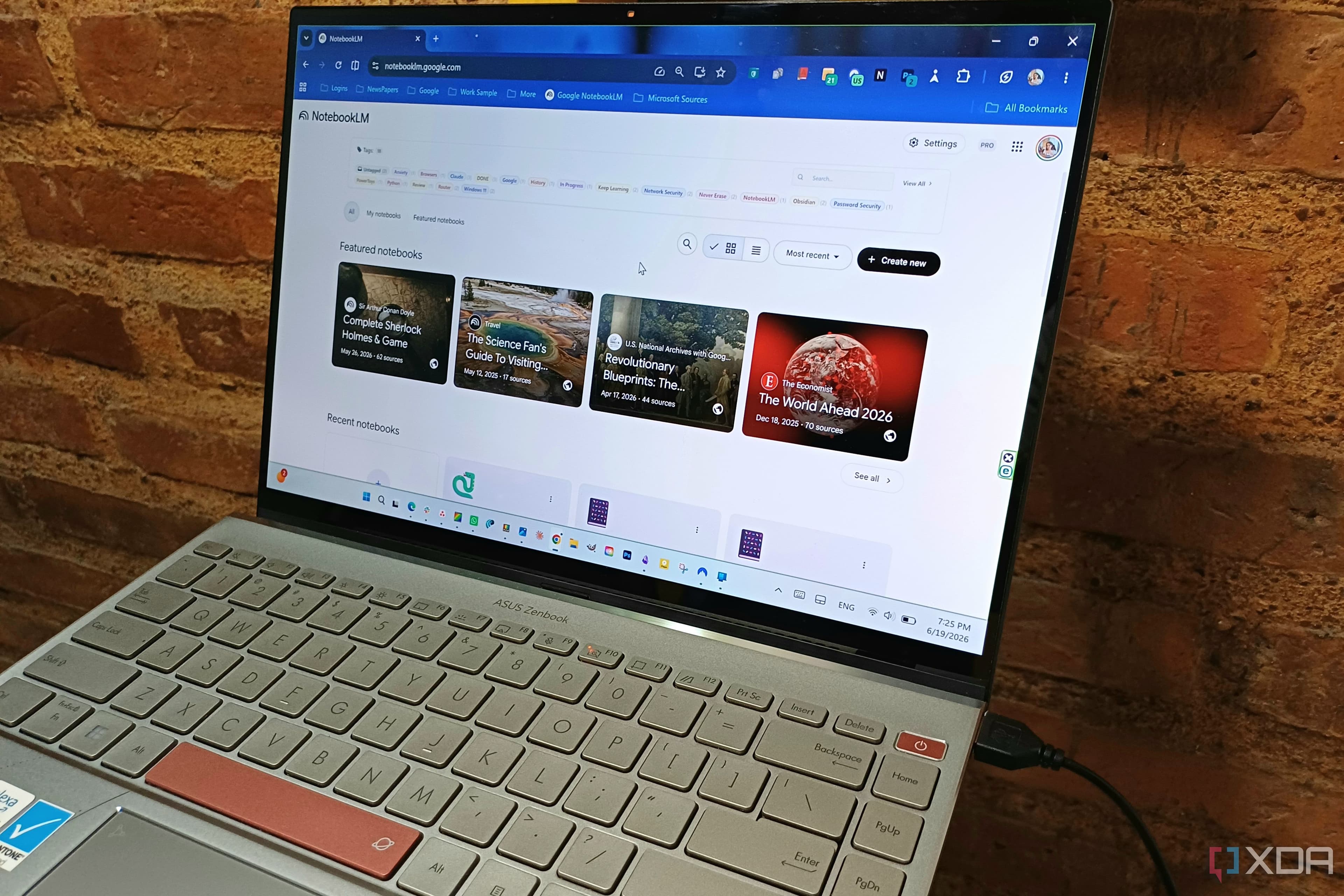
Why I Stopped Gathering Sources One by One
For years, gathering sources for any serious research project meant the same exhausting ritual: opening tab after tab, skimming abstracts, copy-pasting links into a document, and hoping I had not missed anything critical. The process felt thorough at the time, but looking back, it was painfully manual and riddled with blind spots. I was only ever finding what I already knew to search for, which means I was unknowingly limiting the scope of my own work.
That changed when I started experimenting with NotebookLM, Google's AI-powered research and note-taking tool. Specifically, its Source Discovery feature reshaped the way I think about building a source list entirely. Instead of hunting down every reference myself, I let the tool do a first pass — and what it surfaced genuinely surprised me.
What Is NotebookLM and Why Does It Matter for Research?
NotebookLM is an AI-powered notebook tool developed by Google that allows users to upload documents, PDFs, URLs, and other source materials, then interact with that content through a conversational AI interface. Think of it as a research assistant that actually reads everything you give it and can synthesize, summarize, and now even expand your source list on your behalf.
What makes NotebookLM stand out from generic AI chatbots is that it grounds its responses in the sources you provide. It is not pulling from the open web arbitrarily — it is working within a defined knowledge space, which makes its outputs far more reliable and relevant to your specific project. This grounded approach is part of what makes the Source Discovery feature so useful in practice.
How NotebookLM's Source Discovery Feature Works
The Source Discovery feature in NotebookLM is designed to analyze the sources you have already added to your notebook and then suggest additional sources that are relevant to your topic. Rather than requiring you to know exactly what to look for, the tool identifies gaps and connections you may not have considered.
Here is a general breakdown of how the process works in practice:
- You seed your notebook with initial sources. These could be articles, research papers, PDFs, or website URLs related to your project topic.
- NotebookLM analyzes the content and context of what you have uploaded, identifying key themes, terminology, and knowledge gaps.
- The Source Discovery feature suggests additional sources based on that analysis, pointing you toward materials that are topically relevant and potentially valuable to your work.
- You review the suggestions and decide which ones to add, keeping you in control of the final source list.
The result is a research process that feels collaborative rather than entirely solitary. NotebookLM acts less like a passive storage tool and more like a knowledgeable research partner who has done some legwork on your behalf.
The Sources I Would Have Missed Without It
When I first used Source Discovery on a project I thought I had already researched thoroughly, the suggestions it returned were a genuine eye-opener. Several of the recommended sources covered angles I had not considered. Others were highly relevant papers or articles that simply had not appeared in my initial search results, likely because I had not used the right keywords or because they were buried deeper in search rankings than I typically dig.
This is one of the most underappreciated problems in research: you can only search for what you already know exists. If you are not aware that a particular term, subtopic, or perspective exists within your field, you will never think to search for it. NotebookLM sidesteps this limitation by inferring what is relevant from your existing content rather than relying solely on your search queries.
For anyone working on academic research, content marketing, journalism, or any knowledge-intensive project, this shift in approach can meaningfully improve the depth and credibility of your final work.
Who Benefits Most from NotebookLM's Source Discovery
While anyone can benefit from a smarter research workflow, certain users are likely to find Source Discovery especially valuable.
- Students and academics conducting literature reviews who need to ensure they have covered the relevant body of work in their field.
- Content creators and bloggers who want to produce well-sourced, authoritative articles without spending hours on manual research.
- Journalists and investigators who need to identify sources they may not have encountered through conventional channels.
- Business analysts and strategists compiling competitive intelligence or market research who need comprehensive coverage of a topic.
- Writers and researchers working on nonfiction books or long-form projects where missing a key source could undermine credibility.
Practical Tips for Getting the Most Out of Source Discovery
Like any AI tool, NotebookLM's Source Discovery works best when you give it strong inputs to work with. Here are a few ways to maximize its effectiveness.
- Start with high-quality seed sources. The more authoritative and relevant your initial materials, the better the suggestions the tool is likely to surface.
- Be specific in your notebook's focus. A tightly scoped project will yield more targeted source suggestions than a broad, loosely defined topic.
- Review suggestions critically. AI tools are powerful but not infallible. Always evaluate recommended sources for credibility, relevance, and recency before adding them to your project.
- Use it iteratively. As you add new sources from its suggestions, run Source Discovery again. New inputs can unlock a fresh round of relevant recommendations.
A Smarter Way to Research Is Already Here
The days of manually combing through search results and hoping you have not missed anything important do not have to be the default anymore. NotebookLM's Source Discovery feature represents a meaningful step forward in how AI can support knowledge work — not by replacing human judgment, but by extending its reach.
If you have been sleeping on NotebookLM or only using it for basic summarization, the Source Discovery feature alone is worth revisiting. It found sources I missed, and it very likely will find some that you have missed too. In research, those gaps matter — and now there is a smarter way to close them.