
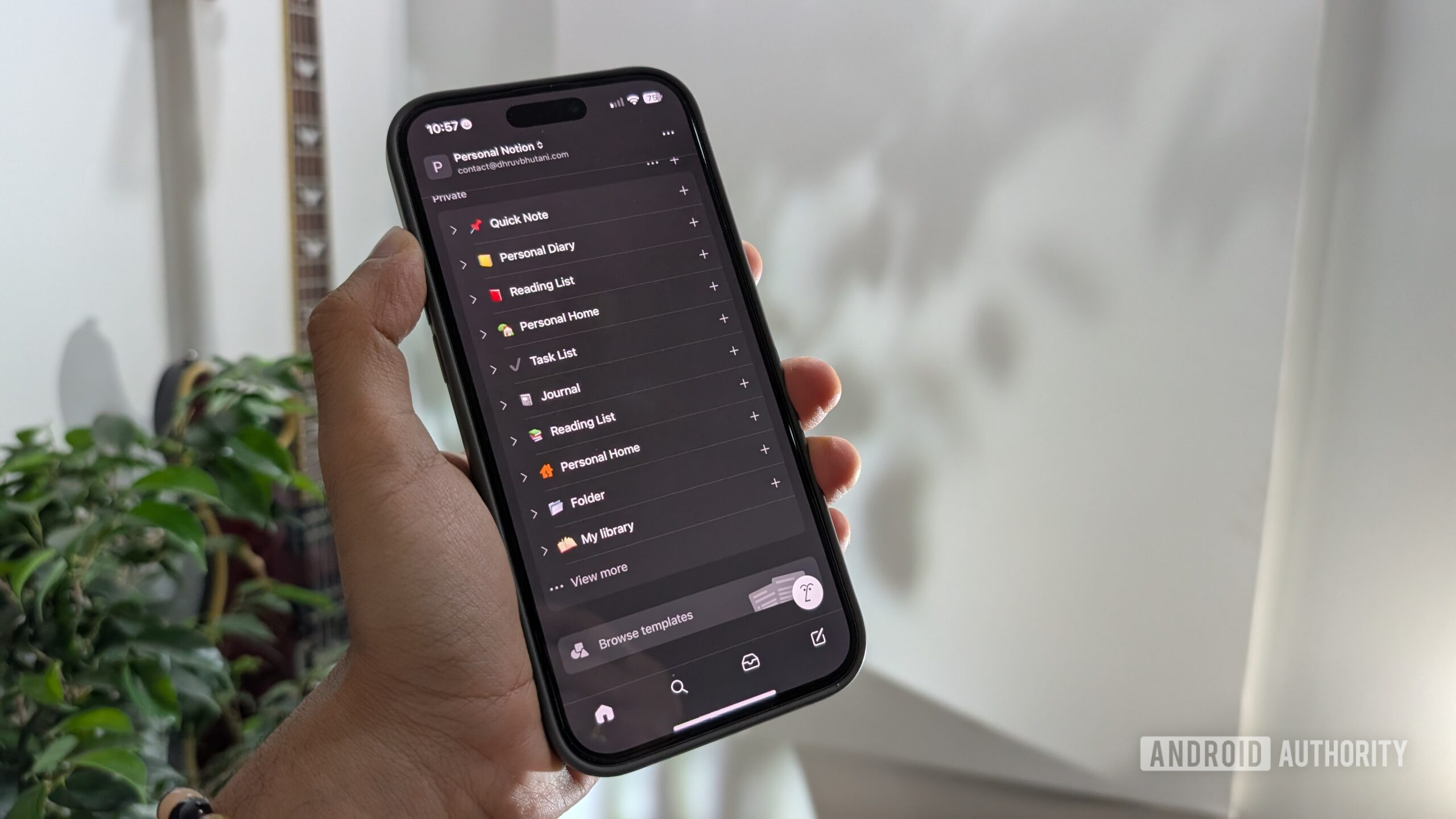
Notion Mail Is Shutting Down — Here's Everything You Need to Know
If you've been using Notion Mail as your go-to AI-powered email client, it's time to start planning your next move. Notion has officially announced that Notion Mail will shut down on September 22, 2026, marking the end of the company's ambitious experiment with artificial intelligence-driven email management. While the news may come as a surprise to loyal users, the good news is that your Gmail inbox isn't going anywhere — only the Notion layer on top of it is disappearing.
In this article, we'll break down exactly what Notion Mail was, why it's shutting down, what you need to do before the deadline, and which alternatives you might want to explore going forward.
What Was Notion Mail?
Notion Mail was an AI-powered email client developed by Notion, the popular productivity and workspace platform known for its flexible note-taking, project management, and database tools. Launched as part of Notion's broader push into artificial intelligence, Notion Mail aimed to reimagine the way people interact with their inboxes.
Rather than presenting email as a standard chronological list of messages, Notion Mail used AI to intelligently label, sort, and prioritize emails. Users could create custom inbox views, set up AI-generated labels, build snippets for quick replies, and configure smart notification preferences — all designed to reduce inbox overwhelm and boost productivity.
The product was particularly attractive to Notion power users who already had their workflows deeply embedded in the platform. The idea of having your email, notes, tasks, and databases all living in one cohesive ecosystem was genuinely compelling. Unfortunately, despite that promise, Notion has decided to pull the plug.
Why Is Notion Mail Shutting Down?
Notion has not released an extensively detailed explanation for the decision, but shutdowns like this typically reflect a combination of factors: lower-than-expected user adoption, the high cost of maintaining a standalone email product, and a strategic refocusing of resources on core product offerings. Building a competitive email client is notoriously difficult — the space is dominated by deeply entrenched players like Gmail, Outlook, and Apple Mail, and even well-funded startups have struggled to carve out lasting market share.
Notion's strength has always been in connected workspace tools — documents, databases, and collaborative project management. Email is a fundamentally different beast, and it's possible the company determined that continuing to invest in Notion Mail wasn't the best use of its engineering and product resources, especially when the core platform still has significant room to grow.
What Happens to Your Gmail Inbox?
Here's the key thing many users will want to understand immediately: your Gmail inbox is completely safe. Notion Mail worked as a layer on top of Gmail, meaning it connected to your existing Google account and displayed your emails through its own interface. It did not store your emails independently.
When Notion Mail shuts down on September 22, 2026, your Gmail account will remain fully intact. All of your emails, contacts, and Gmail data will still be accessible through Gmail directly, through Google's own apps, or through any other email client you choose to use afterward. The shutdown only affects the Notion Mail application itself — not the underlying email account it was connected to.
What You Should Do Before the Shutdown
Even though your emails are safe in Gmail, there are several Notion Mail-specific settings and configurations you'll want to export or document before the shutdown date. These include:
- Inbox views: Any custom views you've built to organize and filter your email in Notion Mail will not automatically transfer to another client. Take screenshots or notes on how you've configured these so you can recreate similar setups in a new app.
- AI labels: Notion Mail's AI labeling system may have created custom tags and categories that reflect how you like to organize your inbox. Document these labels so you can manually recreate them in Gmail's native label system or in a new email client.
- Snippets: If you've built a library of text snippets for quick replies or frequent responses, make sure to copy these into a document or your new email platform before the shutdown. These are productivity shortcuts you don't want to lose.
- Notification preferences: Review any custom notification rules you've set up and replicate them in your next email solution.
Taking the time to document your Notion Mail setup now — well before the September 22, 2026 deadline — will make your transition to a new email client significantly smoother.
Best Alternatives to Notion Mail
With Notion Mail going away, users looking for an AI-powered or productivity-focused email experience have several strong alternatives to consider.
Superhuman
Superhuman is widely regarded as one of the fastest and most polished email clients available, with AI-powered features for triage, follow-ups, and smart replies. It works on top of Gmail and Outlook, making it a natural transition for Notion Mail users. The main drawback is its premium pricing.
Shortwave
Shortwave is a Gmail-based email client that uses AI to bundle and summarize conversations, making it easier to process a high volume of emails quickly. It has a clean interface and strong inbox management features that echo what Notion Mail was trying to accomplish.
Mimestream
For Mac users, Mimestream is a native Gmail client that combines the speed of a native app with full Gmail feature support. It's fast, lightweight, and well-designed — ideal for users who want to stay close to Gmail without using the browser interface.
Gmail with Native AI Features
It's also worth noting that Gmail itself has been steadily expanding its own AI capabilities through Google's Gemini integration. Features like smart compose, email summarization, and AI-assisted replies are increasingly built directly into Gmail, making the native app a stronger option than ever before for users who prefer to keep things simple.
The Bigger Picture: The Challenges of AI Email Clients
Notion Mail's shutdown is a reminder of just how difficult it is to disrupt the email market. Despite years of attempts by well-designed and well-funded startups, Gmail and Outlook remain dominant. The challenge isn't just building a good product — it's convincing people to change habits that are deeply ingrained in their daily work routines.
AI has added a new and exciting dimension to email tools, and there's no doubt that artificial intelligence will continue to reshape how we manage our inboxes. But as Notion's experience shows, even a company with strong brand recognition and a loyal user base can struggle to compete in this space.
Final Thoughts
Notion Mail shutting down on September 22, 2026 is disappointing news for users who built their email workflows around it, but it doesn't have to be a crisis. Your Gmail data is safe, and there are excellent alternatives ready to step in. The most important thing right now is to start documenting your current Notion Mail setup — your inbox views, AI labels, snippets, and notification rules — so that when the day comes, you're prepared to move on seamlessly. The world of AI-powered email management is still very much alive, even if Notion Mail won't be part of it for much longer.