
Think Twice Before Tossing Those Old Tools
The next time you find yourself digging through your grandparents' dusty garage, resist the urge to toss anything unfamiliar into a donation box. What looks like a pile of rusty, outdated junk to the untrained eye might actually represent a small fortune waiting to be discovered. Antique and vintage hand tools have experienced a remarkable resurgence in collector interest over the past decade, with certain items fetching hundreds — or even thousands — of dollars on platforms like eBay, Etsy, and at specialized auction houses.
The vintage tool market is driven by a combination of nostalgia, craftsmanship appreciation, and the growing movement of woodworkers and tradespeople who swear that older tools simply outperform their modern counterparts. Whether you're hoping to sell or simply curious about what's been sitting on that pegboard for fifty years, here's what you should be looking for.
1. Stanley Bench Planes
If you spot a heavy, cast-iron hand plane with a wooden tote and knob, don't pass it up. Stanley bench planes — particularly those manufactured between the 1870s and the 1960s — are among the most actively traded vintage tools in the collector market. Models like the Stanley No. 1, No. 2, and the famous No. 45 combination plane can command anywhere from $100 to well over $1,000 depending on their condition and production era.
Collectors pay close attention to manufacturing details like the style of the frog, the shape of the tote, and the markings on the blade. Even planes that appear heavily worn can be restored and resold at a premium. The key identifiers are the model number, typically cast into the body of the tool, and any patent dates stamped on the blade or lever cap. If you find one with its original box and paperwork, the value can increase significantly.
Woodworking enthusiasts prize these planes not just as collectibles but as working tools, since the older cast-iron versions are widely considered more stable and better-machined than many budget-friendly modern alternatives.
2. Vintage Hand Saws by Disston
The name Disston might not ring a bell immediately, but among vintage tool collectors, it carries enormous weight. Henry Disston & Sons produced hand saws in Philadelphia from the mid-1800s well into the twentieth century, and their saws are regarded as some of the finest ever made. A well-preserved Disston D-8 or D-23 can sell for $50 to $200, while rarer medallion styles or saws in exceptional condition can bring in considerably more.
What to look for: the medallion or nut at the top of the handle, which changed in design over the decades and can help you date the saw precisely. Also examine the handle material — many older Disstons feature beautifully grained applewood or beech handles with hand-cut mortises. Even if the blade shows surface rust, a collector with restoration skills will often still be very interested.
3. Wooden Moulding Planes
Long before routers became standard shop equipment, craftsmen shaped decorative profiles into wood using a family of tools called moulding planes. These narrow, wooden-bodied planes came in dozens of profiles — rounds, hollows, ogees, and more — and were often sold in matched pairs. Today, a complete matched set in good condition can sell for $200 to $500 or more, while individual planes typically range from $20 to $75 each.
Makers to look for include Ohio Tool Company, Auburn Tool Co., and various New England craftsmen who stamped their names directly into the toe or heel of the plane. Condition is important here: check that the wedge is present, that the iron (blade) is intact, and that the body isn't cracked. These tools are genuinely useful to hand-tool woodworkers today, which keeps demand strong and prices healthy.
4. Yankee Spiral Ratchet Screwdrivers
The Yankee screwdriver, made by North Brothers and later Stanley, was the power drill of its day — a clever push-action spiral ratchet tool that drove screws faster than any conventional screwdriver. These tools were ubiquitous in professional shops and home garages from the late 1800s through the mid-twentieth century. Today, collectors and woodworking purists seek them out eagerly.
A complete Yankee No. 30 or No. 131 with its original bits stored in the hollow handle can sell for $40 to $150. Larger pump drills and full sets in their original wooden cases are rarer and can fetch noticeably more. Look for the "Yankee" name stamped on the chuck or handle, and check that the spiral mechanism still operates smoothly.
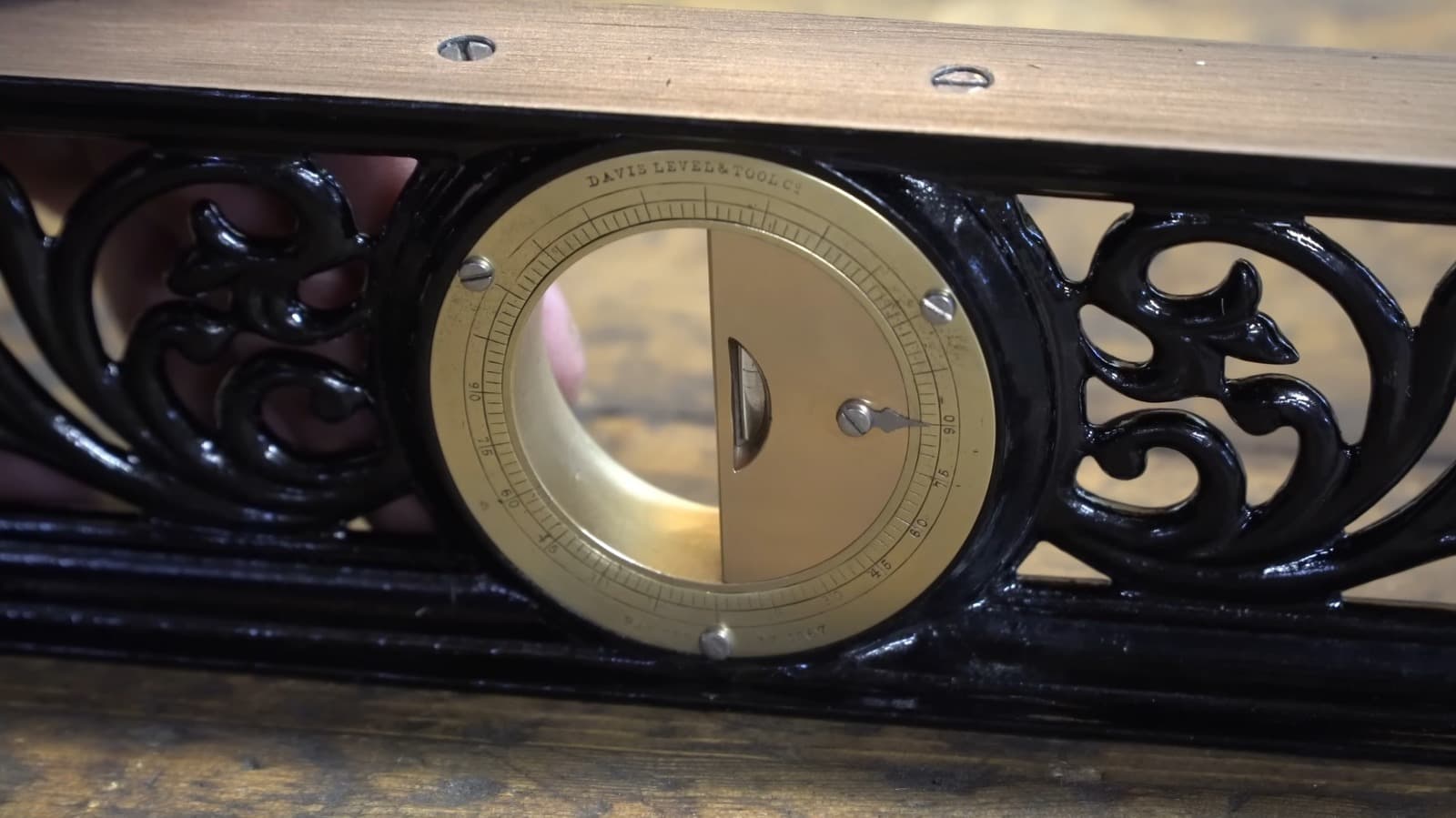
5. Antique Levels by Stratton Brothers or Davis & Cook
Old spirit levels are easy to overlook, but ornate antique levels made by respected nineteenth-century manufacturers are genuinely prized. Companies like Stratton Brothers, Davis & Cook, and the Stanley Rule & Level Company produced decorative levels in mahogany, rosewood, and brass that are as beautiful as they are historically significant. Exceptional examples have sold at auction for $300 to over $2,000.
Look for decorative brass end caps, unusual shapes like the iconic "cannon" or "inclinometer" designs, and clear maker's marks stamped into the wood or brass fittings. The condition of the vials matters — intact, original bubble vials add considerable value — but even damaged examples attract buyers interested in the decorative hardware alone.
How to Research and Sell What You Find
Once you've identified a potentially valuable tool, your first step should be research. Online communities like the Vintage Tool community on Reddit and dedicated forums such as WoodCentral are filled with knowledgeable enthusiasts who can help you identify and date your find at no cost. Completed eBay listings are also invaluable for understanding realistic current market prices rather than wishful asking prices.
When it comes to selling, avoid cleaning or aggressively restoring tools before consulting an expert — over-cleaning can dramatically reduce value. List on eBay with detailed photographs, or consider specialty auction houses that focus on antique tools. With patience and a little research, what started as a garage cleanout could turn into a genuinely rewarding discovery.
The Bottom Line
Vintage tools are one of the most overlooked categories of antiques sitting in American homes, and grandparents' garages are ground zero for some remarkable finds. From Stanley planes to Disston saws, the tools that built the last century are increasingly appreciated — both as collectibles and as functional instruments by a new generation of craftspeople. Before your next garage cleanout, take a slow walk through and look carefully. The right piece of iron and wood, properly identified and sold, might just surprise you.