
Polestar's US Future Is in Serious Jeopardy
For electric vehicle enthusiasts and eco-conscious drivers in the United States, Polestar has long represented a compelling alternative to Tesla and other mainstream EV brands. Sleek Scandinavian design, impressive performance specs, and a commitment to sustainability have helped Polestar carve out a loyal following in an increasingly competitive market. But that presence in the US could be coming to an abrupt halt. According to recent reports, Polestar may be completely locked out of selling its vehicles in the United States as soon as next year — and the situation is more complicated than it first appears.
What Is Polestar and Why Does It Matter?
Polestar is a Swedish electric vehicle manufacturer that operates as a standalone brand, having spun off from Volvo Cars and its Chinese parent company, Geely. Since launching its first model, the Polestar 1, back in 2019, the company has grown into a recognized player in the global EV market. Its flagship model, the Polestar 2, has been particularly popular in North America, earning praise for its premium interior, strong range, and Android Automotive-powered infotainment system.
The brand has positioned itself as a performance-oriented, design-forward EV maker with genuine sustainability credentials — publishing an annual sustainability report that holds itself accountable to environmental targets in a way few automakers do. For US buyers seeking an EV that isn't a Tesla, Polestar has been one of the most credible options on the market.
Why Polestar Could Be Banned from the US Market
The core issue revolves around trade policy, tariffs, and manufacturing origin rules that have become increasingly strict under recent US trade frameworks. A significant portion of Polestar's vehicles — particularly the Polestar 2 — are manufactured in China. As the United States continues to tighten restrictions on Chinese-made goods, including electric vehicles, Polestar finds itself caught in a difficult position.
The US government has dramatically raised tariffs on Chinese-made electric vehicles, with rates climbing as high as 100 percent in some categories. For a company like Polestar, whose production has historically been tied to Chinese facilities operated by its parent company Geely, these tariffs make selling vehicles in the American market financially unviable, if not outright impossible under certain regulatory frameworks.
To make matters worse, evolving legislation around EV tax credits — specifically the rules under the Inflation Reduction Act — includes strict provisions about where a vehicle's components are sourced and where final assembly takes place. Vehicles with significant ties to "foreign entities of concern," a category that includes Chinese companies, risk losing eligibility for consumer tax credits and could face outright import restrictions.
Didn't Polestar Move Production to the United States?
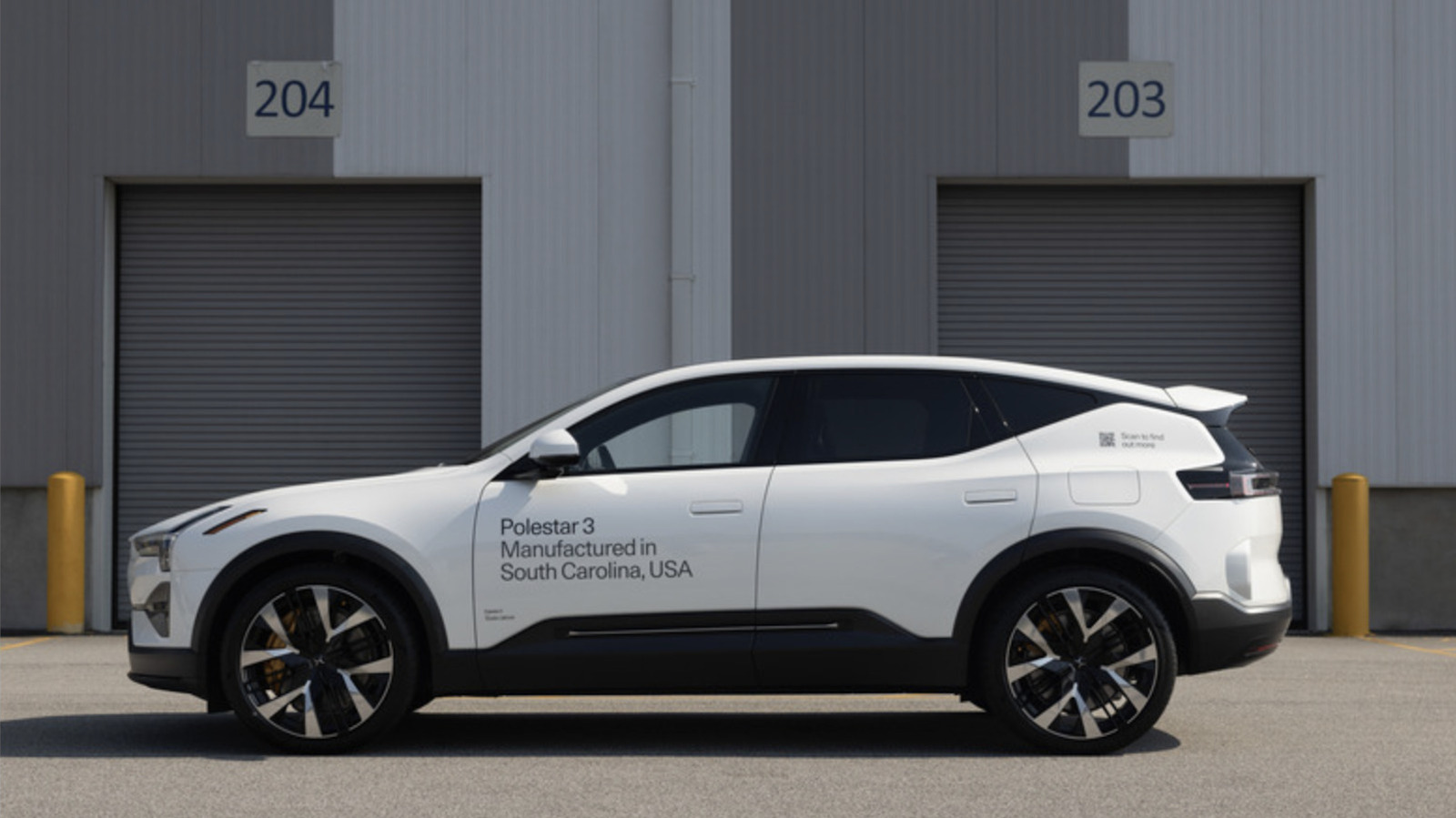
Yes — and this is where the story gets particularly frustrating. Polestar did take meaningful steps to address this problem by moving some of its production to the United States. The Polestar 3, the brand's larger SUV model, is manufactured at Volvo's facility in Charleston, South Carolina. This move was widely seen as a strategic play to qualify for US EV incentives and sidestep the growing hostility toward Chinese-made vehicles in the American regulatory environment.
However, moving one model's assembly to the US does not necessarily solve the broader problem. Questions remain about the origin of battery components, software dependencies, and the corporate structure linking Polestar to Geely — a Chinese conglomerate. Regulators and policymakers are scrutinizing not just where a car is assembled, but the full supply chain and ownership structure behind it. Even with American assembly, Polestar's deep ties to China may ultimately disqualify its vehicles from meeting the standards required to sell freely in the US market.
What This Means for Current and Prospective Polestar Owners
- Existing owners are unlikely to be immediately affected. Vehicles already purchased will continue to be supported, and warranties should remain valid through Volvo's service network.
- Prospective buyers who have been eyeing a Polestar 2 or Polestar 3 may want to act sooner rather than later if they want to avoid the uncertainty of the company's US status.
- EV tax credit eligibility for Polestar vehicles was already limited under current IRA rules, so buyers should verify what incentives, if any, are available before making a purchase decision.
- Resale values could be impacted if the brand loses its ability to operate freely in the US, as reduced availability of new inventory and service support may affect long-term ownership costs.
The Bigger Picture: Chinese EV Ties Are Becoming a Liability
Polestar is not alone in facing this challenge. Other automakers with ties to Chinese manufacturing or investment are watching the regulatory environment carefully. Brands like Volvo itself, which is majority-owned by Geely, and joint ventures between Western automakers and Chinese partners are all navigating the same minefield. The US-China trade relationship has become one of the defining business risks in the global automotive industry.
The electric vehicle race was already fiercely competitive. Adding layers of geopolitical risk and regulatory uncertainty makes it even more difficult for brands that don't have a purely domestic or allied-nation supply chain to compete in the American market.
What Happens Next for Polestar?
Polestar has not given up on the US market. The company is likely to continue lobbying for regulatory clarity, investing in its South Carolina production footprint, and exploring ways to restructure its supply chain to meet American standards. Whether those efforts will be enough — and fast enough — remains to be seen.
For now, the situation serves as a stark reminder of how quickly the landscape can shift for EV brands caught between two of the world's largest economic powers. If you've been on the fence about a Polestar, the window to make that purchase with confidence may be narrowing faster than expected.