
Rivian Faces Class Action Lawsuit Over Self-Driving Capabilities in Early Vehicles
Electric vehicle manufacturer Rivian is now at the center of a class action lawsuit that challenges the company's representations about the self-driving capabilities of its early vehicle lineup. The suit alleges that Rivian marketed or implied autonomous and semi-autonomous driving features that the vehicles were ultimately unable to deliver, leaving early adopters feeling misled and financially shortchanged. As the EV industry continues to grapple with the gap between promised technology and real-world performance, this case raises important questions for consumers, investors, and automakers alike.
What the Lawsuit Alleges Against Rivian
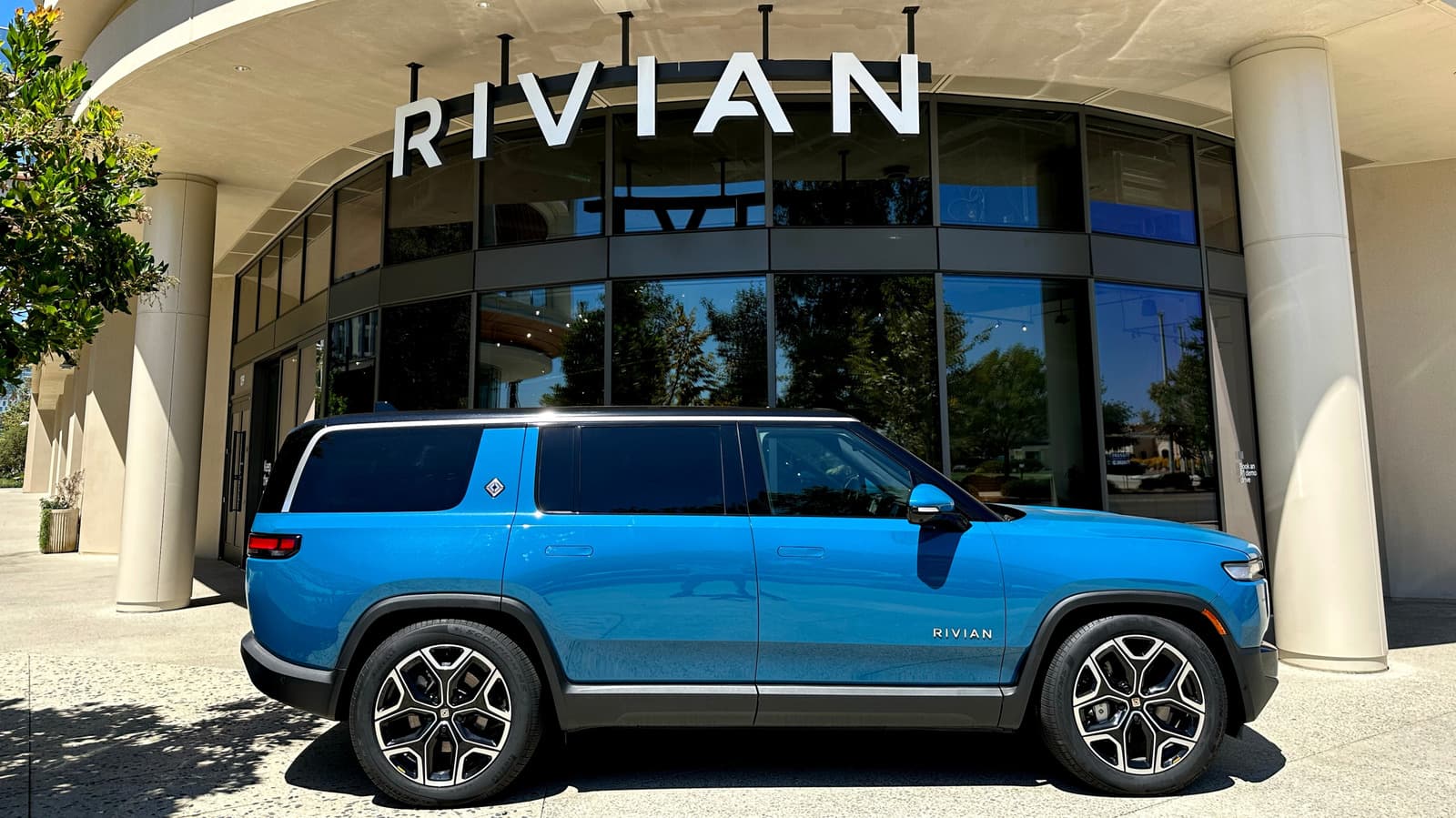
At the heart of the class action is a straightforward but serious claim: Rivian allegedly led consumers to believe that its early electric trucks and SUVs — most notably the R1T pickup and the R1S SUV — would offer advanced self-driving or driver-assistance capabilities that have not materialized as expected. Plaintiffs in the case argue that these representations, whether made through advertising, promotional materials, or public statements by company leadership, influenced their purchasing decisions and caused them financial harm.
The lawsuit is part of a broader pattern of litigation targeting automakers and technology companies over autonomous driving promises. Tesla has faced similar scrutiny over its "Full Self-Driving" branding for years, with regulators and courts questioning whether the label accurately reflects what the software can actually do. Rivian now finds itself in comparable legal territory, with early customers demanding accountability for what they describe as undelivered promises.
Rivian's Driver-Assistance Technology: What Was Promised vs. What Was Delivered
Rivian vehicles come equipped with a suite of driver-assistance features, and the company has discussed its ambitions for more advanced autonomous capabilities since its early days. However, the rollout of these features has been gradual and, according to the plaintiffs, far slower and less capable than what was implied at the time of purchase.
Early Rivian vehicles were delivered with hardware that the company suggested would support future over-the-air software updates enabling more sophisticated self-driving functions. This "hardware-ready, software-coming-later" approach is common in the EV space — Tesla pioneered it — but it has also become a legal flashpoint when the promised software updates are delayed, scaled back, or never fully arrive.
Buyers who paid a premium for Rivian vehicles based in part on anticipated autonomous features are now arguing that they effectively paid for technology they never received. The lawsuit seeks damages and potentially broader remedies for affected vehicle owners.
Why This Case Matters for the EV Industry
The Rivian class action is more than just one company's legal headache — it reflects a systemic issue within the electric vehicle and autonomous driving sectors. Automakers have long used the promise of future technological capability as a marketing tool, and regulatory frameworks have struggled to keep pace with these claims.
- Consumer protection concerns: When buyers make high-value purchases based on anticipated features, they have a legitimate expectation that those features will arrive within a reasonable timeframe and perform as described. Lawsuits like this one signal that consumers are increasingly willing to hold companies legally accountable when that expectation isn't met.
- Regulatory scrutiny: The National Highway Traffic Safety Administration (NHTSA) and the Federal Trade Commission (FTC) have both shown increasing interest in how automakers market driver-assistance systems. Cases like this one could accelerate regulatory action and push for clearer, more standardized labeling of self-driving features across the industry.
- Investor confidence: Rivian has already faced significant financial pressure since its IPO. Legal challenges of this nature can further weigh on the company's stock performance and its ability to raise capital for future development.
- Setting industry precedents: A ruling or settlement in this case could set important legal precedents for how automakers communicate about advanced driver-assistance systems (ADAS) and autonomous driving capabilities going forward.
Rivian's Response and What Comes Next
As of the latest reporting, Rivian has not issued a detailed public statement fully addressing the specific allegations in the lawsuit. The company has generally maintained that it is committed to delivering on its technology roadmap and that over-the-air updates will continue to improve vehicle capabilities over time. However, in the context of a class action, such general assurances are unlikely to satisfy plaintiffs seeking concrete legal remedies.
The case will likely move through several stages — discovery, potential motions to dismiss, and possibly a trial or settlement — over the coming months or years. Legal analysts will be watching closely to see how courts interpret the marketing language used by Rivian and whether it rises to the level of actionable misrepresentation under consumer protection law.
What EV Buyers Should Know Before Purchasing
The Rivian lawsuit serves as a timely reminder for anyone considering an electric vehicle purchase, particularly one marketed with advanced or future-ready autonomous features. Here are a few key takeaways for prospective buyers.
- Read the fine print: Understand exactly which driver-assistance features are active at the time of purchase versus which are described as coming in future software updates.
- Ask specific questions: Request written documentation from dealerships or manufacturers about expected feature timelines and performance benchmarks.
- Stay informed about updates: Monitor official channels for software release notes to track whether promised features are actually being delivered.
- Know your rights: Consumer protection laws vary by state, but buyers generally have legal recourse if they can demonstrate that they were materially misled during the purchasing process.
The Bigger Picture: Autonomous Driving Promises Under the Microscope
The autonomous vehicle revolution has been perpetually "just around the corner" for over a decade. While genuine technological progress has been made, the gap between ambitious marketing and real-world capability remains wide — and consumers are starting to push back in a meaningful way. Rivian's class action lawsuit is one of the most visible recent examples of this pushback, and it almost certainly won't be the last.
For Rivian, a company that has worked hard to build a loyal customer base and a distinctive brand identity around adventure and innovation, this lawsuit represents a reputational as well as a financial challenge. How the company responds — both legally and in terms of actually delivering on its technology promises — will go a long way toward determining its long-term standing in an increasingly competitive EV market.
As this case develops, it will be essential for consumers, industry watchers, and policymakers to follow the proceedings closely. The outcome could reshape how the entire automotive industry talks about, markets, and ultimately delivers the self-driving future it has been promising for years.