
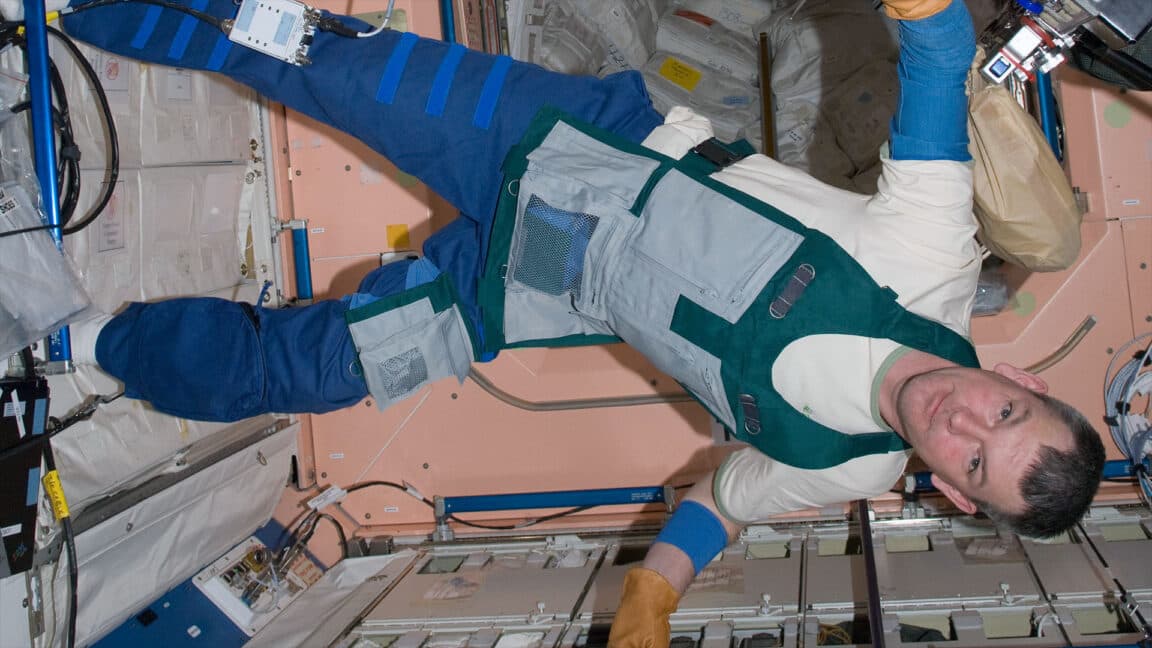
Russian Cosmonaut Aleksandr Samokutyaev, First Long-Duration ISS Resident, Dies at 56
The global space community is mourning the loss of Russian cosmonaut Aleksandr Mikhailovich Samokutyaev, who passed away at the age of 56. His death marks a somber milestone in the history of human spaceflight: he is the first former long-duration resident of the International Space Station (ISS) to die since the orbital laboratory began welcoming crew members over 26 years ago. The cause of his death has not been publicly disclosed. Russia's space agency, Roscosmos, confirmed the news and expressed its deepest condolences to his family and loved ones.
Who Was Aleksandr Samokutyaev?
Aleksandr Samokutyaev was a distinguished Russian cosmonaut who dedicated much of his professional life to human spaceflight and the advancement of the Russian space program. Born in 1970, Samokutyaev trained as a military pilot before being selected as a cosmonaut candidate. His dedication, technical expertise, and commitment to space exploration earned him the opportunity to travel to the ISS not once, but twice — a distinction that placed him among an elite group of space travelers in history.
Samokutyaev was known not only for his technical proficiency but also for his role in representing Russian cosmonautics at a time when the ISS stood as a symbol of international cooperation in space. His contributions helped sustain the continuous human presence aboard the station that began in November 2000 and continues to this day.
Two Missions to the International Space Station
Samokutyaev's spaceflight career was defined by two significant long-duration missions to the International Space Station. Long-duration missions, which typically span approximately six months, require astronauts and cosmonauts to endure the physical and psychological demands of microgravity while conducting scientific research and maintaining the station's complex systems.
First Mission: Expedition 27/28 (2011)
Samokutyaev's first journey to the ISS came in 2011 as part of Expeditions 27 and 28. This mission was especially notable because it coincided with the final flight of NASA's Space Shuttle program. The Space Shuttle Atlantis launched on STS-135 in July 2011, marking the end of an era for American human spaceflight. Samokutyaev's presence during this historic transition underscored the growing importance of the Soyuz spacecraft as the primary means of crew transport to and from the ISS in the post-shuttle era.
During this mission, Samokutyaev contributed to a wide range of scientific experiments and station operations. His work, like that of every expedition crew member, was essential to the health and productivity of the space station as a research platform.
Second Mission: Expedition 44/45 (2015)
Samokutyaev returned to the ISS in 2015 as part of Expeditions 44 and 45, demonstrating his ongoing commitment to the Russian space program and international spaceflight. His second mission further cemented his legacy as an experienced and reliable cosmonaut who could be trusted with the responsibilities that come with long-duration spaceflight. The body of scientific and operational work completed across both missions represents a meaningful contribution to humanity's understanding of life and science in orbit.
A Historic and Somber Milestone
The ISS has served as a continuous home to human beings since November 2, 2000. In that time, 155 individuals from numerous countries have lived and worked aboard the station as expedition crew members — cosmonauts, astronauts, and space travelers representing a remarkable era of international cooperation in space exploration. Despite the physical toll that spaceflight places on the human body, and despite the passage of more than two and a half decades, no former long-duration ISS resident had died until now.
Samokutyaev's death at the relatively young age of 56 makes him the first member of that distinguished group to pass away, a fact that has resonated deeply within the global space community. While the cause of his death has not been made public, the news has prompted an outpouring of tributes and reflections on the legacy of the ISS and the people who have called it home.
Roscosmos Pays Tribute
Russia's state space corporation, Roscosmos, was among the first to formally acknowledge the loss. In an official statement, Roscosmos wrote: "The leadership and staff of the Roscosmos State Corporation extend their sincere condolences to the family and loved ones of Aleksandr Mikhailovich." The statement reflected the deep respect that the Russian space program holds for Samokutyaev and his contributions to human spaceflight over the course of his career.
The Legacy of a Cosmonaut
Aleksandr Samokutyaev's legacy is one that spans both the technical and human dimensions of space exploration. As a two-time ISS crew member, he was part of the backbone of a program that has advanced scientific knowledge, tested the limits of human endurance, and demonstrated what nations can achieve when they work together beyond the boundaries of Earth.
His career also bridged a pivotal era in spaceflight history — from the final days of the American Space Shuttle to the broader international partnerships that continue to shape the future of low Earth orbit exploration. The experiences he accumulated, the research he supported, and the sacrifices he made as a cosmonaut will remain a part of the ISS story for generations to come.
Remembering Those Who Reach for the Stars
The death of Aleksandr Samokutyaev is a reminder of the very human cost and courage behind every space mission. The men and women who live and work aboard the ISS do so in one of the most challenging environments ever encountered by human beings. They endure months of isolation, physical hardship, and distance from their families — all in the name of discovery and progress.
As the space community reflects on his passing, Samokutyaev's two missions stand as a testament to his dedication. He joins the broader history of human spaceflight as a pioneer who helped make the International Space Station the remarkable achievement it is today. He was 56 years old.