
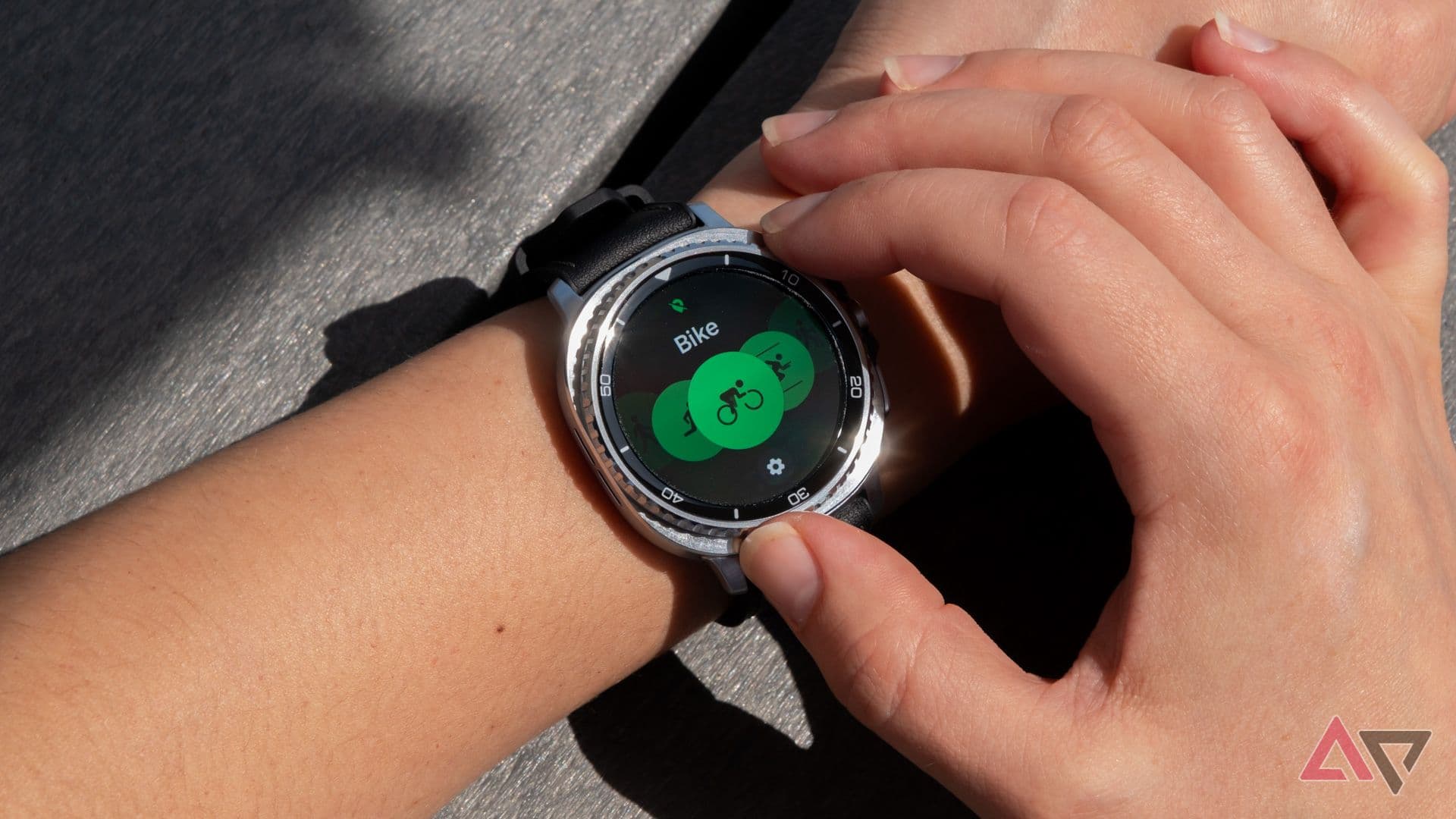
Samsung's Wearable Division Kicks Off 2026 with a Staggering 28% Drop in Shipments
Samsung, one of the world's most recognizable names in consumer electronics, has started 2026 on a notably rough note in the wearables category. According to recent reports, the South Korean tech giant's wearable division has recorded a staggering 28% drop in shipments compared to the same period last year. The decline is raising eyebrows across the industry, especially as Samsung gears up for what promises to be one of its most ambitious Unpacked events in recent memory.
So what's behind this dramatic slump, and does it spell long-term trouble for Samsung's position in the global wearables market? Let's take a deeper look at the numbers, the context, and what might come next.
Understanding the Scale of the Decline
A 28% drop in shipments is not a minor fluctuation — it is a significant contraction that signals something deeper at play. While wearable technology as a whole has faced headwinds in recent quarters due to market saturation and shifting consumer priorities, Samsung's decline appears to outpace broader industry trends. Competitors like Apple and emerging Chinese brands have continued to hold relatively steady or even grow their presence, making Samsung's numbers stand out even more.
The drop affects a wide range of products under Samsung's wearables umbrella, which includes smartwatches like the Galaxy Watch series, fitness trackers, and the company's Galaxy Buds lineup of true wireless earbuds. When shipments across such a broad portfolio decline simultaneously, it points to systemic challenges rather than a single product failure.
What's Driving the Shipment Slump?
Several factors appear to be converging to drag Samsung's wearable numbers downward at the start of 2026.
1. Market Saturation and Upgrade Fatigue
The wearables market has matured rapidly over the past five years. Consumers who bought their first smartwatch or pair of wireless earbuds in 2021 or 2022 are not yet ready to upgrade, particularly when newer models offer only incremental improvements. Samsung's Galaxy Watch 7 and Galaxy Buds 3 series, while competent products, did not deliver the kind of headline-grabbing features that compel mass upgrades. This upgrade fatigue is hitting Samsung harder than some rivals, largely because its existing user base is enormous.
2. Intensifying Competition
Samsung is facing fiercer competition than ever before. Apple continues to dominate the premium smartwatch segment, while brands like Garmin hold firm on fitness-focused consumers. Meanwhile, budget-friendly Chinese manufacturers such as Xiaomi, Huawei, and Amazfit have been aggressively expanding their global presence, undercutting Samsung on price without sacrificing too much on features. For cost-conscious buyers in emerging markets — a segment Samsung has traditionally relied upon — these alternatives are increasingly attractive.
3. Economic Pressures on Consumer Spending
Global economic conditions remain uncertain as 2026 begins. Inflation, higher interest rates in key markets, and cautious consumer sentiment have led people to prioritize essential purchases over discretionary gadgets. Wearables, by nature, fall into the "nice to have" category for most people, making them among the first items cut from personal budgets when finances tighten.
4. Anticipation of New Releases
There is also a more optimistic explanation worth considering: consumers may simply be holding off. With Samsung's next major Unpacked event now just over a month away, savvy shoppers know that new Galaxy Watch and Galaxy Buds models are almost certainly on the horizon. This "wait and see" behavior commonly suppresses shipments in the weeks leading up to a major product announcement, creating a temporary but measurable dip in numbers.
Samsung Unpacked 2026: A Turning Point?
Samsung's upcoming Unpacked event is expected to be one of the most product-dense announcements in the company's recent history. While the spotlight will inevitably fall on new foldable smartphones — with the Galaxy Z Fold 8 already generating significant buzz in leaked renders and specifications — the wearables lineup is expected to play an important supporting role.
Rumors point to a Galaxy Watch 8 series that could introduce more meaningful health monitoring upgrades, potentially including advanced blood glucose tracking capabilities that have been a holy grail for the smartwatch industry. If Samsung can deliver this feature with real accuracy and regulatory approval, it could reignite consumer interest in a way that no spec bump has managed to do in years.
Similarly, the anticipated Galaxy Buds 4 series is expected to push the boundaries of adaptive audio technology and spatial sound, targeting audiophiles and commuters alike. A compelling product story at Unpacked could quickly reverse the shipment narrative heading into the second half of 2026.
What This Means for Samsung's Long-Term Wearables Strategy
The 28% shipment decline is a clear signal that Samsung cannot afford to coast on its brand recognition alone in the wearables space. The company must demonstrate genuine innovation, not just yearly refinements, to justify premium price points and motivate consumers to replace devices that still function perfectly well.
Investing in health technology partnerships, strengthening the integration between its wearables and the broader Galaxy ecosystem, and finding new price-to-value propositions for budget-conscious markets will all be essential moves in the months ahead.
- Deeper health monitoring features that set Galaxy Watch apart from the competition
- Tighter ecosystem integration with Galaxy phones, tablets, and PCs
- Competitive pricing strategies for emerging markets to recapture lost ground
- Stronger software support and faster updates to extend the lifespan of existing devices
The Bottom Line
Samsung's 28% wearable shipment drop at the start of 2026 is a sobering reminder that even the biggest players in tech are not immune to market pressures, shifting consumer behavior, and relentless competition. However, it would be premature to count Samsung out. With a major Unpacked event on the horizon and a full pipeline of new wearable products expected to launch this year, Samsung has both the resources and the platform to stage a meaningful comeback. Whether or not it seizes that opportunity will define its wearables trajectory for the years to come.