
The Cold War's Most Ironic Spy Plane Story
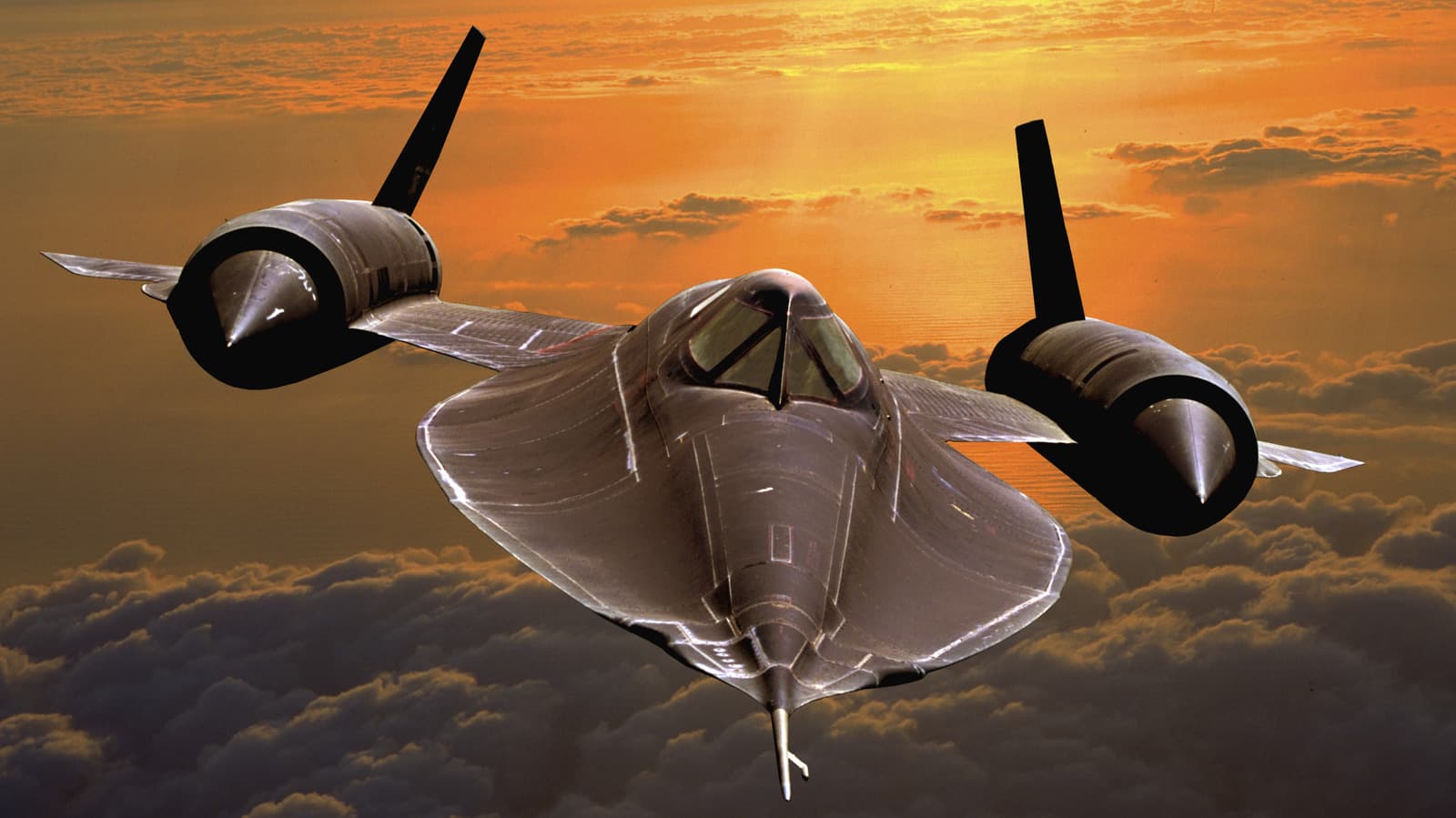
Long before artificial intelligence, drone swarms, and constellations of surveillance satellites redefined modern intelligence gathering, the United States needed a different kind of edge. It needed something that could pierce the iron curtain at breathtaking speed, soar far above the reach of enemy missiles, and return home with photographic evidence of what adversaries were hiding. What it got was the SR-71 Blackbird — arguably the most extraordinary aircraft ever built. But the story of how it came to exist is every bit as remarkable as the plane itself, wrapped in Cold War intrigue, corporate deception, and a jaw-dropping irony that still astonishes historians today.
The Race to See What the Soviets Were Hiding
By the late 1950s, American intelligence agencies were deeply anxious. The Soviet Union had shot down a CIA U-2 spy plane in 1960, capturing pilot Francis Gary Powers and triggering a global diplomatic crisis. The incident made one thing crystal clear: flying relatively slow, high-altitude aircraft over Soviet territory was no longer a viable long-term strategy. The CIA and the U.S. Air Force began urgently demanding something faster — much faster — and far more difficult to intercept.
The answer came from Lockheed's legendary Skunk Works division, a secretive advanced development program based in Burbank, California. Under the visionary leadership of aeronautical engineer Kelly Johnson, the team began conceptualizing an aircraft that would be virtually untouchable. The eventual design would cruise at speeds exceeding Mach 3 — more than three times the speed of sound — and operate at altitudes above 85,000 feet. At those parameters, no Soviet interceptor jet or surface-to-air missile of the era could reliably reach it.
The Titanium Problem — and the Soviet Solution
Building an aircraft capable of flying at Mach 3 presented a staggering engineering challenge. At those speeds, air friction heats the fuselage to temperatures that would destroy conventional aluminum airframes. The solution was titanium — a metal that is both incredibly strong and highly heat-resistant. In fact, engineers determined that roughly 93 percent of the SR-71's structure would need to be made from titanium alloy.
There was just one problem. The United States did not possess nearly enough domestically sourced titanium to build such an aircraft. The world's largest known reserves of the material at the time were located in — of all places — the Soviet Union.
This is where the story crosses from engineering marvel into espionage legend. Rather than abandon the project or seek inferior materials, the CIA devised an audacious workaround. It secretly established a network of front companies and shell corporations with deliberately obscure names and fictitious business identities. These dummy firms then approached Soviet trade agencies and purchased titanium ore and refined titanium alloys — all without the Soviets ever suspecting where their product was ultimately going or what it would be used to build.
Ghost Companies and a Government Deception
The covert procurement operation was as carefully orchestrated as any field intelligence mission. CIA operatives and cooperating businesspeople created commercial entities that appeared, on paper, to be legitimate industrial buyers with no apparent ties to the American defense establishment. Orders were placed through neutral intermediaries, payments were routed through complex financial channels, and the paper trail was deliberately muddied at every step.
The Soviet government, eager for hard currency and seeing only routine commercial transactions, filled the orders without hesitation. Shipments of titanium made their way across borders and eventually into the hands of Lockheed's Skunk Works engineers in California. The material was then machined, shaped, and assembled into the very aircraft designed to spy on the nation that had unknowingly supplied it.
The irony is almost too rich to believe: the Soviet Union effectively helped build the most advanced American reconnaissance platform ever conceived — a plane whose entire purpose was to peer behind the iron curtain and expose Soviet military secrets.
Engineering Challenges That Pushed Human Limits
Even with the titanium supply secured, building the SR-71 demanded solutions to problems that had never been encountered before. Titanium, it turned out, was notoriously difficult to machine and weld with existing tools and techniques. Early production runs produced parts that were structurally compromised because standard cutting fluids contained chlorine, which caused microscopic cracking in titanium at the molecular level. Engineers had to completely rethink their manufacturing processes from scratch.
The aircraft also had to be designed to physically expand when hot. At cruising speed, the SR-71's skin temperature could reach over 300 degrees Celsius, causing the airframe to grow several inches in length. This meant the plane actually leaked fuel on the ground — the panels only sealed properly once thermal expansion kicked in at altitude and speed. It was a feature, not a flaw, but it required extraordinary precision in design thinking.
A Legacy Written in Titanium and Secrecy
The SR-71 Blackbird first flew in December 1964 and entered operational service with the U.S. Air Force in 1966. Over its service life, it flew thousands of missions, was never once shot down, and set speed and altitude records that remain unbroken by any air-breathing aircraft to this day. It was officially retired in 1998, though brief reactivations occurred in the intervening years.
- The SR-71 holds the record for the fastest air-breathing manned aircraft ever flown, reaching speeds of Mach 3.3 or approximately 2,200 miles per hour.
- It could cross the continental United States in under 68 minutes.
- No SR-71 was ever destroyed by enemy action during its operational career.
- The aircraft's design principles continue to influence stealth and high-performance aerospace engineering decades later.
What makes the SR-71's origin story so enduring is not just the plane's astonishing technical achievement — it is the human ingenuity, risk-taking, and sheer audacity behind its creation. A group of engineers, spies, and bureaucrats facing an impossible problem found a solution so clever it bordered on absurd. They went to the enemy and asked for help, and the enemy said yes without ever knowing it.
Why the SR-71 Story Still Matters
The tale of the SR-71 Blackbird is more than a Cold War footnote. It stands as a testament to what determined, creative people can accomplish when the stakes are high enough. It also serves as a reminder that in the world of intelligence and national security, the most consequential victories are often the ones the other side never sees coming — or in this case, the ones they actively participated in without realizing it. The Blackbird soared on Soviet metal, and the Soviets never knew a thing.