
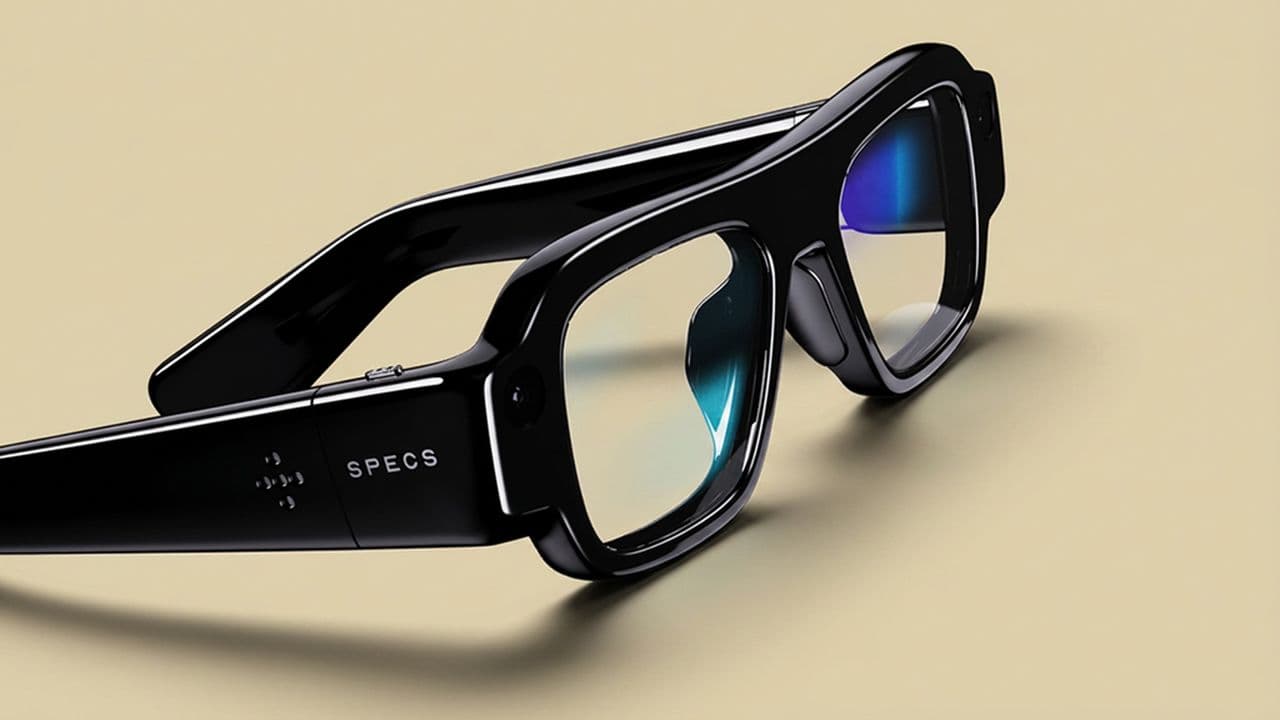
Snap and Apple Vision Pro: A Turning Point for Spatial Computing
When Apple launched the Vision Pro in early 2024, the tech world held its breath. Here was a device that promised to redefine how we interact with digital content — a spatial computer that could blend the real and virtual worlds in ways we had only imagined. The hardware was breathtaking. The price was steep. And the app ecosystem? That was a different story. Many of the world's most popular applications were conspicuously absent from visionOS, and Snapchat was one of the most notable holdouts. Now, that's quietly changing — and it signals something much bigger about the road ahead for mixed reality.
The App Gap That Held Apple Vision Pro Back
From day one, Apple Vision Pro faced a challenge that no amount of stunning hardware could solve on its own: a thin library of native visionOS applications. While Apple demonstrated impressive first-party software experiences, third-party developers were slow to commit. Building for visionOS required significant investment, and with a relatively small initial user base, the return on that investment was uncertain at best.
Snapchat's absence was particularly glaring. With hundreds of millions of daily active users worldwide, Snap represents exactly the kind of high-engagement, socially connected application that a new platform needs to feel relevant. Without it, Vision Pro users were left using a compatibility layer — running the iPad version of Snapchat in a floating window — which offered none of the immersive, spatial qualities that make visionOS compelling. It worked, but it felt like a workaround rather than a destination.
This kind of compromise frustrated early adopters and gave critics ample ammunition. A $3,499 device that couldn't run the apps people actually wanted to use daily was always going to struggle to justify itself to mainstream consumers. The app gap wasn't just inconvenient — it was a genuine obstacle to adoption.
What Snap Actually Changed
Snap's move toward proper visionOS support addresses the core frustration head-on. Rather than continuing to rely on a ported iPad experience, Snap began working toward an experience that acknowledges the unique nature of Apple Vision Pro as a platform. This means interfaces designed for eye tracking and hand gestures, layouts that make sense in a three-dimensional environment, and social features that can take advantage of the spatial context Vision Pro provides.
The significance of this shift goes beyond Snapchat itself. When a company with Snap's scale and social media influence invests meaningfully in a platform, it sends a clear signal to the broader developer community. It says the platform is worth building for — that there is a viable audience, a compelling use case, and a future worth betting on.
Why Developer Buy-In Is the Real Story
The history of computing platforms teaches us that hardware alone never wins the market. What wins is an ecosystem. The iPhone succeeded not just because of its hardware design or iOS, but because developers flooded the App Store with applications that made the device indispensable. The same dynamic applies to spatial computing.
Apple has been working hard to lower the barrier to entry for visionOS development, and early signs suggest that effort is paying off. Tools like RealityKit and the visionOS SDK have matured. SwiftUI support for spatial contexts has improved. And as the Vision Pro user base — however niche it remains today — demonstrates genuine engagement with quality apps, developers are finding it harder to ignore.
Snap's move is part of a broader pattern. When individual high-profile apps make the leap to native visionOS support, they don't just add utility to the device. They validate the platform and encourage others to follow. It's a momentum play, and momentum in technology ecosystems is enormously powerful.
What This Means for the Future of Apple Vision Pro
Looking ahead, the trajectory for Apple Vision Pro looks more promising than the skeptics might expect. A second-generation device — potentially at a lower price point — is widely anticipated, and if it arrives alongside a meaningfully richer app ecosystem, the value proposition changes dramatically. The original Vision Pro was, in many ways, a developer and early adopter product. What's being built now, through commitments like Snap's, is the foundation for something more mainstream.
Spatial computing is not going away. The questions are only about timing, price, and ecosystem depth. As those variables improve, the category will grow — and the apps that established their presence early will enjoy significant advantages.
Social Media and Spatial Computing: A Natural Fit
It's worth noting why social apps like Snapchat make particular sense on a device like Vision Pro. Snap has always been about augmented reality — from its pioneering Lens filters to its ongoing investment in AR glasses and spatial tools. Vision Pro's blend of digital and physical space is, in many ways, the natural home for exactly the kind of augmented social experience Snap has been building toward for years.
Imagine Snaps that exist in your physical space, AR Lenses that interact with your real environment at full fidelity, or social presence features that take on new meaning when you're wearing a device that tracks your eyes and maps your surroundings. The intersection of Snap's AR ambitions and Apple's spatial computing platform is genuinely exciting territory.
The Bottom Line
Snap's quiet but meaningful move toward proper Apple Vision Pro support is more than a product update — it's a vote of confidence in spatial computing as a platform worth building for. For anyone who has been watching Vision Pro's ecosystem grow slowly and wondering when the tipping point would come, this is an encouraging sign. The biggest problem with Apple Vision Pro was never the hardware. It was the apps. And that problem, piece by piece, is getting solved.