
The Underseen Sci-Fi Masterpiece You Probably Skipped in 2009
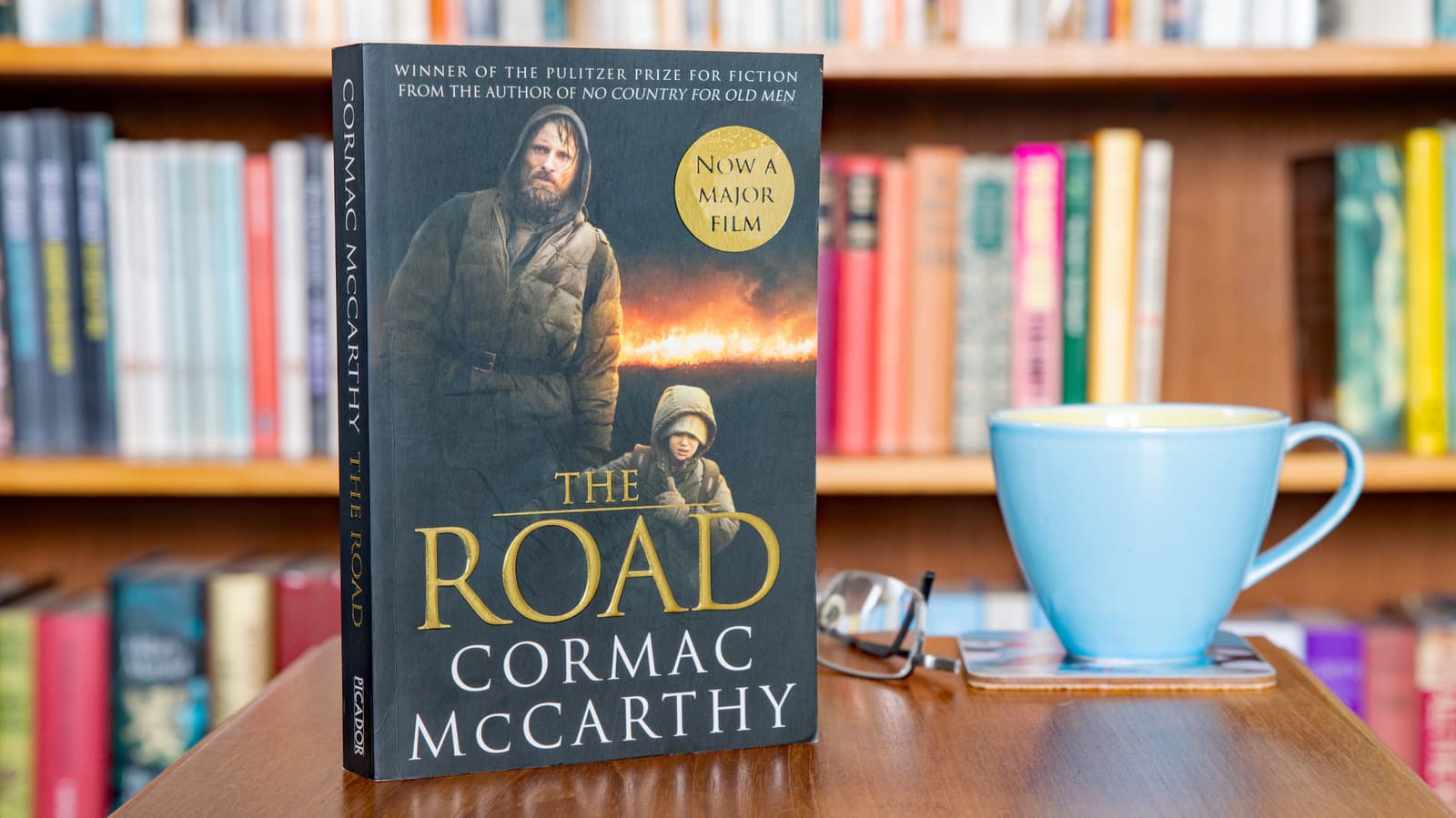
In a decade crowded with blockbuster franchises and CGI spectacles, one of the most quietly devastating science fiction films of the 2000s slipped through the cracks almost entirely. The Road, the 2009 post-apocalyptic drama directed by John Hillcoat, arrived in theaters with Pulitzer Prize pedigree, a critically acclaimed cast led by Viggo Mortensen and Charlize Theron, and source material from one of America's most celebrated novelists. And yet, audiences largely stayed away. If you've never seen it — or have simply never heard of it — now is absolutely the time to change that.
What Is The Road (2009) About?
Based on Cormac McCarthy's 2006 Pulitzer Prize-winning novel of the same name, The Road follows a father (Viggo Mortensen) and his young son (Kodi Smit-McPhee) as they struggle to survive in a bleak, ash-covered America after an unnamed catastrophic event has wiped out nearly all life on the planet. The world they inhabit is gray, cold, and merciless. Crops no longer grow. Animals are extinct. Roaming bands of cannibals prey on the few survivors who remain.
The father's singular mission is to protect his son and guide him south toward the coast, clinging to the hope that something better exists there. Along the way, they encounter scattered remnants of humanity — some still holding onto goodness, many having abandoned it entirely. Charlize Theron appears in haunting flashback sequences as the boy's mother, whose fate adds an unbearable emotional weight to the father's relentless forward march.
At its core, The Road is not really a movie about the end of the world. It's a movie about parenthood, love, and the desperate human need to believe that goodness is worth preserving even when everything around you says otherwise.
Viggo Mortensen's Most Underrated Performance
Most moviegoers know Viggo Mortensen from his iconic role as Aragorn in Peter Jackson's The Lord of the Rings trilogy. But his work in The Road may actually represent his finest hour as an actor. To play the unnamed father, Mortensen lost significant weight, giving the character a gaunt, almost spectral quality that perfectly matches the desolation of the world around him. His performance is raw, stripped of all vanity, and emotionally consuming.
Mortensen was nominated for a BAFTA Award for Best Actor for the role, and critics widely praised his commitment to the part. The physical and emotional demands he placed on himself for this film were extraordinary, yet the performance never feels like a stunt. Every moment of exhaustion, terror, and fierce love feels completely real.
Charlize Theron's Brief But Pivotal Role
While Charlize Theron's screen time in The Road is limited compared to Mortensen's, her presence is essential to the film's emotional architecture. Her character — the boy's mother — appears primarily in fragmented flashbacks that reveal how she chose to face the end of the world versus how her husband did. Her scenes are quiet but haunting, and they reframe the entire narrative in a way that makes the father's journey even more heartbreaking to witness.
Theron, who had already won an Academy Award for her transformative work in Monster, brought tremendous depth to what could have been a minor supporting role. Her performance lingers long after the credits roll.
Why Did The Road Fail at the Box Office?
Despite its credentials, The Road earned only around $27 million worldwide against a production budget estimated between $25 and $30 million — a result that barely constituted a break-even before marketing costs were factored in. So what went wrong?
- Tone and marketability: The film is relentlessly bleak. There are no heroes with superpowers, no redemptive action sequences, and no comfortable happy ending. Marketing such a film to mainstream audiences was always going to be a challenge.
- Release timing: The film was originally slated for a 2008 awards-season release but was delayed to November 2009, disrupting its awards momentum and confusing potential audiences.
- Competition: November 2009 was a brutally competitive month at the multiplex, with major studio releases crowding the calendar and leaving little room for a slow-burn art-house drama.
- Audience fatigue: Post-apocalyptic stories were becoming increasingly common in popular culture at the time, and audiences may have conflated The Road with lighter, more action-oriented entries in the genre.
The Legacy of Cormac McCarthy's Novel
It's worth stepping back to appreciate just how significant the source material is. Cormac McCarthy's novel The Road won the Pulitzer Prize for Fiction in 2007 and was selected as an Oprah's Book Club pick, catapulting it to mainstream bestseller status in a way that McCarthy's earlier work — including Blood Meridian and the Border Trilogy — had never achieved. The novel is widely taught in high school and university literature courses and is considered one of the defining American novels of the 21st century.
Adapting such a deeply interior, prose-driven work to film was always going to be a monumental challenge. McCarthy's novel relies heavily on the father's internal voice and the philosophical weight of his narration. Director John Hillcoat, working from a screenplay by Joe Penhall, made the bold choice to preserve as much of the book's spare, unsparing atmosphere as possible — a decision that earned critical admiration but likely contributed to the film's struggles with general audiences.
Why The Road Deserves to Be Rediscovered
Nearly a decade and a half after its release, The Road stands as one of the most emotionally honest science fiction films ever made. It asks harder questions than almost any other entry in the post-apocalyptic genre: not "how do we survive?" but "why do we bother?" And it answers those questions not with triumph or spectacle, but with something far more quietly profound — a father's hand holding his son's in the dark.
If you're a fan of serious, character-driven science fiction — or if you've ever appreciated the work of Viggo Mortensen, Charlize Theron, or Cormac McCarthy — The Road is essential viewing. It is difficult, yes. It is unsparing. But it is also deeply, unforgettably human. In a streaming landscape overflowing with content, few films demand your full emotional attention quite like this one does. Give it the chance it never quite got in theaters, and it will reward you in ways that are hard to shake.