
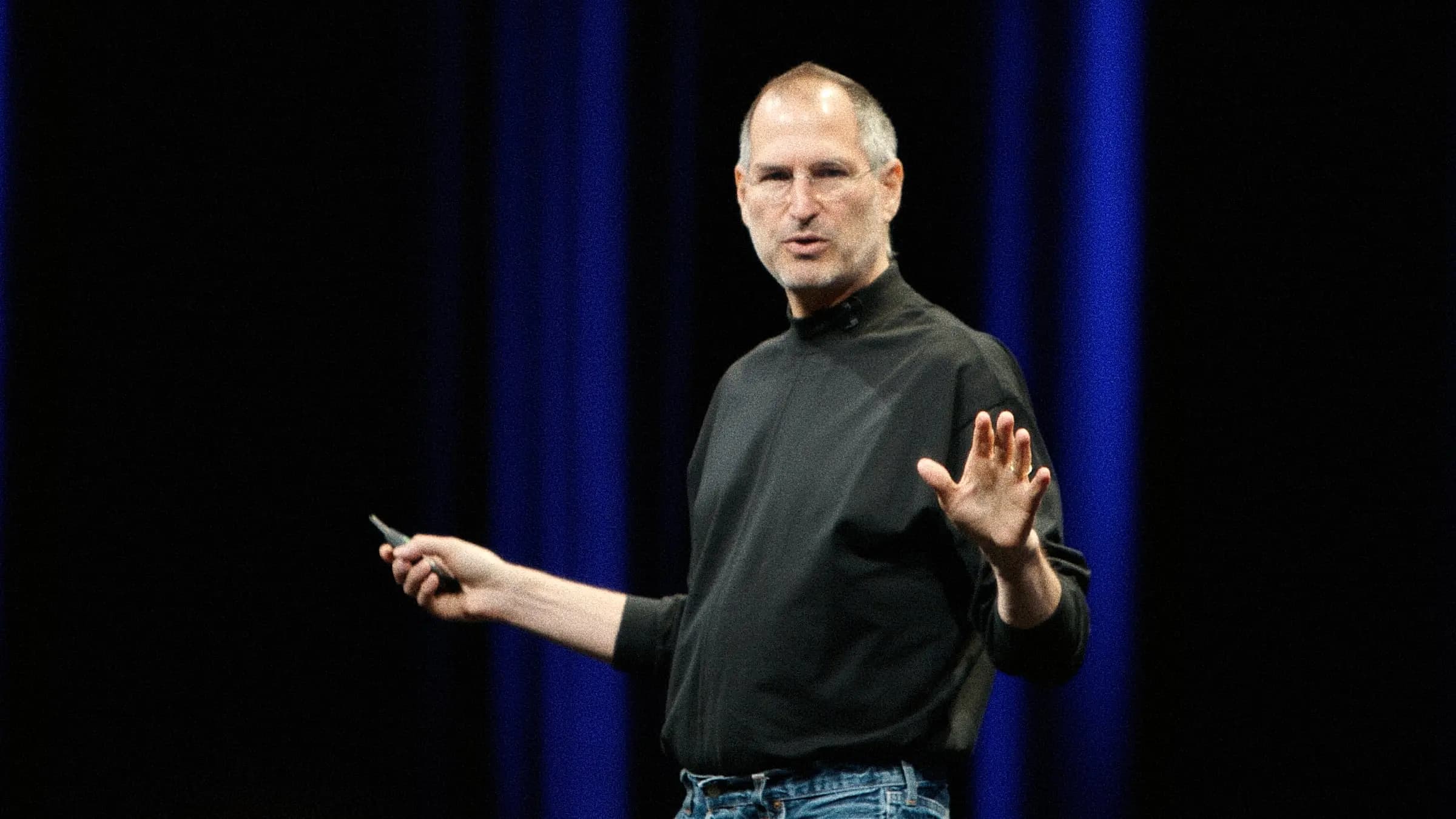
Steve Jobs Returns to Apple After Liver Transplant: A Defining Moment in Tech History
On June 22, 2009, Apple CEO Steve Jobs walked back through the doors of Apple's Cupertino campus, marking one of the most emotionally charged and widely watched returns in the history of corporate America. After undergoing a liver transplant as part of his ongoing battle with pancreatic cancer, Jobs resumed his role at the helm of one of the world's most influential technology companies. This moment was not just a personal triumph — it was a turning point that would shape the final chapter of Jobs' remarkable life and legacy.
The Health Crisis That Shook the Tech World
Steve Jobs had never been fully transparent about the extent of his health problems, and this secretiveness itself became a story that shadowed his later years at Apple. In 2003, Jobs was diagnosed with a rare form of pancreatic cancer known as an islet cell neuroendocrine tumor. Unlike the more aggressive and common forms of pancreatic cancer, this type grows more slowly and, in many cases, is operable. Jobs, however, famously delayed surgery for approximately nine months, a decision he later admitted he regretted.
He underwent surgery in 2004 and appeared to recover. But by 2008, observers and journalists began noticing that Jobs looked dramatically thinner and more frail at public appearances. Apple and Jobs repeatedly deflected questions about his health, citing it as a private matter. Then, in January 2009, Jobs announced he was taking a medical leave of absence, and the world began to understand the full gravity of the situation. He later revealed that his cancer had spread and that complications related to his illness had led to severe nutritional deficiencies and, ultimately, liver failure.
The Liver Transplant: What Happened and Why
Jobs received his liver transplant in the spring of 2009 at Methodist University Hospital in Memphis, Tennessee. The choice of Tennessee was strategic — the state has one of the shorter average waiting times in the United States for organ transplants, and Jobs had registered on multiple transplant lists across the country, a legal but ethically debated practice that allowed wealthier patients to improve their odds of receiving a donor organ more quickly.
The surgery was a significant undertaking. Liver transplants are complex, high-risk procedures even under ideal circumstances. For a patient also dealing with metastatic cancer, the risks were compounded. The transplant was performed successfully, and Jobs began what would be a slow and closely monitored recovery process in the months that followed.
The news of the transplant did not become public until July 2009, when the Wall Street Journal reported the details. Apple had kept the information tightly under wraps, raising ongoing questions about the company's disclosure obligations to shareholders regarding the health of its most critical executive.
June 22, 2009: The Return
By June 22, 2009, Jobs felt well enough to return to work at Apple — still several weeks before the transplant news would become public knowledge. His return was low-key by Jobs' standards. There were no press releases, no dramatic announcements, no staged public appearance. He simply came back to the office and resumed his role guiding the company's products and strategy.
Tim Cook, who had been serving as acting CEO during Jobs' absence, stepped back into his COO role. The transition was seamless in part because Apple had continued to operate at a high level throughout Jobs' leave. The iPhone 3GS had just launched, and the App Store was growing at a staggering pace. Apple was in the midst of one of its most transformative periods, and Jobs was determined to be present for it.
What This Moment Reveals About Steve Jobs the Leader
Jobs' return after such a serious medical ordeal says a great deal about who he was as a leader. His drive and sense of mission were inseparable from his identity. For Jobs, Apple was not just a company — it was a creative and philosophical project that he felt uniquely qualified, perhaps even obligated, to lead. Stepping away was never truly an option in his mind, even when his body demanded it.
His return also highlights the complicated relationship between personal privacy and public accountability that defines the lives of leaders at major public companies. Apple's stock price fluctuated meaningfully in direct response to news about Jobs' health, underscoring just how thoroughly investors had tied the fate of the company to one individual. This dependency, while a testament to Jobs' brilliance, also represented a structural vulnerability that Apple and its board were quietly working to address.
The Final Years: What Came After the Transplant
Following his return in June 2009, Steve Jobs went on to oversee some of Apple's most historic product launches. The iPad debuted in April 2010, creating an entirely new product category and generating billions in revenue almost immediately. The iPhone 4, announced in June 2010, became one of the best-selling phones in Apple's history despite a brief antenna controversy. Jobs also guided the development of the iCloud platform and presided over Apple becoming the most valuable publicly traded company in the world.
Yet his health continued to decline. In August 2011, Jobs resigned as CEO, with Tim Cook taking over permanently. Steve Jobs passed away on October 5, 2011, at the age of 56.
A Legacy Larger Than Any Single Moment
The date of June 22, 2009 occupies a quietly significant place in Apple history. It was the day that Steve Jobs, having fought one of the hardest battles of his life, chose to return to the work that defined him. It was a testament to his resilience, his determination, and his unshakeable belief in what Apple could be. For fans of the company and students of leadership alike, it remains a powerful reminder that behind every great product launch and every iconic keynote, there was a profoundly human story unfolding.
- Steve Jobs was diagnosed with pancreatic cancer in 2003 and underwent surgery in 2004.
- He received a liver transplant in spring 2009 at Methodist University Hospital in Memphis, Tennessee.
- Jobs returned to Apple on June 22, 2009, weeks before the transplant news became public.
- He went on to oversee the launch of the iPad, iPhone 4, and iCloud before stepping down in August 2011.
- Steve Jobs passed away on October 5, 2011, at the age of 56.
His return to work after the transplant was not the end of a health struggle — it was the beginning of one final, extraordinary act of creative leadership that produced some of the most beloved technology products ever made.