
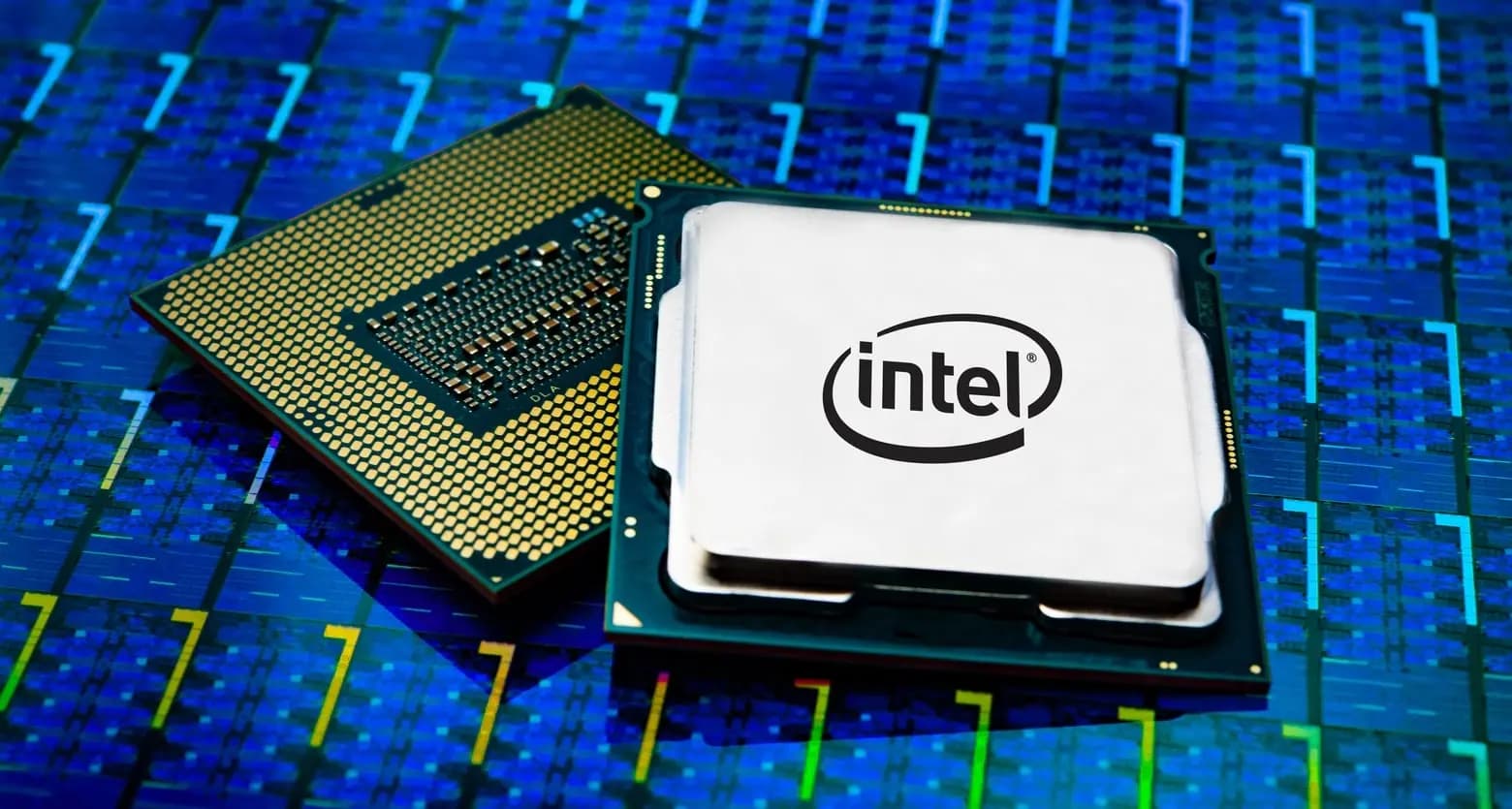
Trump Announces Apple and Intel Chip Partnership on US Soil
In a statement that sent ripples through the technology and financial sectors, President Donald Trump announced that Apple and Intel will work together to manufacture semiconductors inside the United States. The declaration, made with characteristic confidence, offered little in the way of specifics — no timelines, no facility locations, and no confirmed details from either company. Still, the announcement carries enormous implications for the future of American semiconductor manufacturing, the ongoing push for technological independence, and the evolving relationship between Washington and Silicon Valley.
Whether this becomes a landmark moment in US industrial policy or fades into the long list of unconfirmed tech announcements remains to be seen. But here is everything we know so far about what Trump said, what it could mean, and why the semiconductor industry is watching closely.
What Exactly Did Trump Say?
President Trump stated publicly that Apple and Intel would be building chips together in US-based plants. The announcement was brief and light on substance, with no official press release from the White House, no joint statement from Apple or Intel, and no roadmap provided for when or how this partnership would take shape. Trump's remarks align with his broader "America First" manufacturing agenda, which has consistently pushed large corporations — particularly technology giants — to move production back to American shores.
This is not the first time Trump has publicly pressured or credited major tech companies with manufacturing commitments. During his previous term and into his current one, he has made similar announcements regarding companies like TSMC, Samsung, and others, often before the full scope of those agreements was finalized or even formally agreed upon by the companies involved.
Why Apple and Intel? Understanding the Strategic Logic
At first glance, an Apple-Intel chip partnership might seem unusual. Apple famously parted ways with Intel processors in 2020 when it transitioned its Mac lineup to its own Apple Silicon chips — the M-series processors built on ARM architecture and manufactured by TSMC in Taiwan. That transition was widely celebrated for delivering dramatic gains in performance and power efficiency.
Intel, meanwhile, has been navigating one of the most turbulent periods in its corporate history. The company has struggled to regain its technological footing against rivals like AMD and NVIDIA, and its foundry ambitions — the effort to manufacture chips for other companies through Intel Foundry Services — have faced significant headwinds, including financial losses and delayed technology rollouts.
However, the strategic logic behind a potential collaboration is not entirely without merit. Intel operates actual fabrication facilities, known as fabs, inside the United States. Apple has the design expertise, the capital, and the enormous demand to justify large-scale chip production. If Apple were to use Intel's US-based fabs to manufacture certain chips — even non-Apple Silicon components like modems, power management chips, or connectivity processors — it would represent a meaningful shift in how American semiconductor capacity is utilized.
The Broader Context: America's Semiconductor Race
Trump's announcement does not exist in a vacuum. It comes amid an intensifying global competition over semiconductor supply chains. The CHIPS and Science Act, signed into law in 2022, allocated over $52 billion to incentivize domestic chip manufacturing, and companies including TSMC, Samsung, and Intel itself have received or applied for significant grants under that legislation.
The United States currently depends heavily on Taiwan — particularly TSMC — for the production of the world's most advanced chips. That dependency has become a central concern for national security policymakers on both sides of the aisle. Any move that brings high-volume chip manufacturing back to American soil, whether through Apple, Intel, or a combination of both, fits neatly into a political and economic narrative that has bipartisan appeal.
- TSMC is building multiple fabs in Arizona, backed by billions in federal subsidies.
- Intel has received conditional commitments for CHIPS Act funding to support its Ohio and Arizona facilities.
- Samsung is expanding its Texas semiconductor campus.
- Apple has previously pledged over $500 billion in US investments over the next four years.
An Apple-Intel partnership, if real and substantive, would add another major pillar to this reshoring effort.
What Apple and Intel Have (and Haven't) Said
As of the time of writing, neither Apple nor Intel has issued an official statement confirming the details of any chip manufacturing partnership. This silence is notable. Both companies are publicly traded and subject to disclosure obligations, meaning a formal, binding agreement of this scale would typically require some form of public communication to shareholders and regulators.
Apple has been guarded about its supply chain relationships for decades, and any arrangement with Intel Foundry Services would represent a significant strategic reversal from its TSMC-exclusive manufacturing posture. Intel, on the other hand, has been actively courting large customers for its foundry business and would benefit enormously from landing Apple as a client — both financially and in terms of industry credibility.
What This Could Mean for the Future of US Tech Manufacturing
Even if the details of Trump's announcement are still fuzzy, the underlying direction of travel is clear. The United States is committed — at the political, regulatory, and corporate level — to rebuilding domestic semiconductor capacity. A collaboration between two of America's most iconic technology companies would be a powerful symbol of that commitment, and potentially a practical accelerant as well.
For consumers, a more diversified and domestically anchored chip supply chain could eventually mean greater product stability, reduced vulnerability to geopolitical disruptions, and potentially more innovation driven by competition closer to home. For investors, the announcement has already drawn attention to both Apple and Intel stock, as markets try to price in the potential upside of such a partnership.
Stay Tuned: The Details Are Still Coming
Trump's announcement about Apple and Intel building chips together in the United States is significant precisely because of how little detail accompanied it. It raises more questions than it answers — about the nature of the partnership, the types of chips involved, the facilities that would be used, and the timeline for any production to begin. What is clear is that domestic semiconductor manufacturing has become a top priority for the US government, and that both Apple and Intel are central characters in that story. As more information emerges from official channels, the true shape of this potential collaboration will come into focus. Until then, the technology world is watching carefully.