
What Is Pink Mold? Understanding the Slimy Intruder in Your Home
If you've ever noticed a pink or reddish-orange slime building up around your shower drain, on your bathroom tiles, or even inside your kitchen sink, you've already encountered pink mold. While the name suggests a type of fungus, pink mold is actually most commonly caused by a bacterium called Serratia marcescens. This airborne microorganism thrives in damp, warm environments and feeds on fatty deposits left behind by soap, shampoo, and other personal care products.
In some cases, the pink or salmon-colored growth you see could also be caused by Aureobasidium pullulans, a true fungal species that tends to appear on grout lines, caulking, and around window sills. Whether bacterial or fungal in nature, both types are unwelcome houseguests that spread quickly if left untreated — and both respond well to natural cleaning solutions you likely already have in your kitchen.
Where Does Pink Mold Typically Grow?
Pink mold loves moisture, warmth, and organic material to feed on. That's why it tends to cluster in very specific locations around the home. Knowing where to look is the first step toward eliminating it for good.
- Bathrooms: Shower walls, bathtub edges, toilet bowls, and grout lines are among the most common breeding grounds. The combination of steam, standing water, and soap residue creates the perfect habitat.
- Kitchens: Sink drains, dish racks, and even the inside of reusable water bottles can harbor pink mold, especially if not dried thoroughly between uses.
- Laundry rooms: Front-loading washing machine rubber gaskets are notorious for accumulating pink mold due to trapped moisture and detergent residue.
- Pet water bowls: The slimy pink film that forms on the inside of pet bowls is often Serratia marcescens, which can pose health risks to both pets and their owners.
Is Pink Mold Dangerous to Your Health?
While pink mold is not as immediately alarming as black mold, it is still a health concern that should not be ignored. Serratia marcescens is an opportunistic pathogen, meaning it can cause infections — particularly in individuals with weakened immune systems, open wounds, or underlying respiratory conditions. Known health risks include urinary tract infections, respiratory issues, and in rare cases, pneumonia.
For healthy individuals, casual exposure to pink mold in a well-ventilated bathroom is unlikely to cause serious harm. However, prolonged exposure or direct contact with eyes and open cuts can lead to infections. Children, the elderly, and immunocompromised individuals should be especially cautious. The safest approach is simply to clean it away as soon as you spot it.
Natural Kitchen Staples That Eliminate Pink Mold Effectively
You don't need harsh chemical sprays or expensive commercial products to get rid of pink mold. Several powerful natural ingredients commonly found in kitchens can break down the biofilm that pink mold forms on surfaces and prevent it from coming back.
White Vinegar
Distilled white vinegar is one of the most effective natural cleaners for pink mold. Its acetic acid content disrupts the cell structure of bacteria and mold, killing the growth at its source. Simply pour undiluted white vinegar into a spray bottle, apply it directly to the affected area, and let it sit for at least 10 to 15 minutes before scrubbing with a stiff brush. Rinse thoroughly with warm water and allow the surface to dry completely.
Baking Soda
Baking soda is a mild abrasive and natural deodorizer that works particularly well when combined with vinegar. After applying vinegar to a surface, sprinkle baking soda on top to create a gentle fizzing reaction that lifts stubborn deposits from grout and tile. Mix baking soda with a small amount of water to create a paste for targeted scrubbing on heavily affected areas like shower caulking or drain surrounds.
Salt
Coarse salt is another kitchen staple with surprising cleaning power. Its abrasive texture makes it ideal for scrubbing away the slimy pink residue on surfaces without scratching. Combine salt with lemon juice for a mildly acidic scrub that's especially effective on ceramic and porcelain surfaces.
Hydrogen Peroxide
While not strictly a kitchen staple, hydrogen peroxide (3%) is widely available and works exceptionally well as an antifungal and antibacterial agent. Spray it onto the affected area, wait 10 minutes, and wipe clean. It's particularly useful for treating pink mold inside washing machine gaskets and toilet bowls.
Step-by-Step Guide to Cleaning Pink Mold Naturally
Follow this straightforward process to remove pink mold from surfaces around your home using only natural ingredients.
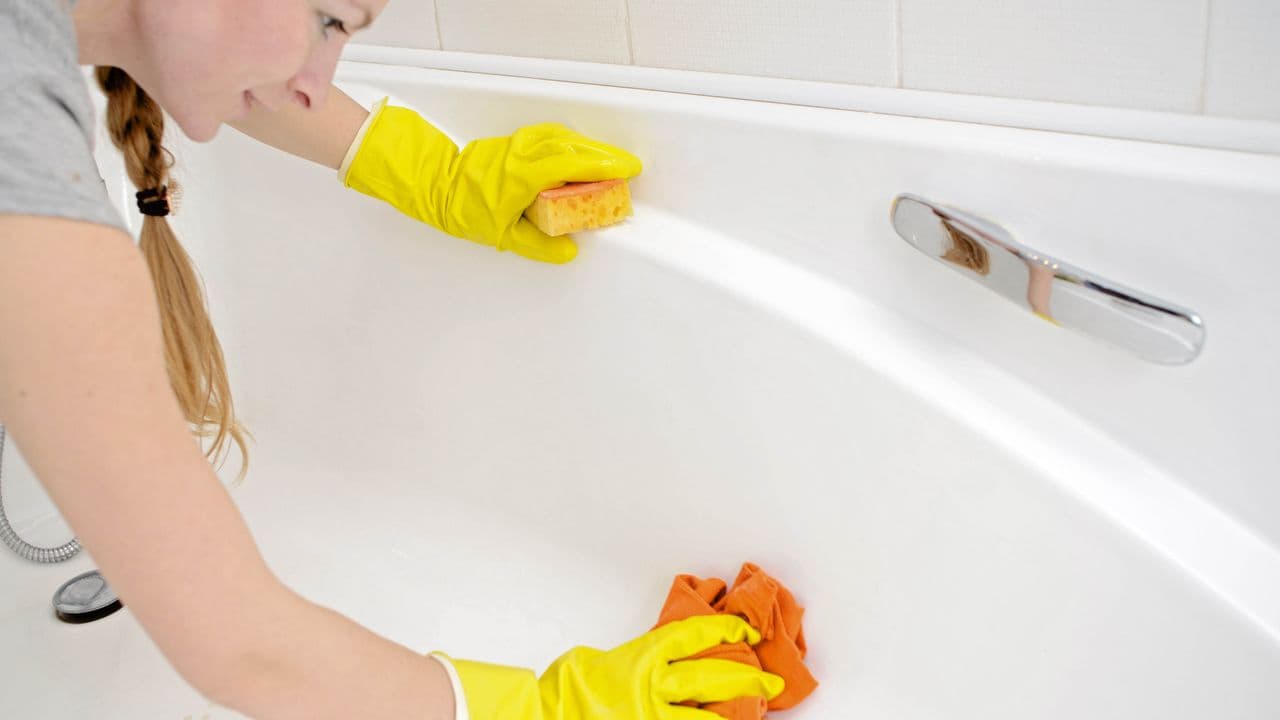
- Step 1: Put on rubber gloves and, if cleaning an enclosed space, open a window or turn on ventilation to ensure airflow.
- Step 2: Spray undiluted white vinegar generously over the entire affected area and let it sit for 10 to 15 minutes.
- Step 3: Sprinkle baking soda over the vinegar and use a stiff-bristled brush or old toothbrush to scrub away the pink growth, paying special attention to grout lines and crevices.
- Step 4: Rinse the surface with warm water and wipe dry with a clean microfiber cloth.
- Step 5: Apply a final light spray of undiluted vinegar and allow it to air dry as a preventative measure.
How to Prevent Pink Mold From Coming Back
Cleaning pink mold is only half the battle — prevention is the key to keeping it from returning. Since moisture is its primary fuel, reducing dampness in your home goes a long way toward discouraging regrowth.
After every shower, squeegee the walls and leave the bathroom door open to allow humidity to escape. Run your bathroom exhaust fan during and for at least 20 minutes after bathing. Rinse your sink and tub regularly with hot water to wash away the soap scum that pink mold feeds on. For pet water bowls, wash them daily with dish soap and hot water. In the laundry room, leave the washing machine door ajar between cycles so moisture doesn't accumulate inside the drum and gasket.
Performing a weekly spray-down of high-risk surfaces with diluted white vinegar can also significantly reduce the likelihood of pink mold establishing itself again. Consistency is everything when it comes to mold prevention, and the good news is that these simple habits require very little time or effort.
Final Thoughts
Pink mold may look alarming, but it's entirely manageable with the right approach and the natural ingredients already sitting in your kitchen. By understanding what causes it, recognizing where it likes to grow, and acting quickly with proven natural solutions like vinegar, baking soda, and salt, you can keep your home clean, healthy, and free from this persistent pink intruder. Stay consistent with your cleaning routine, keep surfaces dry, and pink mold won't stand a chance.