
Why Do Some Gadgets Still Run On AA Batteries?
In an era defined by wireless charging pads, long-lasting lithium-ion power banks, and USB-C everything, it might seem strange that the humble AA battery is still very much alive. Walk through any electronics store or browse any major retailer online, and you will find hundreds of products — remote controls, wireless mice, flashlights, smart home sensors, clocks, and more — that still depend on a pair of double-A batteries to function. So what is going on? Why haven't these cylindrical stalwarts been replaced entirely by sleek, rechargeable alternatives? The answer is more nuanced than you might expect, and it comes down to a combination of cost, convenience, reliability, and design philosophy.
The Surprisingly Enduring Appeal of AA Batteries
AA batteries have been a consumer electronics staple since the 1950s, and their longevity is not accidental. They represent one of the most standardized power formats in history, available in virtually every country on earth, in every gas station, supermarket, pharmacy, and corner shop imaginable. That universal availability is a feature, not a bug — and it's one that rechargeable battery systems simply cannot replicate on the same scale.
When a device runs out of power at an inconvenient moment, the fix is immediate with AA batteries. You pull out the dead cells, drop in fresh ones, and you are back up and running within seconds. No cables, no waiting hours for a charge cycle to complete, and no anxiety about whether you remembered to plug the device in the night before. For many consumers and many use cases, that simplicity is genuinely valuable.
Low-Power Devices Don't Need Rechargeable Batteries
One of the most practical reasons gadgets still run on AA batteries is that many devices simply do not consume enough power to justify the added complexity and cost of a built-in rechargeable cell. Consider the typical television remote control. It sits in a drawer or on a coffee table for most of its life, drawing almost no current at all. When you do use it, the power demand is minimal — a brief infrared signal sent a few times per hour. A pair of AA batteries in a remote control can last well over a year under normal usage conditions.
The same logic applies to wall clocks, smoke detectors, wireless doorbells, and basic bathroom scales. These are low-drain devices that cycle through power so slowly that building in a rechargeable battery would add manufacturing cost, complicate the charging infrastructure, and likely result in a product that users still need to remember to charge — without any meaningful benefit over simply swapping out a battery once a year.
Cost and Manufacturing Simplicity
From a manufacturer's perspective, designing a product around AA batteries dramatically reduces engineering overhead. There is no need to design a custom battery compartment, integrate a charging circuit, add a USB port, pass additional safety certifications for lithium-ion cells, or manage the heat considerations that come with rechargeable technology. The AA battery slot is a solved problem. It is cheap to produce, easy to assemble, and universally understood by consumers.
This reduction in complexity translates directly to lower retail prices. A basic wireless mouse powered by AA batteries can be sold for a fraction of the cost of a comparable rechargeable model. For budget-conscious consumers and for businesses purchasing devices in bulk — think office keyboards, conference room remotes, or hospitality equipment — that cost difference matters enormously.
Reliability in Critical and Outdoor Scenarios
Rechargeable batteries, particularly lithium-ion cells, have well-known weaknesses. They degrade in extreme cold, they can swell or fail if stored at full charge for extended periods, and they have a finite number of charge cycles before their capacity drops significantly. AA alkaline batteries, by contrast, are remarkably stable across a wide range of temperatures and can be stored for up to ten years without significant power loss.
This reliability makes AA batteries the preferred choice for emergency equipment, outdoor gear, and critical safety devices. Flashlights kept in emergency kits, weather radios, portable GPS units, and camping lanterns all benefit from the predictable, long shelf-life performance that alkaline AA cells provide. In a disaster scenario where access to electricity is limited or non-existent, the ability to buy fresh batteries at a local store — or borrow them from another device — can be genuinely life-saving.
Consumer Habits and the Legacy Ecosystem
There is also a powerful psychological and infrastructural dimension to the AA battery's persistence. Billions of devices already in circulation worldwide are built around this standard. Consumers have chargers, battery organizers, and bulk packs of AA cells at home. Shifting an entire product category away from AA batteries would require users to change their habits, purchase new accessories, and navigate an unfamiliar charging ecosystem. For many product categories, manufacturers have simply determined that the disruption is not worth it.
The Environmental Conversation
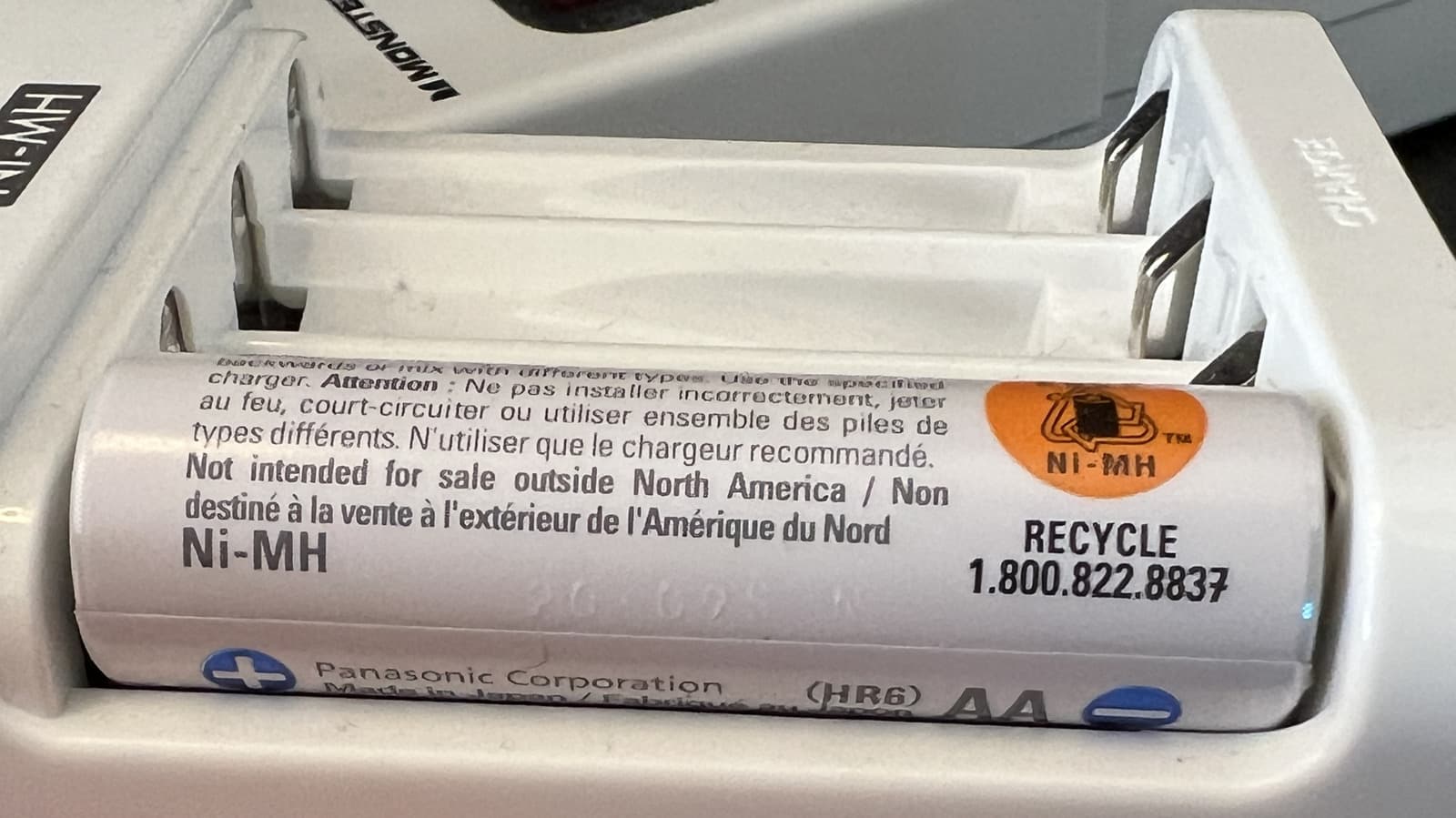
It would be incomplete to discuss AA batteries without acknowledging the environmental concerns. Disposable batteries contribute to landfill waste and contain materials that require careful disposal. Rechargeable alternatives, when used consistently, do offer a lower environmental footprint over time. Many consumers and companies are making the switch to rechargeable AA-format cells — such as NiMH batteries — which offer the best of both worlds: the universal AA form factor with the sustainability of recharging.
Will AA Batteries Ever Disappear?
The short answer is: not anytime soon. While rechargeable technology continues to improve and the market for wireless, built-in battery devices keeps growing, the AA battery occupies a unique position that is difficult to displace. Its combination of universal availability, low cost, long shelf life, and plug-and-play simplicity ensures it will remain a fixture in consumer electronics for years to come. The next time you pop a fresh pair into your TV remote, you are participating in one of the most enduring and practical standards in the history of modern technology.