
Why Do Utah State Highway Signs Have a Beehive?
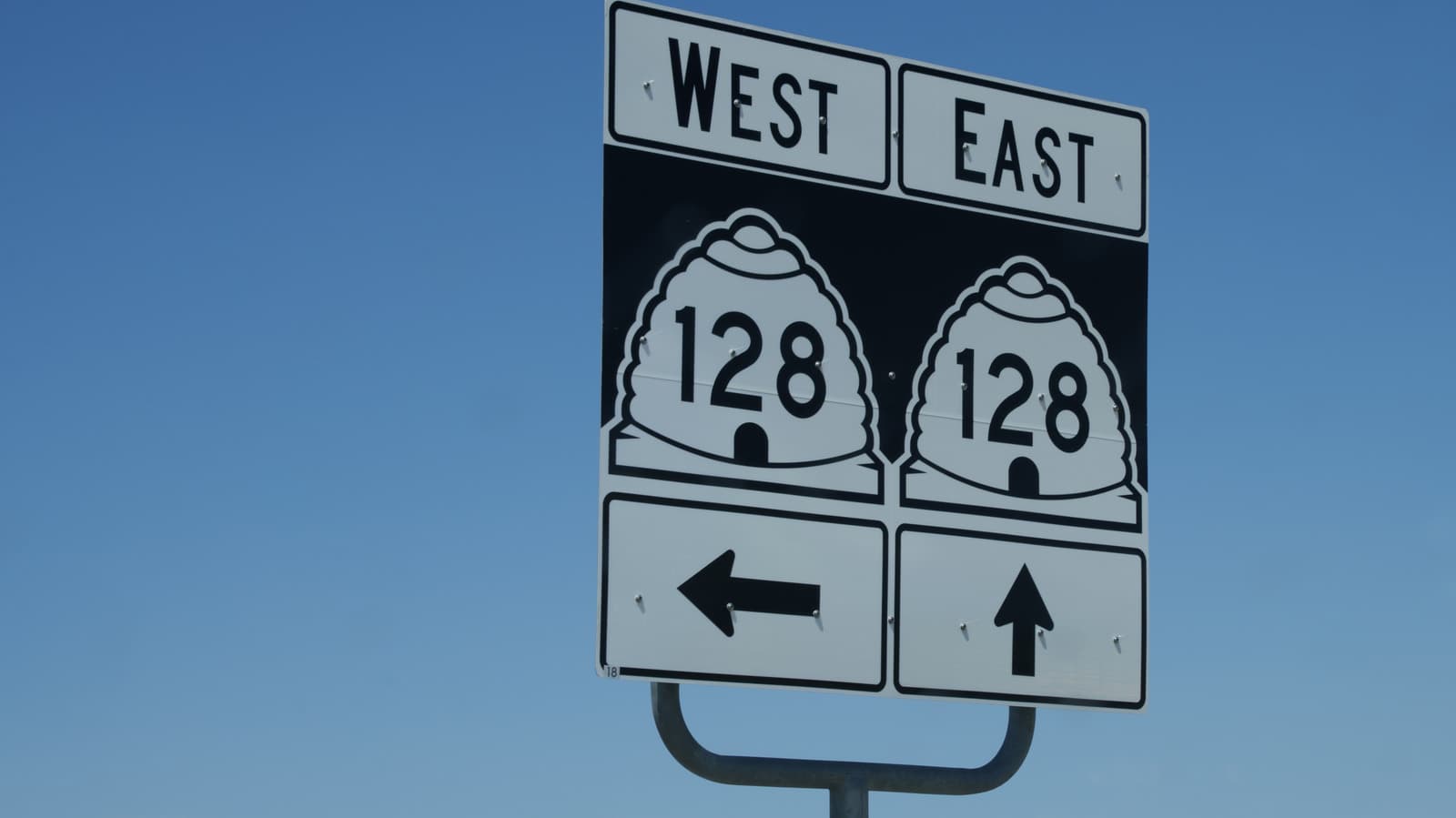
If you have ever driven through Utah, you may have noticed something a little different about the state highway signs. While most states across the country use relatively standard designs for their road signs, Utah stands out with a distinctive and eye-catching symbol: the beehive. This small but meaningful image sits proudly on Utah's state highway markers, and it is far more than just a decorative choice. The beehive carries deep historical, cultural, and symbolic significance that stretches back to the very founding of the state itself. Understanding why Utah chose this symbol reveals a fascinating chapter in American history.
The Beehive as Utah's Official State Symbol
Before diving into the highway signs specifically, it is important to understand just how central the beehive is to Utah's identity as a whole. The beehive is Utah's official state emblem, and it appears on numerous state symbols, including the state seal, the state flag, and even the state's nickname. Utah is officially known as "The Beehive State," a moniker that has been part of the region's identity since long before Utah was even granted statehood in 1896.
The image of the beehive was so important to early Utah settlers that it became the defining symbol of the territory. When the region was first organized as a U.S. territory in 1850, it was not yet called Utah. Early settlers actually proposed the name "Deseret," a word taken from the Book of Mormon that translates roughly to "honeybee." While the name Deseret was ultimately rejected by the U.S. Congress in favor of Utah — a name derived from the Ute Native American tribe — the spirit of the beehive and its meaning was carried forward and woven into the fabric of the new territory and eventual state.
Who Were the Early Settlers That Brought the Beehive Symbol?
The early settlers who introduced the beehive symbol to Utah were members of The Church of Jesus Christ of Latter-day Saints, commonly known as the LDS Church or Mormon pioneers. Led by Brigham Young, these pioneers arrived in the Salt Lake Valley in 1847 after a long and arduous westward journey, seeking a place where they could practice their faith freely and build a new community.
For these settlers, the beehive was not simply a charming image — it was a powerful metaphor for the values they held most dear. A beehive represents industry, cooperation, hard work, and community. Just as bees work together selflessly and tirelessly to build and sustain their hive, the Mormon pioneers believed in working collectively for the good of their community. Every individual had a role to play, and together they could accomplish extraordinary things in what was, at the time, a rugged and largely uninhabited desert landscape.
This spirit of industrious cooperation was essential to the settlers' survival. Building irrigation systems, farming difficult terrain, constructing towns, and establishing infrastructure all required the kind of disciplined, collective effort that the beehive perfectly symbolized. It was only natural, then, that this image would come to represent not just a church community, but an entire territory and, eventually, a state.
The Beehive on Utah's Highway Signs
When Utah developed its state highway system, it made the deliberate choice to incorporate the beehive into its road signs, distinguishing them from the standard designs used in neighboring states. Utah's state highway signs feature a beehive shape as the backdrop for the highway route number, immediately setting them apart from the typical shield or circle designs used elsewhere in the country.
This design choice was both a practical branding decision and a proud nod to state heritage. Travelers driving through Utah are instantly reminded that they are in a place with a unique history and identity. The beehive on the road sign is not just decoration — it is a statement about who Utahns are and where they came from.
The Beehive's Lasting Legacy in Utah Culture
Today, the beehive remains one of the most recognizable symbols in Utah, appearing in contexts far beyond road signs and government seals. You will find beehive imagery on:
- The Utah state flag, which features the state seal prominently displaying a beehive
- The official state seal, where the beehive is surrounded by sego lilies, Utah's state flower
- Business names, logos, and local branding throughout the state
- Public monuments and architecture in Salt Lake City and beyond
- Sports team merchandise and civic organization emblems
The symbol has transcended its religious origins to become a broadly embraced emblem of Utah pride. Even residents who have no connection to the LDS Church identify with the values the beehive represents — hard work, community, and resilience in the face of a challenging environment.
A Symbol That Tells a Story
Utah's highway signs are a perfect example of how a small design detail can carry enormous historical weight. The next time you see that beehive shape on a Utah state road sign, you are looking at more than a route marker. You are seeing a window into the story of the Mormon pioneers, their vision for a cooperative desert society, and the enduring legacy of "Deseret" — the land of the honeybee — that continues to shape Utah's identity to this day. Few states wear their history so visibly on something as everyday as a highway sign, and that is precisely what makes Utah's roads so distinctively its own.