
Is Your Plant Trying to Tell You Something?
Houseplants are surprisingly expressive. When they need water, their leaves droop. When they lack sunlight, they stretch toward the nearest window. And when they've outgrown their pot, they send out a whole set of signals that are easy to spot — if you know what to look for. Repotting at the right time is one of the most impactful things you can do for a plant's long-term health, yet it's one of the most commonly overlooked aspects of plant care.
Too many plant owners wait until their green companion is visibly struggling before taking action. The good news is that plants give you plenty of advance warning. In this article, we'll walk you through the five clearest signs that your plant has outgrown its current home — and what to do about it before serious damage sets in.
Why Pot Size Matters More Than You Think
A pot isn't just a decorative container. It's the foundation of your plant's entire ecosystem. The roots need adequate space to spread, access nutrients, and anchor the plant securely. When a pot becomes too small, roots get compacted, soil depletes faster, and water drainage becomes inconsistent. Over time, a root-bound plant begins to decline — even if you're doing everything else right.
Understanding when to repot is just as important as knowing how to repot. Timing matters too: most plants benefit from being repotted in early spring, just before their active growing season begins. But regardless of season, some signs are urgent enough that they shouldn't wait.
Sign 1: Roots Are Escaping Through the Drainage Holes
This is the most obvious and undeniable sign that your plant has run out of room. When roots begin poking out through the drainage holes at the bottom of the pot, it means the root system has completely filled the available space and is actively searching for more. At this stage, the plant is already under stress.
Don't ignore this sign or simply trim the protruding roots. That's a temporary fix at best. The real solution is to move your plant to a pot that is one to two inches larger in diameter, giving the roots the room they need to continue growing naturally.
Sign 2: The Plant Dries Out Unusually Fast
If you find yourself watering your plant every day or two — and the soil still seems dry within hours — this is a strong indicator that roots have taken up so much space that there's very little soil left to retain moisture. A healthy pot should have a good ratio of soil to root mass, allowing water to be absorbed gradually and evenly.
When that balance tips too far toward roots, water rushes straight through without being retained. This leads to chronic underwatering even when you're watering frequently, which can cause leaf drop, yellowing, and stunted growth. Repotting into fresh, nutrient-rich potting mix with more volume will immediately improve moisture retention.
Sign 3: The Plant Has Become Top-Heavy or Unstable
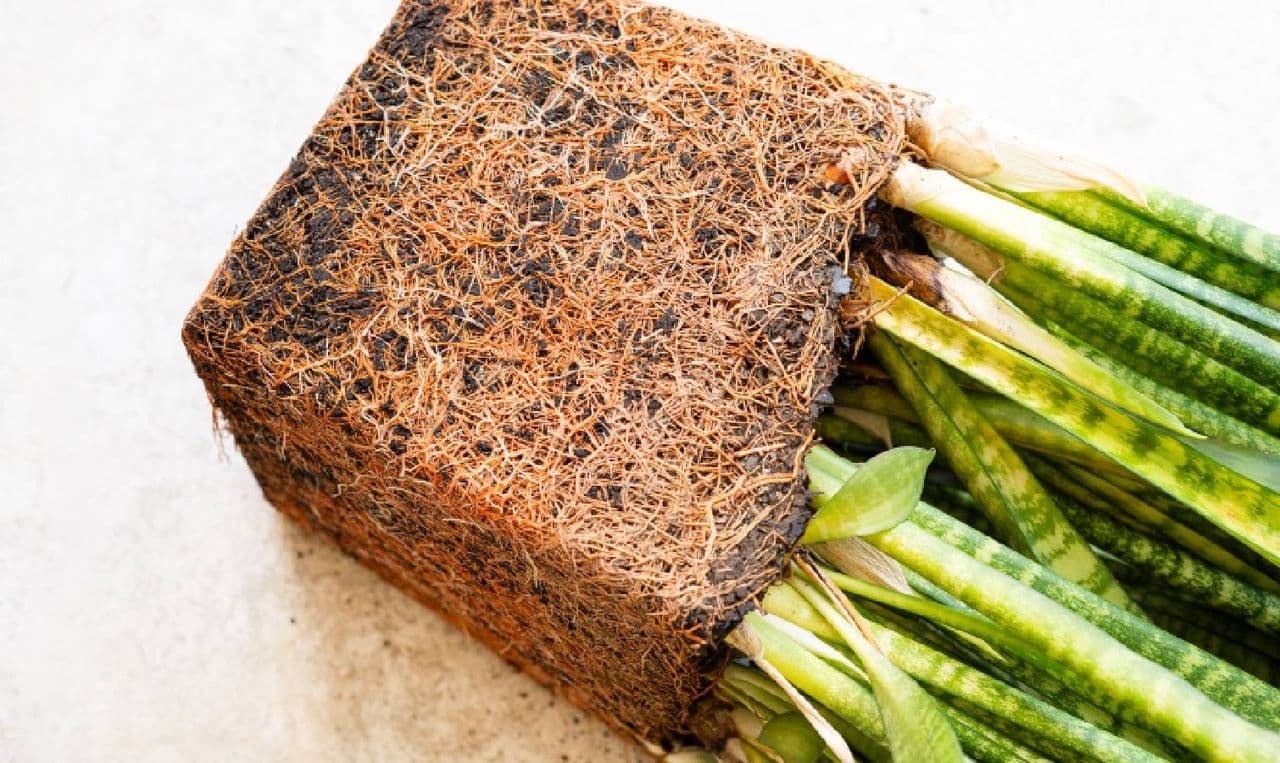
A plant that tips over easily, wobbles in its pot, or seems disproportionately large compared to its container is telling you that the root system can no longer support the plant's above-ground growth. This is especially common in fast-growing plants like pothos, peace lilies, and snake plants.
Stability matters not just aesthetically but structurally. A top-heavy plant is under mechanical stress, and its roots may be twisted or coiled inside the pot in unnatural ways. Upgrading to a wider, heavier pot will restore balance and give the roots room to redistribute and anchor properly.
Sign 4: You Can See Roots Circling the Surface of the Soil
Sometimes you don't even need to check the drainage holes. If you look at the top of the soil and notice roots visibly circling the surface, pushing up through the potting mix, or forming a dense mat just below the soil line, the plant has clearly maxed out its space. This is sometimes called being "root-bound" or "pot-bound."
While some plants — like spider plants and certain succulents — actually prefer slightly snug conditions, most houseplants perform far better with room to grow. Circling surface roots are a reliable, easy-to-spot sign that it's time to act.
Sign 5: Growth Has Slowed or Completely Stalled
If your plant isn't putting out new leaves, isn't growing taller, or seems to have been the same size for months despite good light, regular watering, and proper fertilization, a too-small pot could be the culprit. Root-bound plants redirect energy away from new growth because the root system is working overtime just to sustain what's already there.
This sign is subtler than the others, but it's just as important. Once you rule out other factors like insufficient light or seasonal dormancy, consider whether the pot size could be limiting your plant's potential. A fresh, roomier container with new potting soil can often trigger a noticeable growth spurt within just a few weeks.
How to Repot Your Plant the Right Way
Once you've identified that your plant needs more space, the process is straightforward. Choose a new pot that is one to two inches larger in diameter than the current one — going too large can actually cause problems like waterlogging. Use fresh, well-draining potting mix appropriate for your plant type. Gently loosen the root ball before placing it in the new container, and water thoroughly after repotting to help the plant settle in.
Give your plant a few weeks to adjust. Some temporary leaf drop or wilting is normal after repotting as the plant adapts to its new environment. Avoid fertilizing immediately after repotting, as the fresh soil already contains nutrients and the roots need time to recover from any handling stress.
Don't Wait Until It's Too Late
Plants are resilient, but they thrive when you stay ahead of their needs rather than reacting to problems after they've developed. By learning to recognize the five signs above — escaping roots, rapid drying, instability, surface root circling, and stalled growth — you can repot at exactly the right moment and keep your houseplants healthy, vigorous, and beautiful for years to come. A little attentiveness goes a long way when it comes to plant care, and your plants will reward you for it.