
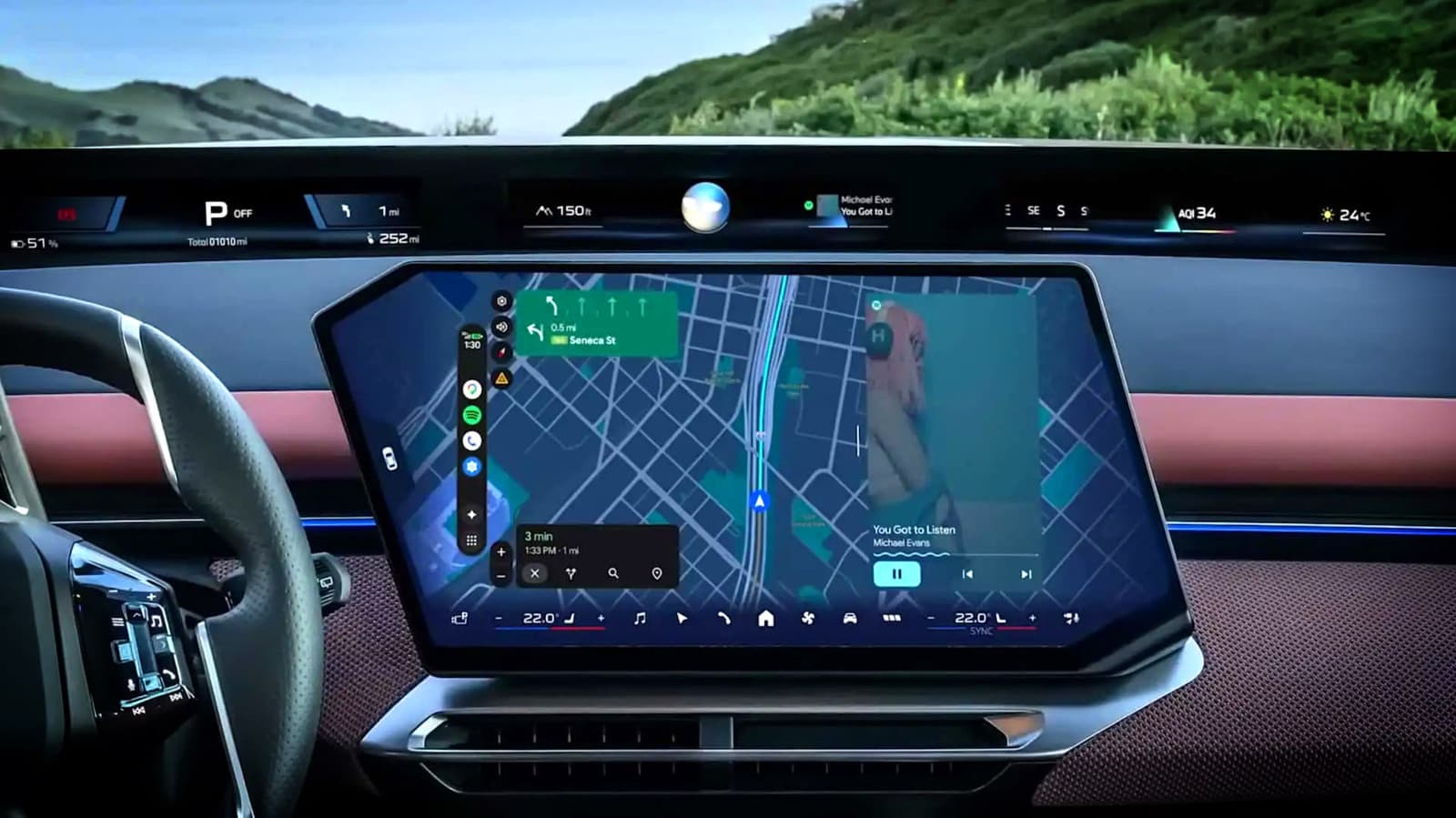
Car Manufacturers Are Ditching Android Auto in 2026: Here's Why
For millions of drivers, Android Auto has become as essential as a seatbelt. The ability to mirror your smartphone's navigation, music, and messaging apps onto your car's dashboard display has transformed the daily commute into a seamlessly connected experience. Yet, despite its enormous popularity among consumers, a growing number of car manufacturers are planning to drop Android Auto support entirely by 2026. So what's going on — and what does it mean for the millions of Android users who rely on the platform every day?
What Is Android Auto and Why Do Drivers Love It?
Android Auto is Google's platform that allows Android smartphones to connect to a vehicle's infotainment system, projecting a simplified, driver-friendly interface onto the car's built-in screen. Once connected — either via USB cable or wirelessly — drivers can access Google Maps, Waze, Spotify, podcast apps, and hands-free messaging without ever touching their phone.
The appeal is obvious. Rather than learning a new, often clunky proprietary interface every time they buy a car, drivers can rely on the apps and layouts they already know and trust. For Android users especially, it removes friction and makes the in-car experience feel intuitive from day one. Studies and consumer surveys have consistently shown that Android Auto (alongside Apple CarPlay) ranks among the most important technology features for new car buyers — sometimes outranking advanced driver assistance systems in purchase decision surveys.
So Why Are Automakers Walking Away?
If Android Auto is so beloved, why would manufacturers risk alienating their customers by removing it? The answer comes down to one thing: data — and who controls it.
When a driver uses Android Auto, Google is in the driver's seat when it comes to data collection. Navigation routes, points of interest, music preferences, and even behavioral patterns behind the wheel are all processed through Google's ecosystem. For automakers, this represents a significant loss of a deeply valuable asset. In an era where connected vehicles generate enormous amounts of user data, car brands are acutely aware that ceding that data pipeline to a third party like Google means giving up a competitive advantage worth billions of dollars.
Beyond data, there's also the matter of brand experience. Automakers have long struggled with the irony that drivers spend more time interacting with Google's or Apple's software than with the manufacturer's own interface. From a branding perspective, a driver who uses Android Auto the entire time they're in a BMW, a Toyota, or a Volkswagen is essentially spending their driving hours inside a Google product — not a BMW, Toyota, or Volkswagen one. That's a brand dilution that executives are increasingly unwilling to accept.
The Rise of Proprietary In-Car Operating Systems
Rather than simply removing Android Auto without a replacement, most automakers abandoning the platform are doubling down on their own in-house operating systems. Several major manufacturers have already begun this transition:
- General Motors announced plans to phase out both Android Auto and Apple CarPlay across its vehicle lineup, betting on its own Google-built (but GM-controlled) infotainment platform powered by Android Automotive OS — a fundamentally different product from Android Auto that runs natively in the car rather than mirroring a phone.
- Stellantis has been developing its own connected vehicle platform, STLA Brain, designed to give the automaker full ownership over the software stack and the data it generates.
- Toyota and other Asian manufacturers are investing heavily in proprietary systems that integrate more deeply with vehicle hardware, offering features like predictive maintenance alerts, personalized driver profiles, and subscription-based services that wouldn't be possible if Google or Apple controlled the interface layer.
The common thread is control. Automakers want to own the full software-defined vehicle experience, from the moment a driver sits down to the moment they park and walk away.
What About Android Automotive OS? Isn't That Still Google?
This is where things get nuanced. Android Automotive OS — the platform that runs natively inside vehicles from brands like Volvo, Polestar, and Renault — is not the same as Android Auto. While it is built on Google's Android foundation, automakers license it and customize it heavily, retaining more control over the user experience and, crucially, more ownership over the data generated. Think of it as the difference between building your house on someone else's land versus buying the plot outright and hiring an architect to build exactly what you want.
Some manufacturers see Android Automotive OS as an acceptable middle ground. Others view even that level of Google involvement as too great a concession and are building entirely from scratch.
What Does This Mean for Drivers?
For everyday Android users, the implications are significant. If your next vehicle doesn't support Android Auto, you'll be navigating — literally — with whatever system the manufacturer has built. The quality of those systems varies wildly. Some, like those offered by Tesla, have been praised for their responsiveness and elegance. Others have earned reputations for being unintuitive, slow, and frustrating to update.
Consumer backlash is already brewing. When General Motors announced its decision to remove CarPlay and Android Auto support, the response from drivers was swift and largely negative. Some buyers explicitly stated they would reconsider their purchase decisions as a result. Automakers are gambling that their proprietary systems will improve fast enough — and become compelling enough — to retain customer loyalty without the safety net of Android Auto.
The Bottom Line
The tension between automakers and Android Auto reflects a much larger battle being waged across the automotive industry: who owns the software-defined car of the future? Car manufacturers are no longer content to be hardware companies that hand the software experience over to Silicon Valley. They want to be technology companies in their own right — and that means taking back control of the dashboard, one model year at a time.
Whether drivers will embrace this shift or push back hard enough to reverse it remains one of the most compelling storylines in the automotive world heading into 2026 and beyond.