
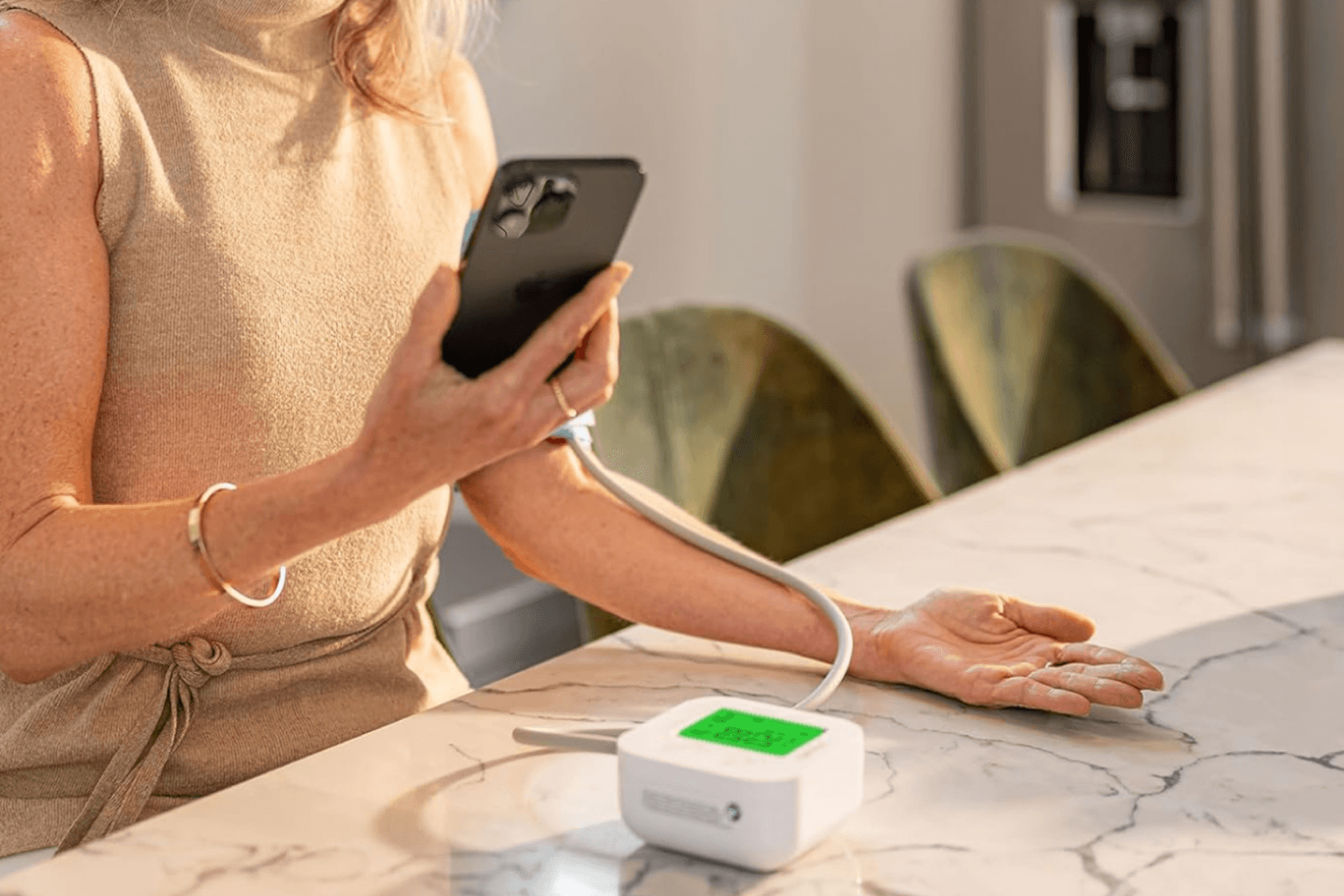
Monitor Your Blood Pressure at Home for Just $25 — and Sync It to Your iPhone
Keeping tabs on your blood pressure used to mean scheduling a doctor's appointment, rolling up your sleeve in a clinical waiting room, and hoping the numbers weren't too alarming. Today, that whole experience fits neatly on your wrist or upper arm — and for less than the cost of a dinner out. The iHealth Track blood pressure monitor retails for just $24.99 and syncs your readings directly to your iPhone, making it one of the most accessible health monitoring tools available to everyday consumers right now.
Whether you've been advised by your physician to keep a closer eye on your cardiovascular health or you're simply a health-conscious person who likes having real data at your fingertips, the iHealth Track delivers genuine value at a price point that's hard to argue with. In this article, we break down what the device does, why iPhone integration matters, and why this might be one of the smartest small health investments you make this year.
What Is the iHealth Track Blood Pressure Monitor?
The iHealth Track is a home blood pressure monitor designed to make consistent, accurate blood pressure tracking as simple as possible. It's a Bluetooth-enabled upper-arm cuff that connects wirelessly to a companion app on your iPhone, where it logs every reading, surfaces trends over time, and helps you understand what your numbers actually mean.
Unlike older, standalone blood pressure devices that store a handful of readings with no way to export or analyze the data, the iHealth Track treats your iPhone as the command center. Every measurement you take is time-stamped, stored, and displayed in easy-to-read charts inside the iHealth app. That alone is a significant step forward for anyone trying to manage hypertension, track medication effectiveness, or simply stay informed about a key vital sign.
Key Features of the iHealth Track
- Bluetooth iPhone sync: Readings are automatically transmitted to your iPhone via Bluetooth, so there's no manual data entry and no forgotten numbers scribbled on a notepad.
- Trend tracking: The iHealth app visualizes your blood pressure history over days, weeks, and months, making it easy to spot patterns and share progress with your doctor.
- Clinically validated accuracy: The iHealth Track uses oscillometric measurement technology, the same method used in many clinical-grade devices, to deliver readings you can actually trust.
- Simple, one-touch operation: You don't need to be tech-savvy to use it. Press one button, and the cuff inflates, measures, and syncs automatically.
- Multi-user support: The iHealth app can support multiple users, making it practical for households where more than one person wants to track their cardiovascular health.
- Shareable reports: You can export your data or share a summary directly with your healthcare provider, turning home monitoring into a productive part of your medical care.
Why iPhone Integration Is a Game-Changer for Home Health Monitoring
There's a meaningful difference between a device that records numbers and one that helps you understand them. The iHealth Track falls firmly into the second category, largely because of how well it leverages the iPhone ecosystem.
When your readings sync to the iHealth app, you get more than just a log. The app color-codes your results based on standard blood pressure categories — normal, elevated, high stage 1, and high stage 2 — so you immediately know where each reading lands on the clinical spectrum. That instant context is something a basic monitor simply can't provide.
For iPhone users already invested in Apple's health ecosystem, the integration gets even more compelling. The iHealth app can connect with Apple Health, meaning your blood pressure data can sit alongside your heart rate, sleep data, activity rings, and other health metrics in one unified place. Having that consolidated view of your wellbeing is genuinely useful, both for your own awareness and for conversations with your doctor.
Who Should Buy the iHealth Track?
The iHealth Track makes sense for a surprisingly wide range of people. If your doctor has recommended monitoring your blood pressure at home — a common suggestion for patients with hypertension or those adjusting medications — this device gives you a reliable, affordable, and data-rich way to do exactly that. The ability to share trends directly with your physician means your home readings can become a meaningful part of your clinical care rather than just numbers you mention casually at an appointment.
It's also an excellent choice for people in their 40s and beyond who want to be proactive about cardiovascular health before any diagnosis makes it urgent. Blood pressure is one of the most important and actionable vital signs you can track; catching a pattern of creeping elevation early gives you and your doctor time to intervene with lifestyle changes or treatment before the stakes get higher.
Even for younger, generally healthy adults, having a home blood pressure monitor isn't overkill. Stress, diet, poor sleep, and other modern lifestyle factors can push blood pressure in the wrong direction long before symptoms appear. A $25 device that gives you regular, reliable data is a low-cost insurance policy for your long-term health.
Is $24.99 a Good Price for a Bluetooth Blood Pressure Monitor?
Absolutely. Bluetooth-enabled blood pressure monitors typically start around $40 and can run well past $100 for premium models from brands like Omron or Withings. At $24.99, the iHealth Track undercuts most of the competition without making meaningful sacrifices in the areas that matter most: accuracy, app quality, and ease of use.
For context, a single co-pay at a doctor's office — where a nurse might take one blood pressure reading at one moment in time — often costs more than this device. The iHealth Track lets you take readings every day, at different times of day, under different conditions, building a far more complete and actionable picture of your cardiovascular health over time.
Tips for Getting the Most Accurate Readings
A quality device is only as good as the habits you build around it. To get the most from the iHealth Track, keep a few best practices in mind.
- Sit quietly for at least five minutes before taking a reading, with your back supported and feet flat on the floor.
- Position the cuff at heart level, on your upper arm, with the sensor indicator aligned over your artery.
- Avoid caffeine, exercise, and smoking for at least 30 minutes before measuring.
- Take readings at the same time each day — morning and evening are often recommended — to build a consistent dataset.
- Log any relevant context in the iHealth app, such as stress levels or whether you've recently exercised, so your trends are easier to interpret.
Final Verdict: A Smart, Affordable Health Investment for iPhone Users
The iHealth Track blood pressure monitor checks every box you'd want from a home health device at this price point. It's accurate, easy to use, beautifully integrated with the iPhone ecosystem, and priced so low that cost is genuinely not a barrier. At $24.99, it's one of those rare products that delivers outsized value relative to what you spend — and the health insights it gives you are worth far more than the sticker price suggests.
If you've been thinking about monitoring your blood pressure at home but haven't pulled the trigger, this is the moment. Your heart works hard every single day. The least you can do is pay attention to it — and now, doing so costs less than ever.