
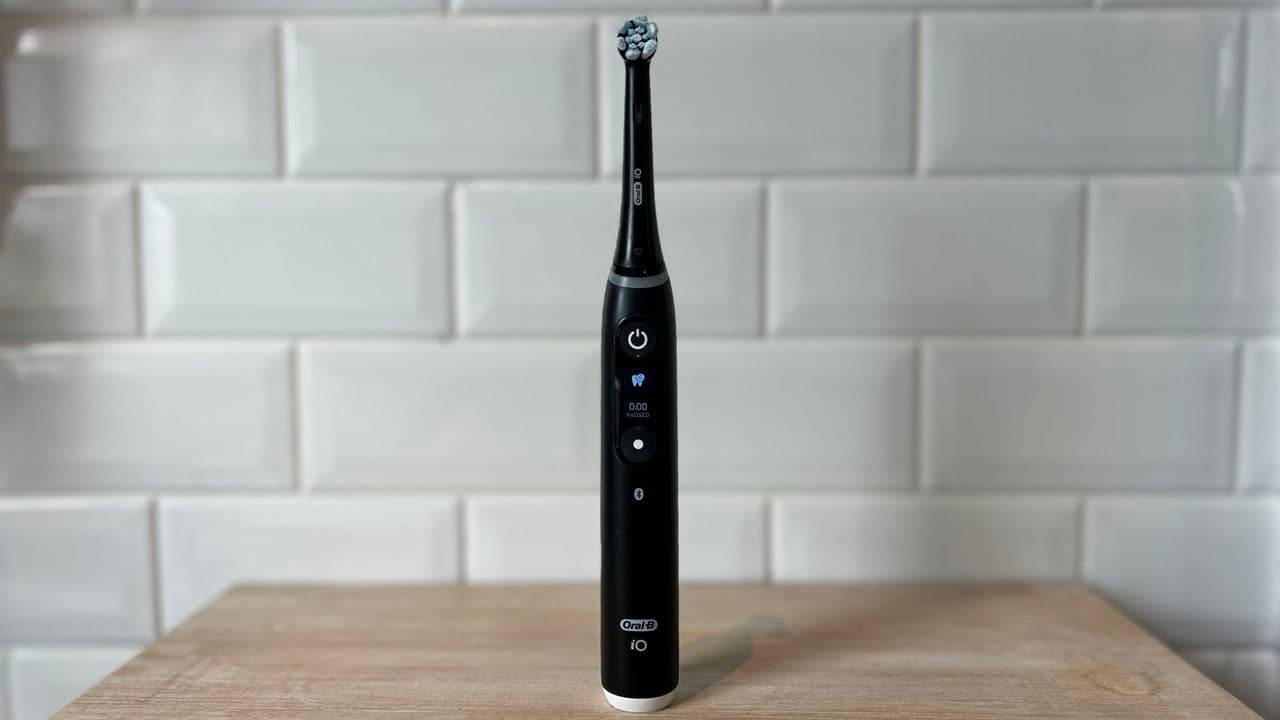
The Electric Toothbrush Travel Hack You Probably Don't Know About
If you've ever arrived at a hotel after a long journey, reached for your electric toothbrush, and found a flashing low-battery indicator staring back at you, you're not alone. It's one of the most frustratingly common travel mishaps — and yet it's almost entirely preventable. There's a surprisingly simple, little-known trick that frequent travelers swear by, and once you hear it, you'll wonder how you ever packed without it. The best part? It costs absolutely nothing and takes about three seconds to do.
Why Electric Toothbrushes Drain Faster When You Travel
Before diving into the hack itself, it helps to understand why electric toothbrushes seem to lose battery power so much faster on trips than they do at home. At home, most people charge their toothbrush in a dock between uses, keeping it topped up without ever thinking about it. On the road, that routine disappears entirely.
But there's another culprit that many people overlook: accidental activation. When an electric toothbrush is packed inside a toiletry bag or luggage, the power button can be pressed unintentionally by surrounding items, causing the brush to run continuously — sometimes for hours — completely undetected. By the time you reach your destination, the battery is partially or fully drained before you've even used it once.
This is especially problematic on long-haul flights, multi-day road trips, or any journey where your bag gets jostled around repeatedly. The vibrations alone can sometimes trigger certain toothbrush models to power on.
The Simple Hack: Flip the Brush Head
Here's the trick that seasoned travelers have been quietly using for years: before you pack your electric toothbrush, remove the brush head and store it separately. Then, place the handle in your bag on its own.
On many popular electric toothbrush models — including those from Oral-B and Philips Sonicare — removing the brush head disables the motor from activating fully, or at the very least reduces the risk of the unit running in your bag. On some models, the brush simply won't operate without the head attached, making accidental battery drain a non-issue.
An alternative version of this hack, useful if your brush head is difficult to remove, is to wrap a small piece of tape over the power button before packing. A strip of masking tape or even a folded sticky note placed over the button provides just enough resistance to prevent accidental activation during transit.
Other Smart Tips to Extend Electric Toothbrush Battery Life While Traveling
The brush head trick is the headline act, but there are several supporting habits that can make a real difference to how long your electric toothbrush lasts between charges on a trip.
Charge Fully Before You Leave
This sounds obvious, but it's easy to forget in the chaos of packing. Plug your toothbrush in the night before you travel and let it reach a full charge. Most modern electric toothbrushes, when fully charged, can last anywhere from one to three weeks with regular twice-daily use — more than enough for most trips, provided you're not losing power to accidental activation.
Use a Travel Case
Many electric toothbrushes come with a dedicated travel case, and if yours does, use it. These cases are designed to hold the brush securely, protecting both the head and the handle from the knocks and pressure that can trigger the power button. If you've lost or never had a travel case, a clean sock or a small zip-lock bag works as a budget-friendly substitute.
Avoid Storing It Near Heavy Items
Packing your toothbrush under a stack of shoes or wedged beneath a dense toiletry bag is essentially asking for trouble. The pressure from heavier items is a common cause of accidental button activation. Try to store your brush in an outer pocket or somewhere it has a little breathing room.
Be Selective About When You Charge on the Road
If you're on a longer trip and do need to charge, be mindful of how long you leave the brush plugged in. Overcharging isn't a serious concern with most modern lithium-ion batteries, but consistently charging in short, interrupted bursts can affect long-term battery health. Where possible, charge fully in one session rather than topping up in small increments.
Consider a Travel-Specific Electric Toothbrush
If you travel frequently, it may be worth investing in a compact travel electric toothbrush. Brands like Oral-B and Philips both offer slim, lightweight models designed specifically for travel, often with a more robust battery life relative to their size and a built-in protective cap over the button. These won't replace your at-home brush for feel and performance, but they're ideal for trips where simplicity matters.
Why This Hack Matters More Than You Think
Oral hygiene tends to slip when we travel. Routines get disrupted, we stay up later, eat differently, and sometimes skip brushing altogether out of fatigue. Having a fully functional electric toothbrush at your destination is a small but meaningful way to keep one healthy habit intact no matter where you are in the world.
The hidden electric toothbrush travel hack — removing the brush head or securing the power button before packing — is one of those rare tips that is completely free, takes no time at all, and makes a genuinely noticeable difference. Try it on your next trip and you'll almost certainly be grateful you did.
Final Thoughts
Great travel habits are built from dozens of small, smart decisions, and this is one of the smartest. Whether you're heading off on a weekend city break or a month-long adventure, taking three extra seconds to prep your electric toothbrush before it goes in your bag could save you from a frustrating, battery-dead situation at the worst possible moment. Pack smart, brush well, and enjoy the trip.