
Ford CEO Jim Farley Says Modern Cars Are Beyond the Home Mechanic's Reach
If you've ever popped the hood of a newer vehicle and felt overwhelmed by a maze of sensors, wiring harnesses, and computer modules, you're not alone. Ford CEO Jim Farley recently made headlines by openly stating that modern cars have simply become too complicated for the average home mechanic to repair. While his comments may have been intended as an honest observation about the state of automotive technology, they landed like a thunderclap in the ongoing debate over the right to repair — and they raise serious questions about what car ownership actually means in the 21st century.
What Did Jim Farley Actually Say?
During a widely discussed conversation, Farley acknowledged that the complexity of today's vehicles has outpaced the capabilities of traditional at-home repair. Modern cars are no longer just mechanical systems — they are rolling computers packed with advanced driver-assistance systems (ADAS), over-the-air software update infrastructure, electric powertrains, and proprietary diagnostic systems that require specialized tools and training to service correctly.
Farley's comments were notably candid. Rather than trying to spin the complexity as a consumer benefit, he essentially confirmed what many frustrated car owners and independent mechanics have been saying for years: the average person with a wrench and a repair manual can no longer do much of the work they once could on their own vehicle. For right to repair advocates, this wasn't a revelation — it was an admission.
Why This Matters: The Right to Repair Movement
The right to repair movement has been gaining momentum across multiple industries, from consumer electronics to agricultural equipment. At its core, the movement argues that people who own a product should have the legal right — and the practical ability — to repair it themselves or choose an independent repair shop, rather than being forced into manufacturer-controlled service channels.
In the automotive world, this debate has intensified as vehicles have become increasingly software-dependent. Automakers have been criticized for locking down diagnostic data, using proprietary connectors, and making it difficult or impossible for independent mechanics to access the tools needed to perform certain repairs. When a Ford CEO publicly confirms that modern cars are too complex for home repair, it effectively validates one of the movement's central arguments — while simultaneously raising the stakes for legislative action.
The Technology Behind the Complexity
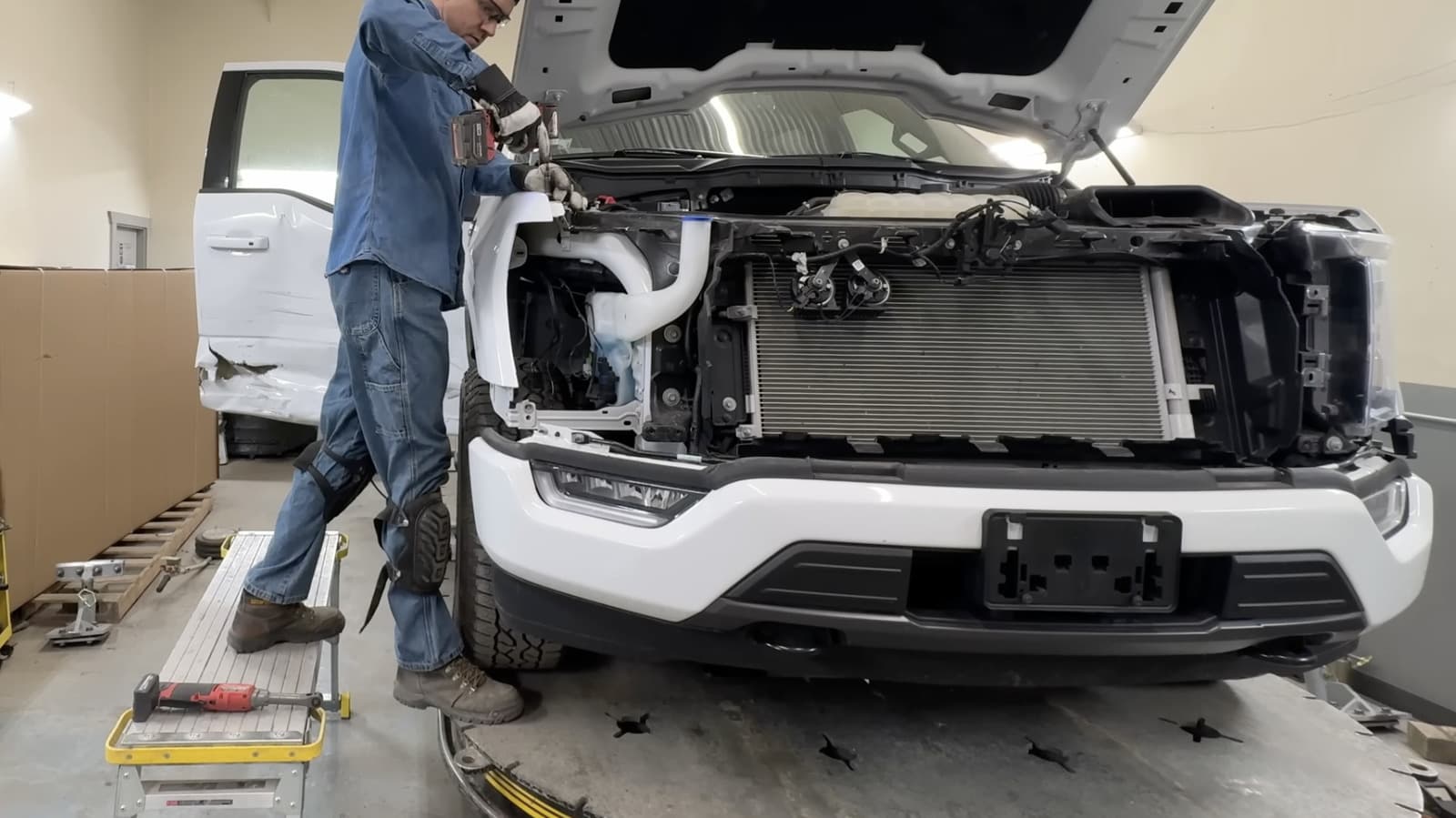
To understand why today's cars are so much harder to work on, it helps to look at what's actually under the hood — and inside the dashboard — of a modern vehicle. A contemporary automobile can contain upward of 100 electronic control units (ECUs), millions of lines of software code, and a deeply integrated network of sensors and actuators that communicate in real time.
Some of the key technologies driving this complexity include:
- Advanced Driver-Assistance Systems (ADAS): Features like automatic emergency braking, lane-keeping assist, and adaptive cruise control rely on a network of cameras, radar, and lidar that must be precisely calibrated after even minor repairs such as windshield replacement or bumper work.
- Electric and Hybrid Powertrains: High-voltage battery systems require specialized safety training and equipment. Even basic diagnostics on an EV powertrain demand proprietary software access that most independent shops don't have.
- Over-the-Air (OTA) Updates: Like smartphones, modern vehicles receive software updates remotely. This creates a moving target for mechanics, as the software controlling critical vehicle systems can change without warning.
- Telematics and Data Lock-In: Automakers collect vast amounts of vehicle data through onboard telematics systems. Access to this data — which is often essential for accurate diagnostics — is frequently restricted to authorized dealerships.
What This Means for Independent Mechanics and Consumers
The implications of Farley's comments extend well beyond the hobbyist in their garage. Independent repair shops, which have long served as an affordable alternative to dealership service centers, are increasingly finding themselves locked out of the tools and data they need to compete. When only authorized dealers can fully diagnose and repair a vehicle, consumers lose the freedom to shop for competitive repair pricing — and repair costs inevitably rise.
For everyday car owners, this shift can translate into significantly higher maintenance bills, longer wait times at dealerships, and a growing sense that the vehicle they purchased is not entirely their own to control. It also raises concerns about vehicle longevity — if repairs become prohibitively expensive or logistically difficult, more cars may end up scrapped prematurely, contributing to environmental waste.
Legislative Pressure Is Building
Farley's comments are unlikely to slow the legislative momentum around right to repair. Several U.S. states have introduced or passed right to repair legislation, and there is growing pressure at the federal level for automakers to provide independent shops and consumers with access to the same diagnostic tools and data that authorized dealers receive. The automotive industry has historically resisted such mandates, citing concerns about cybersecurity, safety, and intellectual property — but those arguments are becoming harder to sustain in the face of widespread consumer frustration.
The Bigger Picture: Who Really Owns Your Car?
Jim Farley's candid remarks inadvertently crystallized a broader cultural and legal question that will define the future of car ownership: when a vehicle is so complex that only its manufacturer can truly service it, does the person who paid for it really own it? Or are they simply licensing access to a product that remains, in all meaningful ways, under the manufacturer's control?
That question has no easy answer, but it is one that consumers, lawmakers, and the automotive industry will be wrestling with for years to come. The era of the home mechanic may not be entirely over, but thanks to the relentless march of automotive technology — and admissions like Farley's — it is undeniably under threat.