
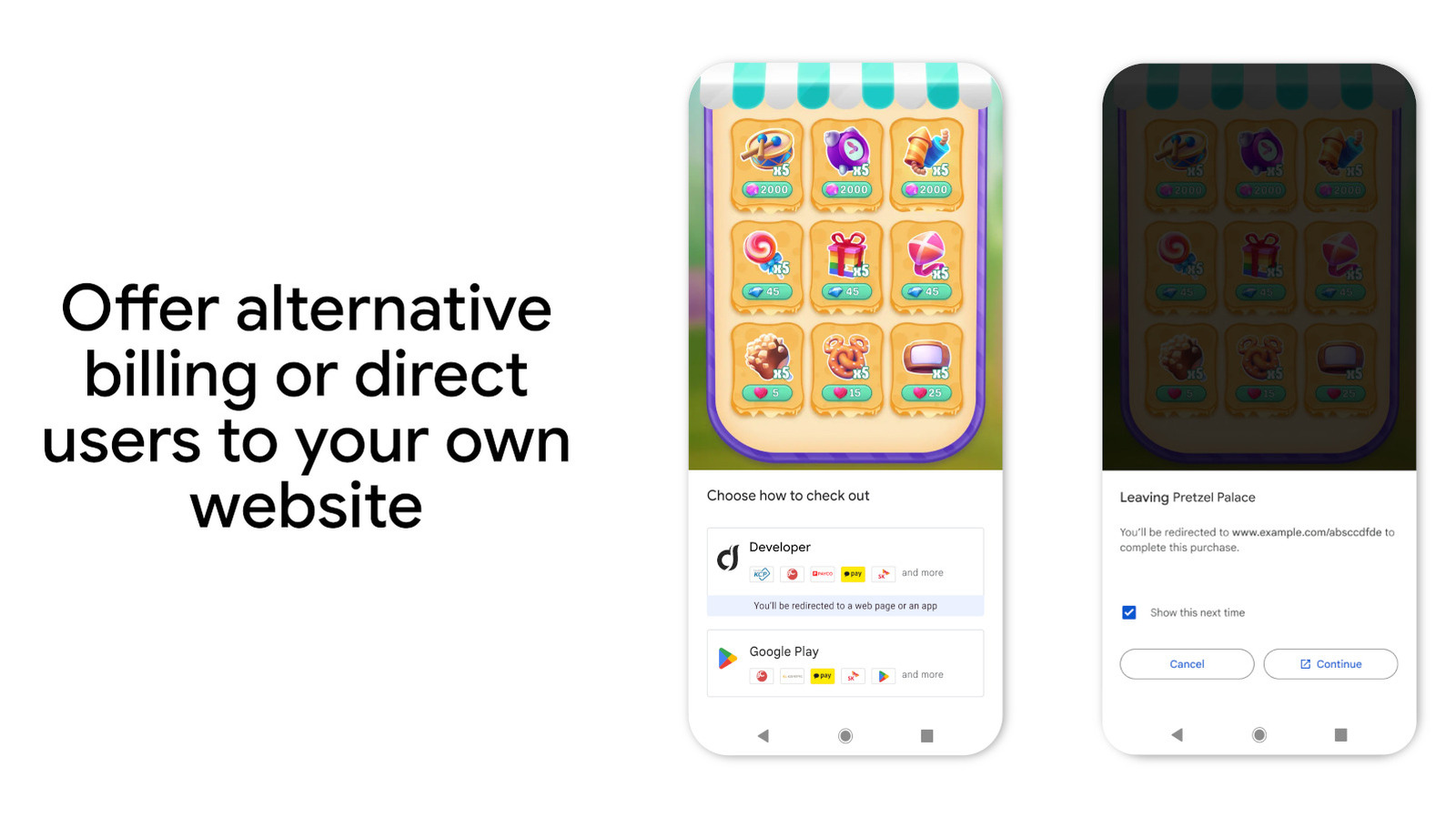
Google Play Store to Allow Outside Billing Starting June 30
In a significant shift for the mobile app economy, Google has announced that it will open the Play Store to outside billing systems starting June 30. Developers operating in the United States, the United Kingdom, and Europe will be permitted to offer users alternative payment methods beyond Google's own built-in billing system. This move marks a pivotal moment in the ongoing global conversation about app store competition, developer rights, and consumer choice — and it has major implications for everyone from indie developers to enterprise software companies.
What Exactly Is Changing?
For years, Google has required developers who distribute apps through the Play Store to use Google Play Billing as the exclusive payment processor for in-app purchases and subscriptions. This arrangement meant Google collected a service fee — typically between 15% and 30% — on all transactions processed through its platform. Developers had little flexibility to route payments through their own preferred processors or pass lower transaction fees on to consumers.
Starting June 30, that requirement is changing in key markets. Google will now allow developers to present users with an alternative billing option alongside Google Play Billing. In practice, this means that when a user goes to make a purchase inside an app, they may see a choice between paying through Google's system or through a developer's own billing infrastructure. This model, often referred to as a "user choice billing" system, gives both developers and consumers more flexibility in how digital transactions are handled.
Which Markets Are Affected?
The rollout is initially focused on three key regions:
- United States: The world's largest app economy will see this change take effect, giving American developers and consumers new payment flexibility within the Play Store ecosystem.
- United Kingdom: Following Brexit, the UK has been an increasingly active regulator of digital markets. Google's policy update aligns with ongoing regulatory scrutiny in the region.
- Europe: The European Union has been at the forefront of pushing for open digital markets, most notably through the Digital Markets Act (DMA). Google's expansion of alternative billing into European markets is consistent with compliance pressures from EU regulators.
It remains to be seen how quickly Google will extend this policy to other global markets, but the initial geographic scope covers some of the most economically significant app markets in the world.
Why Is Google Making This Change?
The timing and scope of this policy change don't exist in a vacuum. Google — along with Apple — has faced mounting regulatory and legal pressure over app store practices for several years. Antitrust investigations, landmark court cases, and sweeping new legislation have pushed both tech giants to reconsider the rules governing their app store ecosystems.
The European Union's Digital Markets Act, which formally came into force in 2022 and began applying obligations to major "gatekeeper" platforms in 2024, directly targets practices like mandatory use of a platform's own payment systems. In the US, litigation including the Epic Games v. Google lawsuit placed additional scrutiny on Google's billing policies. Allowing outside billing is, at least in part, a strategic response to this legal and regulatory environment.
Beyond compliance, Google has framed this move as a pro-developer, pro-consumer decision that fosters greater competition and innovation within its platform. By offering developers more flexibility, Google aims to position itself as a more open ecosystem compared to its competitors.
What Does This Mean for Developers?
For app developers, this change opens up meaningful new possibilities. The ability to use alternative billing systems can translate directly into lower payment processing fees, which in turn can improve profit margins or allow developers to offer more competitive pricing to end users. Developers who have long chafed under the constraints of mandatory platform billing now have a path to greater financial autonomy — at least in the affected markets.
However, developers should approach this transition with careful planning. Integrating an alternative billing system requires additional technical development work, user experience design, and compliance with local payment regulations. Developers will also need to ensure that their alternative billing flows meet Google's guidelines for user choice billing, including clear disclosure and a non-coercive presentation of payment options.
It's also worth noting that Google may still apply a reduced service fee even when transactions are routed through alternative billing systems, rather than waiving its fees entirely. Developers should review Google's updated fee structure carefully before making architectural decisions about their payment infrastructure.
What Does This Mean for Users?
For everyday Play Store users, the most noticeable change will be the potential appearance of payment choice screens within apps they use. Rather than being automatically directed to Google Pay or Google Play Billing, users in the US, UK, and Europe may be presented with a choice of how they'd like to pay. This can mean more payment method diversity, potentially lower prices if developers pass savings along, and greater transparency about where money is going when they make an in-app purchase.
Users should remain cautious, however, about the security and reliability of third-party billing systems. Google Play Billing comes with built-in consumer protections, dispute resolution processes, and fraud detection. When paying through an alternative system, users should verify that the developer's payment processor is reputable and that adequate purchase protections are in place.
The Bigger Picture: A Shifting App Store Landscape
Google's June 30 deadline is more than a policy update — it's a signal of where the entire app store industry is heading. Regulatory momentum in the US, EU, UK, and beyond is steadily pushing platforms toward greater openness. Apple has faced similar pressures, and the broader ecosystem of app distribution is evolving rapidly.
For developers, investors, and digital market observers, keeping a close eye on how Google implements and enforces its alternative billing policies will be critical in the months ahead. The real test will be whether this change meaningfully shifts economic power toward developers and consumers — or whether platform fees and policy complexity limit its practical impact.
One thing is clear: the era of the fully closed, single-billing app store is coming to an end, and Google's June 30 update is one of the most concrete steps yet toward a more competitive digital marketplace.