
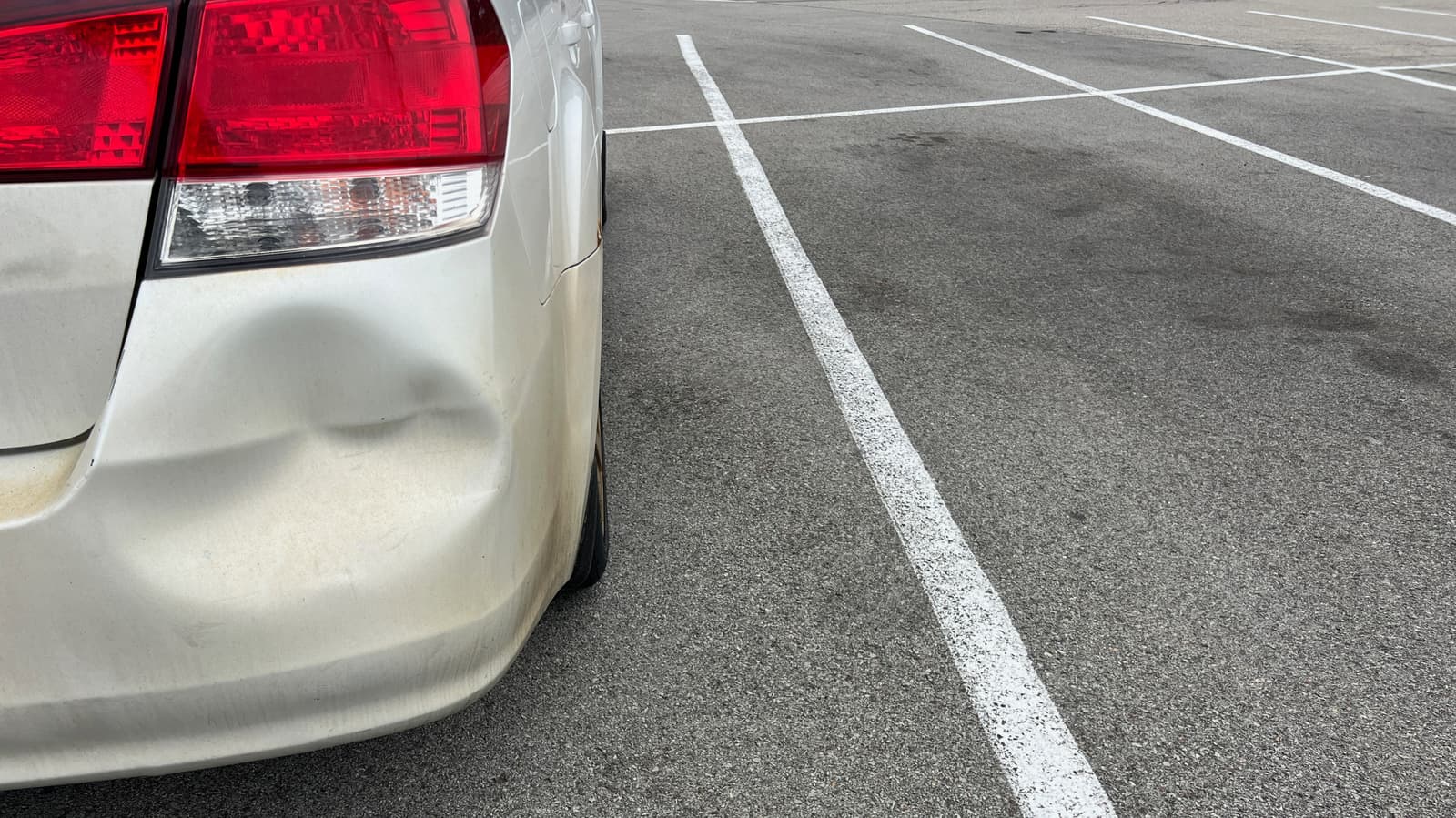
Las Vegas Hit-And-Run Reports Are Surging — Here's Why
If you've been following local news out of Nevada lately, you may have noticed an alarming trend: hit-and-run incidents in Las Vegas are being reported at a significantly higher rate than in previous years. Las Vegas Metropolitan Police Department officers are now investigating far more of these cases than they once did, and the numbers are raising eyebrows across the state. However, before panic sets in, it's important to understand the full picture — because a recent and meaningful change to Nevada's traffic laws is playing a major role in shaping what these statistics actually mean.
Understanding the Spike: More Reports, But What's Really Happening?
At first glance, a dramatic rise in hit-and-run incidents sounds deeply troubling. After all, leaving the scene of an accident is not only illegal — it's a serious public safety issue that can leave injured victims stranded without help and at-fault drivers escaping accountability. But the surge in reported cases in Las Vegas isn't simply the result of more reckless drivers hitting vehicles and fleeing the scene. A legislative shift at the state level is fundamentally changing how these incidents are categorized, tracked, and reported.
Nevada lawmakers introduced a change to the state's traffic laws that has directly impacted how law enforcement classifies and handles certain types of accidents. The new framework means that incidents which may not have previously qualified as official hit-and-runs under the old definitions are now being captured and counted within that category. As a result, the Las Vegas Metropolitan Police Department is processing a substantially larger volume of cases — not solely because drivers are behaving worse, but because the legal net has been cast more broadly.
What Nevada's Traffic Law Change Actually Means
Nevada's updated traffic statutes reflect a growing national effort to close loopholes that once allowed drivers to avoid accountability after causing property damage or injury without stopping. The revised law expands the scope of what constitutes a reportable hit-and-run incident, ensuring that a wider range of collisions and damages are brought to the attention of law enforcement rather than quietly ignored or handled informally between parties.
Under previous rules, some minor accidents — particularly those involving only property damage with no clear witnesses or victims present — might have gone unreported entirely or been categorized differently. The updated Nevada law tightens these definitions, creating a clearer obligation for drivers to stop, exchange information, and report the incident. When they don't, it now more consistently falls under the hit-and-run umbrella, triggering a formal investigation by police.
This kind of legal clarification serves an important purpose. It not only creates stronger deterrents for drivers who might otherwise consider fleeing a minor fender-bender, but it also generates better data for traffic safety researchers and city planners who rely on accurate incident reports to address dangerous roadways and intersections.
The Impact on Las Vegas Law Enforcement
For the Las Vegas Metropolitan Police Department, the change has translated directly into a heavier investigative workload. Officers are now fielding and formally investigating a significantly greater number of hit-and-run complaints than before the law took effect. This places real demands on departmental resources, requiring additional time, personnel, and coordination to properly process each case.
While the surge in reports is partially a statistical artifact of the new legal definitions, it also reflects genuine public awareness. As the law becomes more widely understood, more victims — whether their parked cars were clipped in a parking lot or they were involved in more serious collisions — are coming forward to file official reports rather than simply moving on. This cultural shift toward reporting is ultimately a positive development for road safety and driver accountability in Nevada.
Why Hit-And-Run Incidents Remain a Serious Problem
Regardless of the legislative nuances behind the current statistics, hit-and-run accidents remain one of the most dangerous and irresponsible behaviors a driver can engage in. In cases involving injury, fleeing the scene can mean the difference between life and death for a victim who desperately needs immediate medical attention. Even in property-damage-only incidents, victims are left dealing with repair costs and insurance complications entirely on their own when the responsible party disappears.
- Hit-and-run accidents cost victims thousands of dollars in unrecovered damages each year, particularly when the at-fault driver is never identified.
- Injured victims are at far greater risk of serious complications when first responders are delayed due to a late report caused by a fleeing driver.
- Uninsured and underinsured motorist coverage is frequently the only financial protection available to victims of hit-and-run crashes, underscoring the importance of adequate auto insurance.
- Surveillance cameras, doorbell cameras, and witness smartphone footage have dramatically improved police success rates in identifying hit-and-run drivers in urban areas like Las Vegas.
What Drivers in Nevada Need to Know
With the law now clearly expanded, Nevada drivers have every reason to understand their legal obligations in the event of an accident. If you are involved in any collision — regardless of how minor it may seem — Nevada law requires you to stop your vehicle, render reasonable assistance if anyone is injured, and exchange contact and insurance information with any other involved parties. If no one is present, such as when a parked vehicle is damaged, you are required to leave your contact information and notify law enforcement.
Failing to follow these steps is no longer a gray area in Nevada. The law is explicit, enforcement is increasing, and the consequences of leaving the scene — including criminal charges, license suspension, and civil liability — are severe.
The Bigger Picture for Road Safety in Las Vegas
Las Vegas is a high-traffic metropolitan area that sees millions of visitors and residents on its roads every year. Ensuring that drivers are held accountable for their actions behind the wheel is a critical component of keeping those roads safe for everyone. The recent uptick in hit-and-run reports, while startling on the surface, ultimately signals a more transparent and accountable traffic enforcement environment in Nevada — one that benefits pedestrians, cyclists, and drivers alike.
As law enforcement agencies adapt to the new reporting standards and the public becomes more familiar with the updated rules, the data emerging from Las Vegas will paint an increasingly accurate picture of what's actually happening on the city's streets. That transparency, even when the numbers look alarming, is exactly the kind of foundation needed to build smarter, safer communities.