
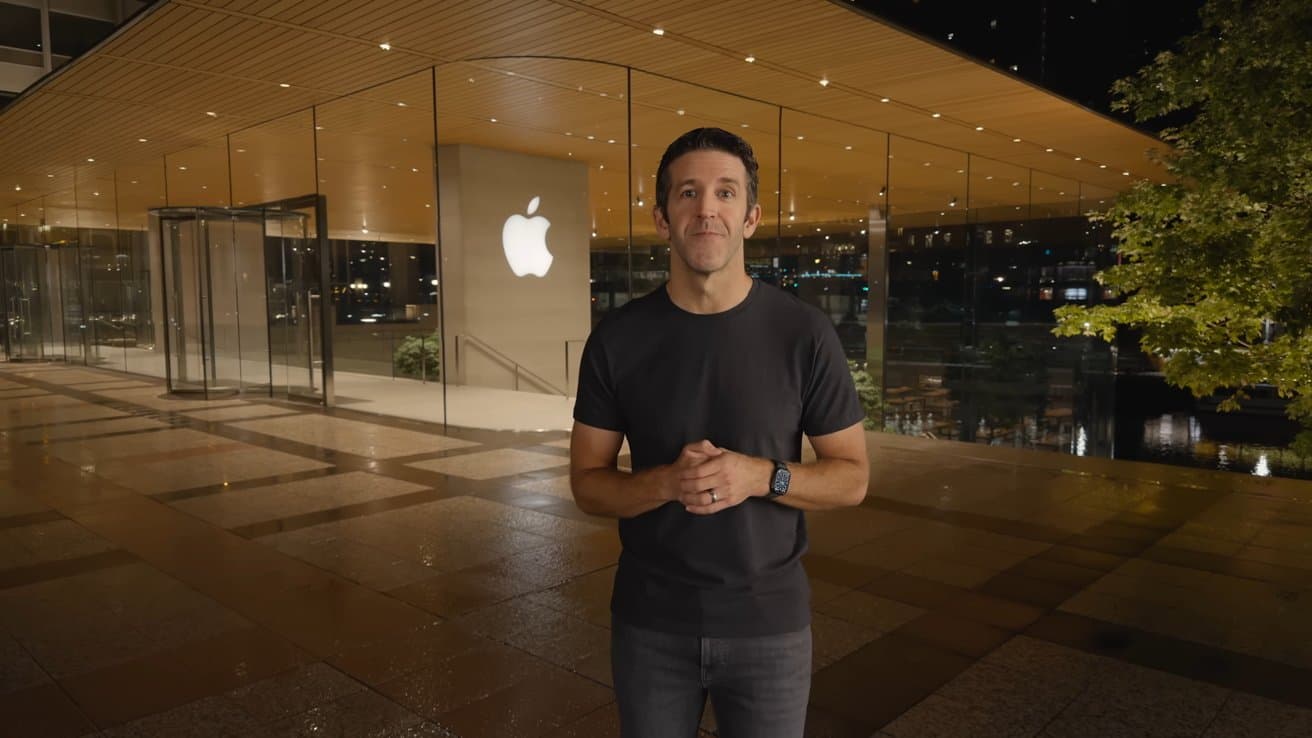
John Ternus Takes the Helm: Apple's Next Chapter Begins With Design
When Apple eventually transitions leadership from Tim Cook to John Ternus, the tech world will be watching closely. Ternus, who has spent decades embedded in Apple's hardware engineering and product development culture, has already signaled what his tenure as CEO will prioritize: design. But as reports begin to speculate about possible shake-ups within Apple's storied design team, a key question is emerging — is Ternus preparing to fix something that isn't broken?
Who Is John Ternus and Why Does His Background Matter?
John Ternus has quietly been one of Apple's most important executives for years, leading the company's hardware engineering division and becoming a familiar face at major product launch events. Unlike some tech CEOs who come from finance, marketing, or software backgrounds, Ternus is a product person at heart. He thinks in terms of physical objects, materials, tolerances, and tactile experiences — the very vocabulary of Apple's design legacy.
His rise to CEO-apparent accelerated significantly in January 2026, when he assumed control of Apple's design team in addition to his hardware engineering responsibilities. That move alone told a story: Apple's board wasn't just grooming a competent operations manager to replace Tim Cook. They were elevating someone who sees design not as a department, but as a discipline that should permeate every decision the company makes.
In remarks to staff that have since been reported by Bloomberg, Ternus made his philosophy explicit: Apple will "keep focusing on design, because design is core to what we do in Apple." It's a statement that sounds simple but carries enormous weight for a company that has built one of the most valuable brands in history on the back of objects people genuinely love to hold, use, and look at.
Apple's Design Legacy: A Foundation Built by Jony Ive
To understand why Ternus's design-first stance resonates so deeply, it helps to look back at how central design has always been to Apple's identity. During the Steve Jobs era, the partnership between Jobs and chief design officer Jony Ive produced some of the most iconic consumer products ever made — the original iMac, the iPod, the iPhone, and the MacBook Air, among others. Design wasn't decoration; it was strategy.
When Ive departed Apple in 2019, questions swirled about whether the company could maintain that design-driven culture. Tim Cook, a supply chain genius, kept the machine running flawlessly and expanded Apple's services empire enormously. But critics occasionally suggested that Apple's design had become more iterative and less revolutionary in the post-Ive years.
Ternus stepping into a dual role overseeing both hardware engineering and design is widely seen as Apple's answer to that criticism — and his stated commitment to keeping design central suggests he intends to take that responsibility seriously rather than treat it as an inherited obligation.
The Bloomberg Report and Questions About a Design Team Shake-Up
Despite Ternus's reassuring words about design continuity, at least one report has suggested that his emphasis on design could actually translate into significant structural changes within the design team itself. The logic, loosely stated, is that a new CEO focused on reinvigorating design might reshuffle personnel, processes, or priorities to put his own stamp on the function.
This is where the "fixing something that isn't broken" concern comes in. Apple's design team, whatever its perceived shortcomings in the post-Ive years, has continued to produce products that sell in extraordinary volumes and earn enormous critical praise. The Apple Vision Pro, for all its commercial challenges, was widely acknowledged as a remarkable feat of industrial design. Recent Mac and iPhone hardware has drawn consistent praise for its build quality and material choices.
Disrupting a team that is functioning at a high level — even in the name of improvement — carries real risks. Design culture is notoriously difficult to build and easy to damage. Key talent can walk out the door. Creative momentum can stall. And in a competitive landscape where Samsung, Google, and a resurgent wave of Chinese hardware makers are all investing heavily in premium design, Apple cannot afford extended periods of internal turbulence.
What a Design-Focused CEO Could Mean for Apple Products
If Ternus manages the transition thoughtfully, there are compelling reasons to be optimistic. A CEO who genuinely understands and cares about design — rather than one who views it as a cost center or a marketing asset — could push Apple toward bolder product decisions. Consider some potential implications:
- Hardware innovation cycles: Ternus may be willing to invest more aggressively in new form factors, materials, and interaction models rather than relying solely on internal component upgrades to drive product refreshes.
- Software and hardware cohesion: One of Apple's enduring advantages is how tightly its software and hardware work together. A design-obsessed CEO could push for even tighter integration, ensuring that the visual and tactile experience of using an Apple device feels more unified than ever.
- The Vision Pro and spatial computing: Apple's spatial computing platform remains in its early innings. A CEO with deep hardware design credentials and a design-first philosophy could be exactly the right person to push that platform forward at a time when it desperately needs a compelling second act.
- Services and design: Even Apple's services layer — the App Store, Apple Music, Apple TV+, and others — could benefit from a CEO who insists that design thinking apply not just to physical products but to every digital surface a customer touches.
Balancing Legacy With Leadership
Every incoming CEO faces the same fundamental tension: how much do you change, and how much do you preserve? Tim Cook's genius was recognizing that his job was not to be Steve Jobs, but to build the operational infrastructure that could sustain Jobs's vision at global scale. Ternus faces a similarly nuanced challenge — he must honor Apple's design heritage while also making clear that he is leading the company forward, not merely curating its past.
The smartest path for Ternus is likely one of evolution rather than revolution. Reinforce Apple's commitment to design excellence. Invest in talent. Create the conditions for bold creative work. But resist the temptation to make dramatic structural moves simply to signal change. The best design, after all, looks inevitable in hindsight — and so does the best leadership.
The Verdict: Proceed With Purpose, Not Disruption
John Ternus's focus on design as a cornerstone of his Apple CEO tenure is both appropriate and encouraging. Apple is, above all else, a design company — and having a leader who understands that at a deep, experiential level is a genuine asset. The concern raised by recent reporting is not that Ternus cares about design, but that an eagerness to put his mark on the function could lead to unnecessary disruption of a team that, by most measures, is still performing at an elite level.
The best thing Ternus can do for Apple's design future is set a clear vision, back it with resources, protect the culture that makes great design possible — and then get out of the way and let talented people do their best work. If he does that, the question of whether he is fixing something that isn't broken will answer itself. And the answer will be a resounding no.