
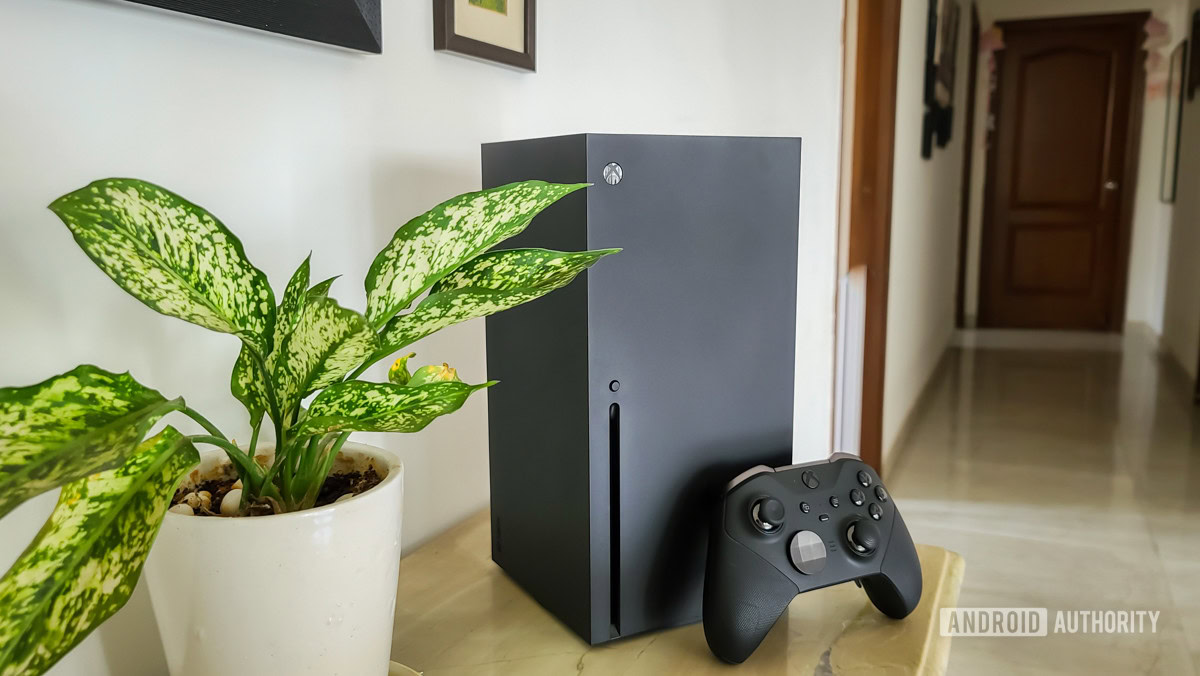
Microsoft's Xbox Price Hike Is Coming — And It's Going to Sting
Microsoft has never been shy about making bold moves in the gaming industry, but its latest announcement has left consumers and industry analysts alike raising their eyebrows. Starting August 1, 2026, Xbox console prices are going up — and not by a small amount. Depending on which model you own or are planning to buy, you could be looking at spending anywhere from $100 to $150 more than you would today. For a gaming market already feeling the squeeze of economic pressures, this is a significant blow.
To make matters worse, Microsoft has also announced it will be discontinuing its 2TB Xbox models entirely, leaving consumers with fewer options at a time when storage demands for modern games are higher than ever. So what's really going on, and just how painful is this price increase going to be for everyday gamers? Let's break it all down.
The Full Breakdown of the Xbox Price Increases
Microsoft has confirmed the following changes taking effect on August 1, 2026:
- The 512GB Xbox models will see a price increase of $100.
- The 1TB Xbox models will jump by a staggering $150.
- The 2TB Xbox models will be discontinued entirely, removing the highest-storage option from the lineup.
These are not minor adjustments. A $100 to $150 increase on hardware that was already considered premium-priced puts Xbox consoles into a significantly higher price bracket than many budget-conscious gamers are comfortable with. And pulling the 2TB option off the shelves adds insult to injury for those who had been eyeing that model as their next upgrade.
Why Is Microsoft Raising Xbox Prices?
While Microsoft has not given a detailed public explanation for the specific dollar amounts attached to these increases, the broader context tells a clear story. The global component supply chain has been under serious stress for years, and that pressure hasn't fully eased. Manufacturing costs for semiconductors, storage chips, and other critical hardware components continue to fluctuate — and those costs inevitably trickle down to the consumer.
Tariff pressures and international trade complications have also added layers of expense for hardware manufacturers operating at a global scale. Microsoft, like many of its competitors, sources components and assembles hardware across multiple countries. Any disruption or added cost in that chain has a direct impact on the final retail price.
Additionally, currency exchange rates and regional inflation have made it harder for companies like Microsoft to maintain stable global pricing. Rather than absorb these costs indefinitely, they are passing them on — and consumers are left holding the bill.
What Does This Mean for the Console Market?
The timing of this announcement is particularly significant because Microsoft is not operating in a vacuum. The broader gaming console market is becoming increasingly competitive, and price is one of the most decisive factors for consumers when choosing between platforms.
Sony's PlayStation 5 and its successors remain a major competing force, and PC gaming continues to attract players who want flexibility and long-term value. Valve's Steam Machine also recently entered the conversation with its own ambitious pricing. If Microsoft's Xbox becomes substantially more expensive without a clear corresponding jump in value, there is a very real risk that fence-sitters will choose a competing platform — or opt out of console gaming altogether in favor of subscription-based cloud gaming or mobile gaming options.
It's also worth noting that Microsoft has been investing heavily in its Xbox Game Pass ecosystem as a way to drive recurring revenue. Higher hardware prices could actually accelerate that shift — making console ownership feel less accessible and pushing more users toward streaming and subscription-based gaming. That might be a calculated move on Microsoft's part, but it's a gamble that could alienate the traditional hardware-buying base that has supported Xbox for decades.
The Discontinuation of the 2TB Model Is a Big Problem
Beyond the raw price increases, the elimination of the 2TB Xbox model deserves its own spotlight. Modern AAA games are enormous. Titles routinely demand 80GB, 100GB, or even more than 150GB of storage space. Players who own multiple games simultaneously — or who download games through Game Pass — find themselves constantly managing storage, deleting and reinstalling titles just to keep things playable.
The 2TB model existed precisely to address this problem. Removing it from the lineup doesn't just cut a premium option — it forces even the most storage-hungry users to choose between a smaller internal drive or invest in external storage solutions, which come with their own additional costs. For anyone who was waiting to upgrade to the 2TB model, the window has now closed, and the alternatives are less convenient and potentially more expensive in the long run.
How Should Gamers Respond to the Xbox Price Hike?
If you've been on the fence about purchasing an Xbox console, the most obvious advice is to act before August 1, 2026. Buying at current prices could save you between $100 and $150 — money that could go toward games, accessories, or a Game Pass subscription instead. The 2TB model, in particular, should be prioritized if you know you need the storage, since it will no longer be available after the discontinuation.
For gamers who aren't in a rush, this is also a good moment to honestly evaluate whether Xbox is the right platform investment going forward. Compare the total cost of ownership across platforms, factor in the games you care about, and consider what subscription services are available to you. A $150 price increase may not seem like the end of the world in isolation, but combined with rising game prices, subscription fees, and accessory costs, the cumulative financial weight of being an Xbox gamer is growing heavier by the year.
The Bottom Line
Microsoft's Xbox price hike is real, it's significant, and it will hurt — particularly for mid-range and budget-conscious gamers who were already stretching to justify console ownership. The removal of the 2TB option compounds the frustration, leaving consumers with fewer choices and less value for their money. Whether this move proves to be a strategic miscalculation or a necessary business adjustment, one thing is certain: the gaming landscape just became a little more expensive for Xbox fans, and the ripple effects on the broader console market will be worth watching closely in the months ahead.