
Google Pixel Audio Memory: A Major Leap Beyond Song Recognition
If you own a Google Pixel smartphone, you already know the quiet magic of Now Playing — that always-on feature that effortlessly identifies the song playing in your environment without you even having to ask. It works in the background, silently, and with an almost uncanny accuracy that has become one of the most beloved differentiators of the Pixel lineup. But according to recent reports and app teardown findings, Google appears to be preparing something far more ambitious than simple song identification. The company seems to be developing a feature called Pixel Audio Memory, which could transform the way users interact with sound on their devices altogether.
What Is Now Playing and Why Does It Matter?
Before diving into what Audio Memory could become, it helps to understand the foundation it's built on. Now Playing is a feature exclusive to Google Pixel devices that uses an on-device machine learning model to continuously listen for and identify music playing nearby. Unlike services such as Shazam, Now Playing works entirely offline, recognizing songs from a compressed database stored locally on the phone. This means no data is sent to Google's servers, and identifications happen almost instantly.
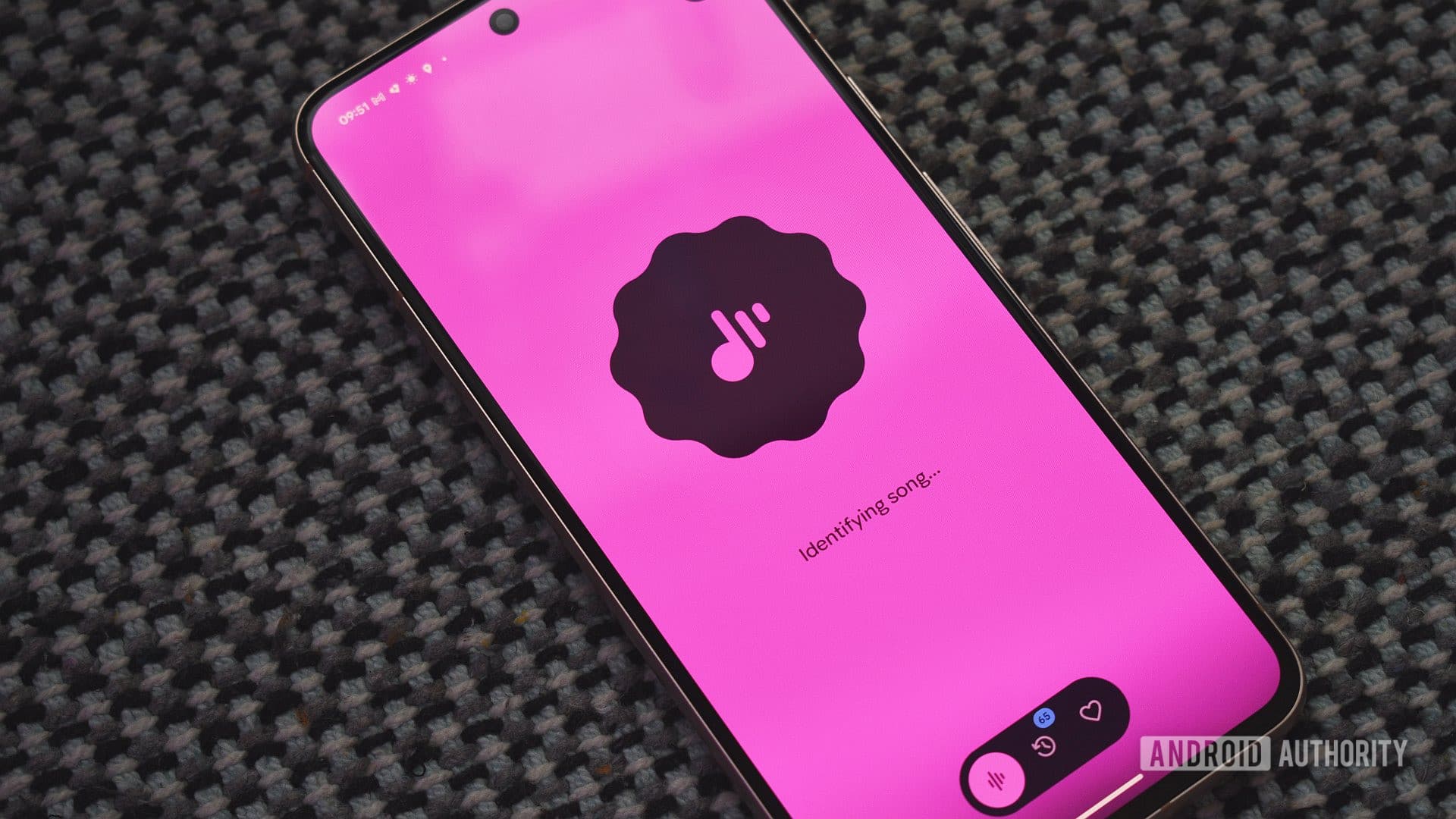
Google recently took Now Playing a significant step further by releasing it as its own dedicated standalone app, giving users a richer interface to browse their song history, revisit past identifications, and engage more deeply with the feature. That standalone launch was already considered a meaningful upgrade — but it may have only been the beginning of a much larger vision.
Introducing Audio Memory: What We Know So Far
Based on early signals from app teardowns and code analysis, Google appears to be working on expanding Now Playing's capabilities into a broader system called Audio Memory. Rather than simply recognizing songs and logging them, Audio Memory is being described as a tool that could capture and track a much wider range of audio experiences — including conversations.
This distinction is significant. While song ID is a passive, music-focused utility, the ability to track and recall conversations would elevate Audio Memory into an entirely different category: an intelligent, ambient note-taking assistant. Imagine being in a meeting, a lecture, or even a casual conversation and having your Pixel quietly log the key audio moments for later review. That's the kind of functionality that Audio Memory appears to be teasing.
Audio Memory as a Note-Taking Tool
The note-taking angle is particularly intriguing. In an era where AI assistants and productivity tools are rapidly converging, the idea of your smartphone passively building a memory of meaningful audio moments throughout your day is both compelling and thought-provoking. Google's existing ecosystem — with tools like Google Keep, Recorder, and Assistant — already touches on parts of this experience, but Audio Memory could weave these threads together in a seamless, always-available package.
Consider how this could work in practice:
- You attend a brainstorming session and your Pixel quietly logs the discussion, creating a searchable audio memory you can reference later.
- You hear an inspiring podcast segment while commuting, and Audio Memory bookmarks that moment automatically.
- A song triggers a memory, and the feature links both the audio ID and a personal note together in a unified timeline.
While these scenarios remain speculative at this stage, they align closely with the direction suggested by the early feature signals Google has embedded in its apps. The overlap between song recognition, conversation tracking, and note-taking points toward a unified audio intelligence layer for Pixel devices.
On-Device and Off-Device Recognition
One of the most technically interesting aspects of Audio Memory is its reported ability to recognize audio both on and off your device. Current Now Playing functionality focuses primarily on ambient audio — sounds happening around you in the physical world. But extending recognition to audio playing directly from your phone opens up a new range of possibilities, from identifying songs in videos and social media reels to logging content you're actively consuming.
This dual-mode recognition approach would make Audio Memory significantly more versatile than its predecessor, creating a richer and more complete picture of a user's daily audio landscape. For those who consume a high volume of media or attend frequent meetings, the value proposition is clear.
Privacy Considerations to Keep in Mind
Of course, any feature that involves continuous audio monitoring will inevitably raise privacy questions, and rightly so. Google's Now Playing has always been applauded for its on-device processing model, which keeps data local and away from Google's cloud. Whether Audio Memory maintains that same privacy-first approach — especially for something as sensitive as conversation tracking — will be one of the most critical details to watch as the feature develops.
Google has historically been transparent about Now Playing's privacy architecture, and users will reasonably expect the same level of clarity and control for any expanded audio features. Robust opt-in settings, clear data handling disclosures, and granular user controls will be essential for building trust around a feature this powerful.
What This Means for the Future of Pixel
Audio Memory, if it arrives in the form being suggested, would represent one of the most meaningful hardware-software differentiators Google has introduced in years. Pixel devices have long competed on camera quality and timely software updates, but a truly intelligent, ambient audio intelligence layer would be genuinely difficult for competitors to replicate quickly — especially given the on-device machine learning expertise Google has poured into Now Playing over the years.
As Google continues to push its Pixel lineup as the definitive Android experience, features like Audio Memory reinforce the idea that the best Pixel capabilities are not just about specs — they're about subtle, intelligent tools that make everyday life a little easier without demanding your attention to do so.
Final Thoughts
Google's Now Playing has always been one of those features that Pixel owners quietly rave about to anyone who will listen. The potential evolution into a full Audio Memory system — complete with conversation tracking and note-taking capabilities — suggests that Google is thinking much bigger about what ambient audio intelligence can do for users. While the feature is still in early development and details remain limited, the direction is exciting. Keep an eye on future Pixel updates, because Audio Memory could soon become the next must-have reason to choose a Google Pixel smartphone.