
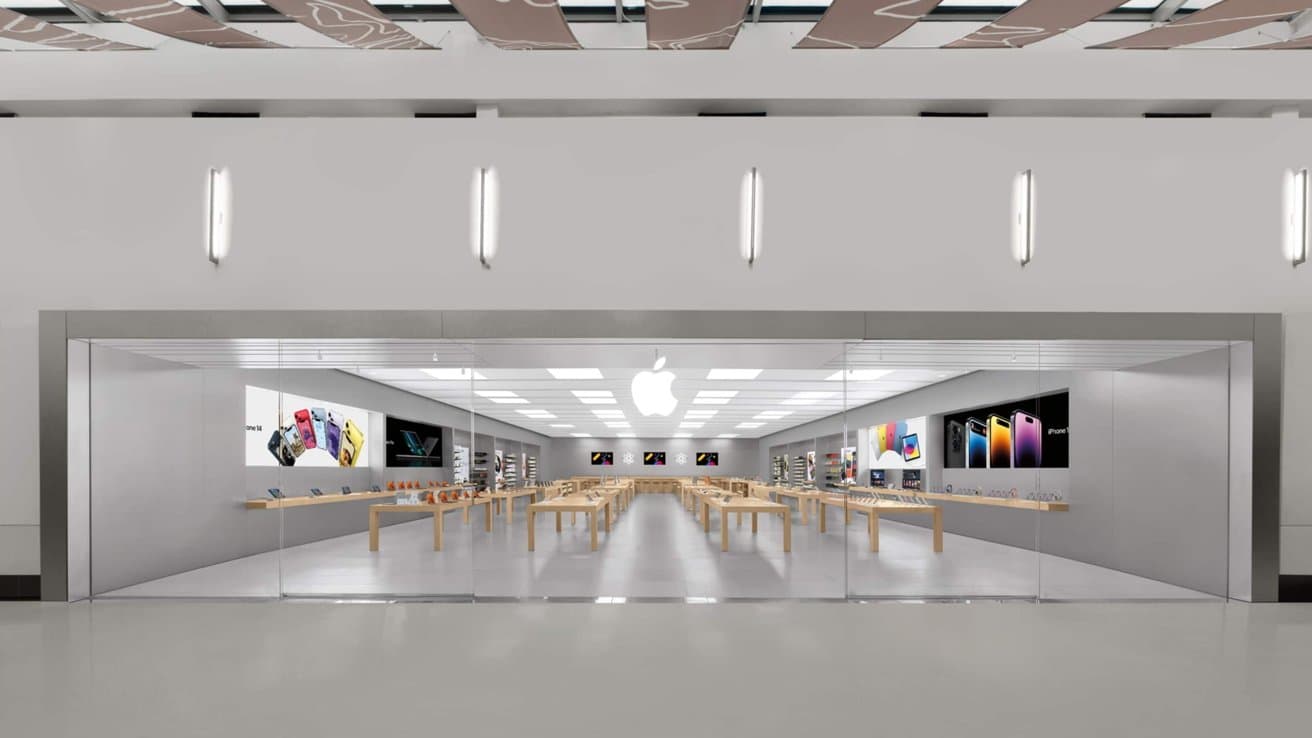
Apple Faces Growing Pressure Over Closure of Its First Unionized Store
The clock is ticking for the employees at Apple's Towson, Maryland location. On June 20, 2026, the store — historically significant as the first Apple Store ever to vote in favor of unionization — will permanently close its doors. While Apple has cited the store's location inside a failing mall as the primary reason for the shutdown, the backlash has been swift and increasingly loud. From members of Congress to the Mayor of Baltimore, voices across the political spectrum are demanding that Apple do more to protect the workers left behind by this closure.
Why the Towson Store Closure Is Different From the Others
Apple is closing three stores in June 2026, and all three share a common thread: they are located in malls that have struggled commercially in recent years. On the surface, this might seem like a straightforward business decision — a company trimming underperforming real estate from its portfolio. But the Towson closure carries a weight that the other two do not.
The Towson Apple Store was the first in the company's history to successfully vote in favor of employee unionization, a milestone that made national headlines in 2022. That distinction has turned what might otherwise be a routine retail closure into a flashpoint for broader conversations about labor rights, corporate accountability, and how Apple treats its organized workforce. Critics argue that closing this particular store, without offering its employees meaningful relocation or transfer options within the region, sends a troubling message to workers who chose to exercise their right to collectively bargain.
The Mayor of Baltimore Speaks Out
The latest high-profile voice to enter the conversation is Baltimore Mayor Brandon M. Scott, who shared an official statement on social media calling on Apple to reconsider its approach. First reported by 9to5Mac, the mayor's statement echoes the concerns that have been building for months. He urged Apple to take one of three paths forward: keep the store open, provide employees with legitimate transfer opportunities within the region, or otherwise demonstrate a concrete commitment to the workers who built the Towson location's legacy.
Mayor Scott's statement is notable not just for its content but for its timing. Coming just days before the scheduled closure, it reflects a community unwilling to quietly accept what many perceive as retaliation — or at best, indifference — toward a unionized workforce. Baltimore's local economy, its residents, and its political leadership have a stake in how major corporations treat workers within city limits, and the mayor's intervention signals that Apple's handling of this situation is being watched closely at the civic level.
Congress Has Also Weighed In
Mayor Scott is far from alone. Earlier in June, a letter signed by 40 members of Congress was sent directly to Apple's CEO, siding with the Towson union and calling for better treatment of the affected employees. That level of Congressional attention is unusual for a retail store closure and underscores just how politically charged the Towson situation has become.
The letter from Congress laid out the same core demands now being echoed by the mayor: Apple should either reverse the closure decision, offer meaningful transfer opportunities to comparable positions within a reasonable geographic area, or provide other substantive support that goes beyond a standard severance package. What workers and their advocates are pushing back against, most fundamentally, is the perception that the closure is being used as a way to dissolve a unionized workforce without having to engage with it directly.
An Unfair Labor Practice Charge Already Filed
The workers themselves have not been passive. Following the closure announcement in April 2026, the Towson Apple Store union filed an Unfair Labor Practice charge, alleging that the decision to close — and particularly the lack of transfer options offered — constituted unfair treatment connected to their union status. The charge adds a formal legal dimension to what has primarily been a public pressure campaign, and it could have lasting implications depending on how labor regulators respond.
Apple has not publicly acknowledged any connection between the store's union status and the closure decision, maintaining that it is purely a real estate matter. But the union's charge, combined with the wave of political pressure, has ensured that the company's explanation has not gone unchallenged.
What Apple Could Do — and What Workers Are Asking For
At the heart of this dispute is a relatively simple question: what options are Apple Towson employees being given? According to advocates, the transfer opportunities made available have not been practical for most workers. Positions offered are reportedly not within a reasonable commute from the Baltimore area, effectively making them inaccessible to employees with roots in the community.
- Keeping the Towson store open, potentially in a new location outside the failing mall
- Offering genuine regional transfer options to comparable Apple Store positions in or near Baltimore
- Providing enhanced severance or support packages that reflect the workers' tenure and unique circumstances
These three options have been consistently raised by the mayor, by Congress, and by the union itself. Whether Apple will act on any of them before June 20 remains to be seen.
A Defining Moment for Apple's Labor Relations
The Towson closure is shaping up to be one of the most scrutinized labor events in Apple's recent corporate history. The company built its retail brand on the idea of a premium, human-centered experience — and its store employees have always been central to that identity. How Apple chooses to handle the final days of its first unionized store, and what it offers the workers caught in the middle, will likely define conversations about its labor practices for years to come. With the mayor of Baltimore, members of Congress, and an active union all applying pressure simultaneously, Apple is running out of time — and excuses.