
FDA Clears a Second Fly Species for Maggot Wound Therapy — What This Means for Modern Medicine
In a development that sounds like it belongs in a science fiction novel but is firmly grounded in clinical reality, the U.S. Food and Drug Administration (FDA) has cleared a second fly species for use in maggot wound therapy. Singapore-based Cuprina Holdings announced the clearance of Lucilia cuprina — commonly known as the Australian sheep blowfly — under the commercial name MediFly Maggots. The move marks a significant milestone in the growing field of biosurgery and positions Cuprina as a potentially dominant force in the global maggot therapy market.
What Is Maggot Wound Therapy?
Maggot wound therapy, also known as maggot debridement therapy (MDT) or biosurgery, is a form of medical treatment that uses live, sterile fly larvae to clean non-healing wounds. The practice may seem unconventional, but it has been used in medicine for centuries and gained renewed scientific credibility over the past few decades.
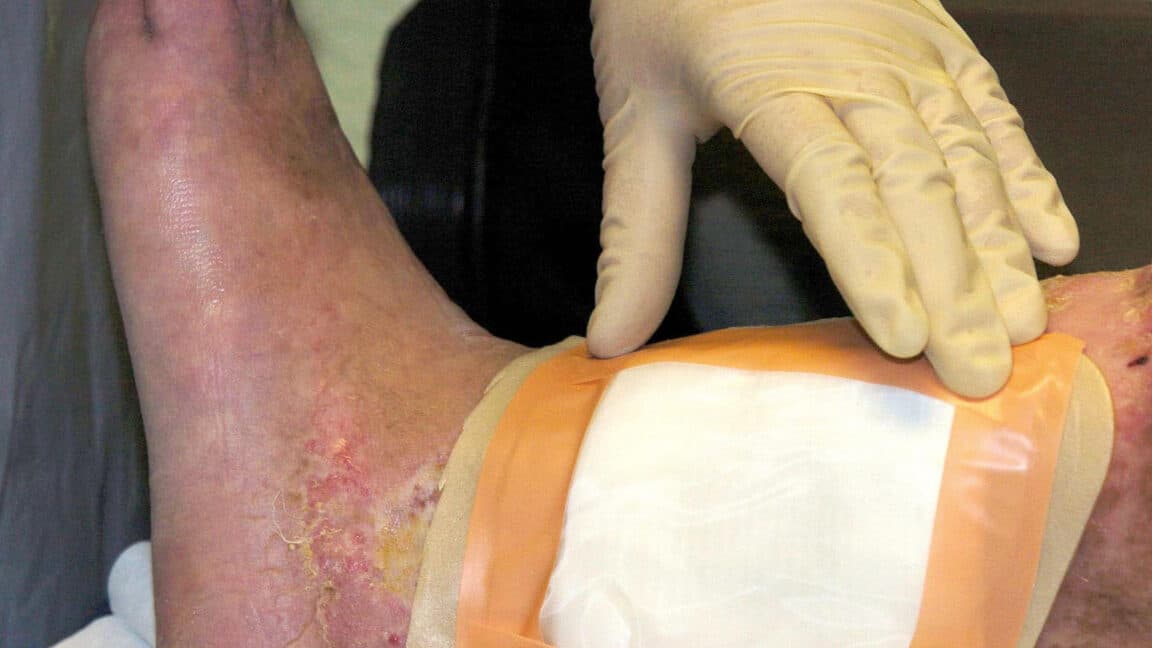
During treatment, specially bred and sterilized maggots are placed directly onto a wound. The larvae secrete digestive enzymes that liquefy dead and infected tissue, which they then ingest. This process — called debridement — removes necrotic material that would otherwise impede healing and harbor harmful bacteria. Maggot therapy has shown particular promise in treating chronic wounds such as diabetic foot ulcers, pressure sores, and venous leg ulcers, conditions that are notoriously difficult to manage with conventional treatments.
Beyond simple debridement, research suggests that maggot secretions also possess antibacterial properties and may actively stimulate the growth of healthy tissue, making MDT a multifaceted therapeutic tool.
The Two FDA-Cleared Species: What Sets Them Apart?
Until this latest clearance, only one fly species had received FDA approval for therapeutic use: Lucilia sericata, commonly known as the green bottle fly. The FDA first granted clearance for L. sericata back in 2004, a landmark decision that helped legitimize maggot therapy within mainstream medicine. That original clearance was granted to Ronald Sherman, who now serves as Cuprina's Medical and Scientific Director — a detail that underscores the company's deep roots in the field.
The newly cleared species, Lucilia cuprina, is a close biological relative of L. sericata. Known informally as the Australian sheep blowfly, it is already well-studied in veterinary medicine, where it has long been associated with a condition called flystrike in sheep. Its biological similarities to L. sericata made it a logical candidate for therapeutic applications, but achieving FDA clearance required rigorous safety and efficacy data — a bar that Cuprina has now demonstrably cleared.
The key differences between the two species involve ecological range, availability, and potentially subtle variations in larval secretions. Having two cleared species gives healthcare providers and manufacturers greater flexibility in sourcing, production, and potentially in clinical application depending on wound type or patient need.
Cuprina Holdings: Poised to Lead the Global Maggot Market
With FDA clearance for both L. sericata and L. cuprina, Cuprina Holdings appears to be the only company in the world holding dual-species FDA clearance for maggot wound therapy products. The company has branded its new larvae MediFly Maggots and has made no secret of its ambition to leverage this unique regulatory position into global market leadership.
The global wound care market is substantial and growing, driven in large part by the rising global prevalence of diabetes and its associated complications. Diabetic foot ulcers alone affect millions of patients worldwide each year and represent a major driver of hospitalizations and amputations. MDT has shown strong results in this patient population, and having a broader portfolio of cleared products could allow Cuprina to serve more markets, scale production more efficiently, and negotiate more competitive supply arrangements with healthcare systems.
Cuprina's Singapore base also gives it a strategic foothold in the Asia-Pacific region, a rapidly expanding healthcare market where wound care demands are rising sharply alongside increasing rates of diabetes and an aging population.
The Broader Significance for Biosurgery and Wound Care
This FDA clearance is more than a corporate win — it is a signal that regulatory bodies continue to recognize and support the expanding role of biological therapies in mainstream medicine. Biosurgery, which encompasses treatments like maggot therapy, leech therapy, and platelet-rich plasma applications, represents a growing segment of wound care that bridges ancient healing traditions with modern clinical science.
For clinicians, having more FDA-cleared options means greater treatment flexibility. Not all wound care facilities have consistent access to a single larval species, and supply chain disruptions can have real consequences for patients with chronic wounds. A second cleared species helps build resilience into the supply of this specialized therapy.
For patients — particularly those suffering from chronic, non-healing wounds that have failed to respond to antibiotics or surgical debridement — advances like this represent meaningful hope. MDT is often considered when other treatments have not worked, and expanding access to it could reduce amputation rates and improve quality of life for vulnerable populations.
Looking Ahead: The Future of Maggot Debridement Therapy
Research into MDT continues to advance, with ongoing studies exploring optimal larval species selection, treatment protocols, and the specific biochemical mechanisms behind the therapy's effectiveness. Scientists are also investigating whether compounds isolated from maggot secretions could be developed into standalone pharmaceutical products, potentially opening an entirely new drug discovery pathway rooted in fly biology.
As antimicrobial resistance remains one of the most urgent global health challenges of our time, therapies that debride and disinfect wounds without relying on antibiotics are drawing increasing interest from both researchers and policymakers. Maggot therapy, with its natural antibacterial action and zero risk of contributing to antibiotic resistance, fits squarely into this conversation.
The FDA's clearance of Lucilia cuprina for Cuprina Holdings is a small but meaningful step in a much larger story — one in which ancient biological therapies, rigorously validated by modern science, find their rightful place alongside conventional treatments in the wound care toolkit. For patients with wounds that won't heal, that progress cannot come fast enough.