
Steam Machine Reviews Are Here — And the Verdict Is Complicated
After months of anticipation, the first wave of Steam Machine reviews has officially landed — and if you were expecting unanimous praise for Valve's bold living room gaming push, you might want to temper those expectations. The consensus from major tech outlets is decidedly mixed: the hardware is genuinely impressive, the software is polished, but performance inconsistencies and an eye-watering price tag are giving even enthusiastic reviewers pause. In fact, whispers from within the industry suggest that even Valve itself is disappointed with some of the results.
Let's break down everything the early reviews are telling us about the Steam Machine, from its standout strengths to its most frustrating shortcomings.
What Exactly Is the Steam Machine?
For the uninitiated, the Steam Machine is Valve's latest attempt to bridge the gap between PC gaming and the living room console experience. Running on SteamOS — the same Linux-based operating system that powers the popular Steam Deck — this compact mini PC is designed to plug into your TV and give you access to your entire Steam library without the need for a full desktop setup.
It's a compelling vision on paper, but compelling visions come at a cost. The Steam Machine starts at $1,049 / £879 / AU$1,609 for the 512GB model, climbing to a substantial $1,428 / £1,208 / AU$2,228 for the 2TB version bundled with a controller. That positions it firmly at the premium end of the gaming market — and arguably in direct competition with high-end gaming PCs rather than traditional consoles.
The Design: Near-Universal Praise
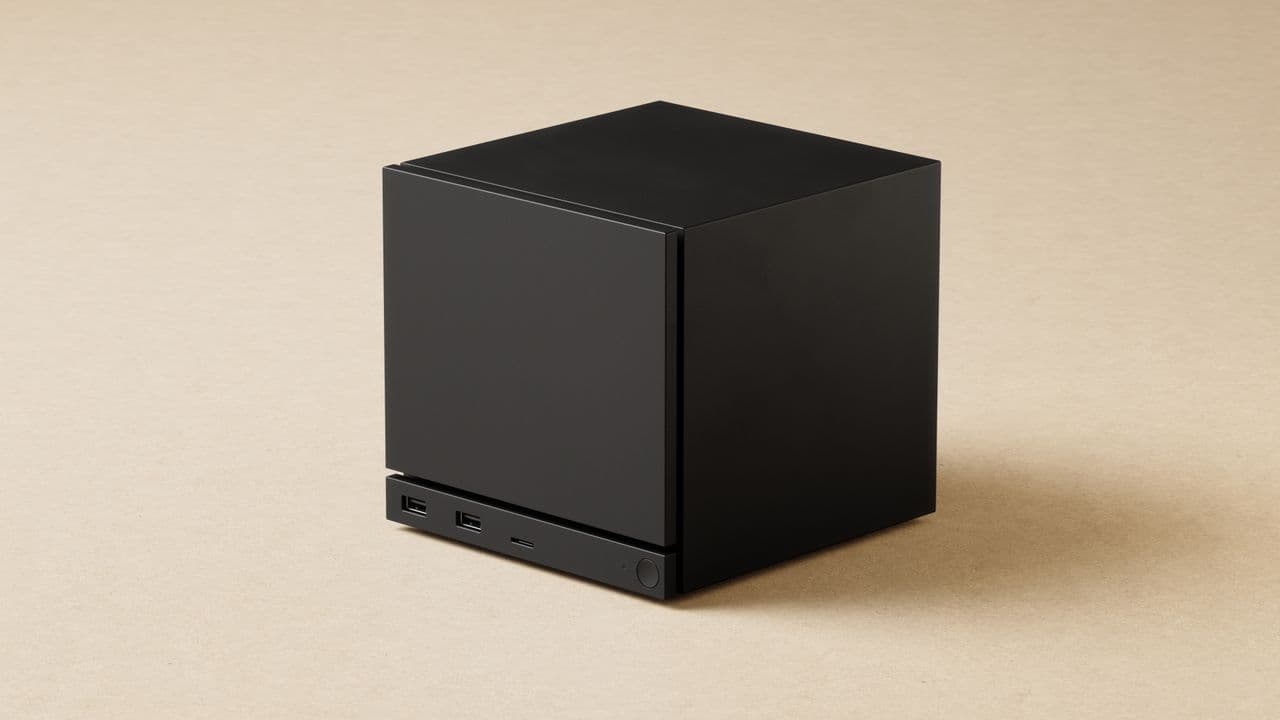
If there's one area where reviewers are almost completely aligned, it's the Steam Machine's physical design. Digital Foundry describes it as "beautiful hardware," and nearly every outlet agrees that the small cube form factor feels premium, purposeful, and surprisingly at home in a living room entertainment setup.
Digital Foundry put it memorably: "Valve's beautifully tiny console-like PC is finally here. And from a form factor perspective, it's kind of irresistible. Imagine a taller Nintendo GameCube, and you have some idea of how tiny this thing is."
Beyond aesthetics, reviewers have highlighted the practical design choices Valve made. The unit runs cool and quiet under typical loads — a significant achievement for hardware this compact. Front-facing ports, including a microSD card reader, are conveniently placed for easy day-to-day access, which speaks to the thoughtful, user-first approach Valve has clearly taken with the industrial design.
SteamOS: A Familiar and Polished Experience
SteamOS itself continues to win fans, building on the goodwill it generated through the Steam Deck. Digital Foundry calls the operating system "fantastic," and IGN notes that the Steam Machine boots directly into Big Picture mode — Valve's TV-friendly interface — while still offering the flexibility to drop into a full Linux desktop environment when needed.
For anyone already familiar with the Steam Deck experience, this will feel immediately comfortable. The interface is clean, intuitive, and well-optimized for use with a controller from the couch. The ability to toggle between a console-style UI and a traditional desktop gives power users more flexibility than you'd typically find on a dedicated gaming console, which is a genuine selling point for those who want the best of both worlds.
Performance: Where Things Get Complicated
Here's where the reviews start to diverge — and where the most serious concerns about the Steam Machine begin to emerge. Performance is, by several accounts, wildly inconsistent depending on the game being tested and the settings being used.
Linus Tech Tips reported some of the most dramatic swings in benchmark testing. On the positive side, Shadow of the Tomb Raider ran impressively at above 120 frames per second at 4K resolution — genuinely excellent performance that would satisfy even demanding players. However, the results fell apart with more graphically intense titles. Cyberpunk 2077, with ray tracing enabled, managed a deeply uncomfortable 15 fps at 1080p resolution — far below playable standards by any measure.
IGN offered a slightly more optimistic data point: without ray tracing and with AMD's FSR frame-generation technology enabled, Cyberpunk 2077 reached 42 fps — still not ideal, but at least approaching playable territory for most users.
The takeaway from these benchmarks is nuanced. The Steam Machine can handle many games exceptionally well, but cutting-edge titles with demanding graphical features like ray tracing appear to expose real limitations in the hardware. For a device at this price point, that inconsistency is difficult to overlook.
Is the Steam Machine Worth the Price?
This is the question looming largest over every review published so far. At over $1,000 for the base model, the Steam Machine is asking buyers to make a significant financial commitment — one that demands consistent, high-quality performance in return.
- The design is premium and genuinely impressive for the form factor.
- SteamOS is mature, user-friendly, and well-suited to the living room.
- Performance on less demanding titles can be excellent, even at 4K.
- However, performance on graphically intensive, modern games is inconsistent and sometimes outright poor.
- The price puts it in direct competition with capable gaming PCs that may offer greater flexibility and reliability.
Early Verdict: Promise With Caveats
The Steam Machine arrives with genuine strengths that Valve fans will appreciate — a beautiful, compact design, a refined SteamOS experience, and impressive performance in the right circumstances. But the performance inconsistencies, particularly in demanding modern titles, and a price tag that leaves little room for compromise make it a hard sell for mainstream audiences.
Whether Valve can address these concerns through software updates, driver improvements, or future hardware revisions remains to be seen. For now, the Steam Machine feels like a fascinating and technically accomplished device that hasn't quite lived up to its own considerable ambitions. We'll have our own full hands-on review up shortly — stay tuned.