
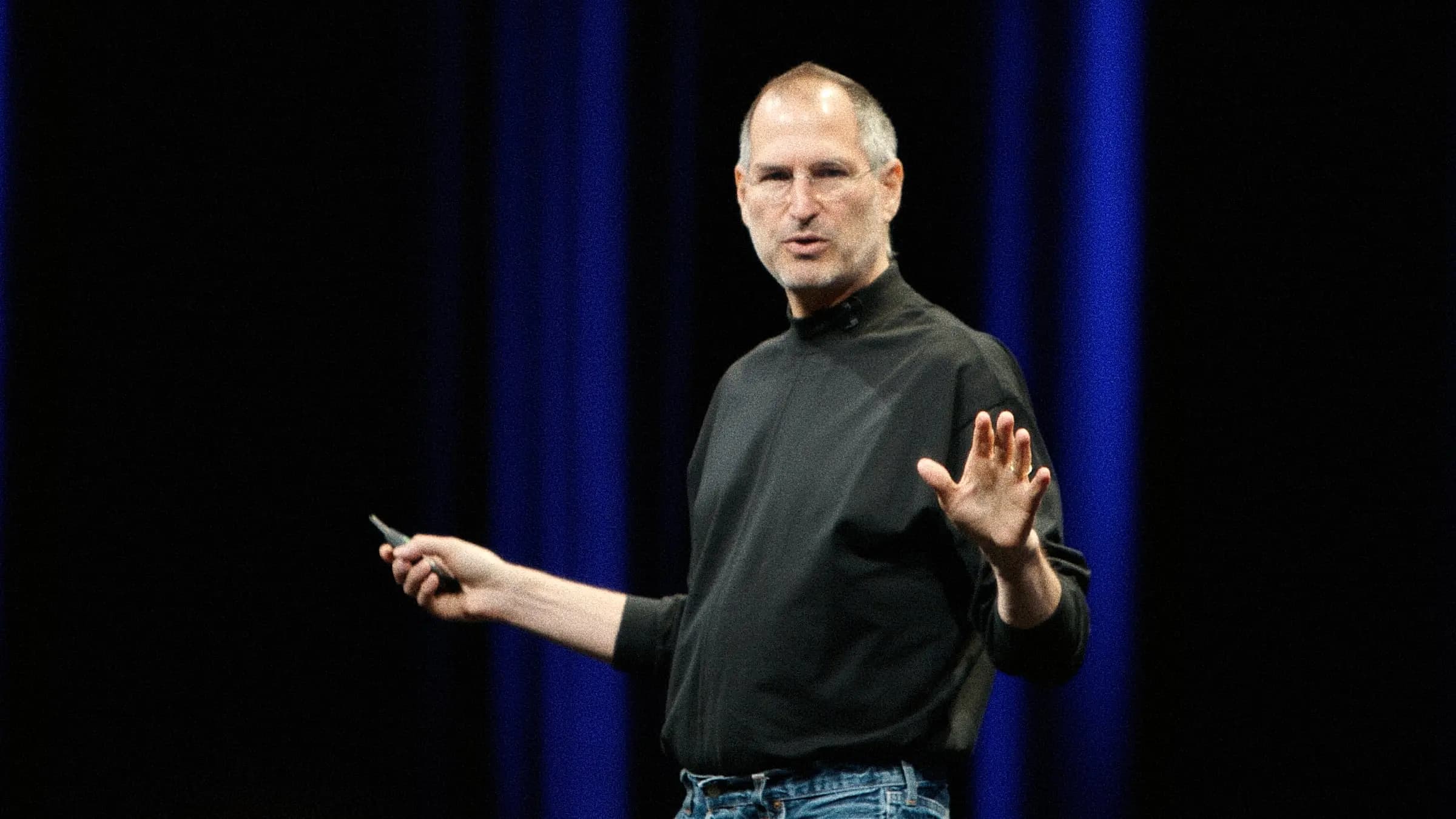
Steve Jobs Returns to Apple After Liver Transplant: A Pivotal Moment in Tech History
On June 22, 2009, the technology world exhaled a collective sigh of relief. Steve Jobs — the visionary co-founder of Apple and one of the most influential figures in modern business history — quietly returned to work at Apple's Cupertino headquarters following a liver transplant that had kept him away from the company for months. It was a moment that underscored just how intertwined one man's health had become with the fate of an entire industry.
This date in Apple history is more than a footnote. It marked the continuation of a chapter in Steve Jobs' life defined by resilience, secrecy, and a relentless drive to return to the work he loved — and to finish what he had started at Apple.
The Health Crisis That Shook Silicon Valley
Steve Jobs was first diagnosed with a rare form of pancreatic cancer — an islet cell neuroendocrine tumor — back in 2003. Unlike the more common and aggressive forms of pancreatic cancer, his particular diagnosis came with a somewhat better prognosis, though it still carried significant long-term risks. Jobs underwent surgery in 2004 to remove the tumor, and for a time, it appeared he had beaten the disease.
However, over the following years, concerns about his health never fully subsided. His increasingly gaunt appearance at Apple events sparked widespread public speculation, and the company faced mounting pressure — from journalists, shareholders, and Apple fans alike — to be transparent about the CEO's condition. Apple's tight-lipped corporate culture, so effective at building product mystique, worked against it when it came to managing investor and public concern about Jobs' wellbeing.
In January 2009, Jobs took a medical leave of absence, citing a "hormone imbalance" that was affecting his health more than he had originally thought. He handed day-to-day operational responsibilities to Tim Cook, then Apple's Chief Operating Officer. It was only later revealed that the situation was far more serious: Jobs required a liver transplant, a consequence of his cancer having spread.
The Liver Transplant: A Fight for Survival
Jobs traveled to Tennessee to receive his liver transplant at Methodist University Hospital in Memphis. The procedure took place in the spring of 2009, and the choice of location was strategic — Tennessee has one of the shorter median wait times for donor organs in the United States, and patients are permitted to register on multiple state waiting lists simultaneously.
The surgery was a success, and Jobs began what would be a months-long recovery process. Throughout this period, Apple continued to function under Tim Cook's leadership, demonstrating to the world — perhaps for the first time — that the company could operate effectively without its iconic founder at the helm. Cook managed operations with characteristic efficiency and calm, reassuring investors and employees alike.
The transplant itself was a major medical event, not just personally for Jobs, but symbolically for anyone watching the intersection of personal health and corporate leadership. It raised important questions about executive transparency, the duty of public companies to disclose CEO health information, and the ethics of how much privacy a business leader is entitled to maintain.
June 22, 2009: The Return
When Steve Jobs walked back through Apple's doors on June 22, 2009, it had been roughly six months since he had stepped back from his duties. His return was not accompanied by a press conference or a dramatic announcement — it was, in keeping with Jobs' enigmatic persona, quiet and understated. Yet the significance of the moment reverberated far beyond the walls of One Infinite Loop.
For Apple employees, Jobs' return signaled the restoration of the creative force that had driven the company through some of its most transformative years — the iPod era, the launch of iTunes, the iPhone revolution, and the nascent days of the App Store. For shareholders, it offered a measure of reassurance about the company's strategic direction. For the broader tech world, it was a reminder of just how central Jobs was to Apple's identity.
What Jobs' Return Meant for Apple's Future
The period following Jobs' return to Apple proved to be one of the most productive in the company's history. In January 2010, Jobs took the stage at a special event to unveil the iPad — a product that would redefine personal computing and create an entirely new product category. The iPhone continued its meteoric rise. The Mac lineup was refreshed. Apple's stock climbed to new heights.
Jobs worked tirelessly in the two years that followed his return, even as his health continued to decline. Those close to him later described a man acutely aware of his own mortality and deeply motivated to leave Apple — and the world — with as much of his vision realized as possible. He is widely credited with laying the groundwork for multiple product generations beyond those he lived to see launched.
A Legacy Defined by More Than Products
Steve Jobs officially resigned as Apple's CEO on August 24, 2011, citing his inability to meet the demands of the role. He passed away on October 5, 2011, at the age of 56. His death was mourned globally, with tributes pouring in from world leaders, fellow technologists, artists, and everyday Apple users who felt a personal connection to the products he helped create.
Looking back at June 22, 2009, it is impossible not to see it as one of the final, precious chapters in the story of one of technology's greatest figures. His return to work after a liver transplant was not simply a corporate event — it was a human story of determination, of a person refusing to let illness define the limits of what he could still achieve.
Remembering the Day Steve Jobs Came Back
Every year, dates like June 22 offer Apple fans and technology historians alike an opportunity to reflect on the extraordinary life of Steve Jobs and the equally extraordinary company he built. His journey through illness and recovery, and his unwavering commitment to Apple even in the face of serious health challenges, speaks to the character of a man who viewed his work not merely as a job, but as a mission.
- Jobs was diagnosed with pancreatic cancer in 2003 and had surgery in 2004.
- He took a medical leave of absence in January 2009, handing operations to Tim Cook.
- He received a liver transplant at Methodist University Hospital in Memphis, Tennessee, in spring 2009.
- He returned to work at Apple on June 22, 2009, after a successful recovery.
- He went on to oversee the launch of the iPad in 2010 and other landmark products before his death in October 2011.
Apple has grown into the world's most valuable company in the years since Jobs' passing, a testament to the foundations he laid and the culture he instilled. But on this date each year, it is worth pausing to remember the man behind the products — and the quiet, determined morning he walked back into the building to continue the work that defined his life.