
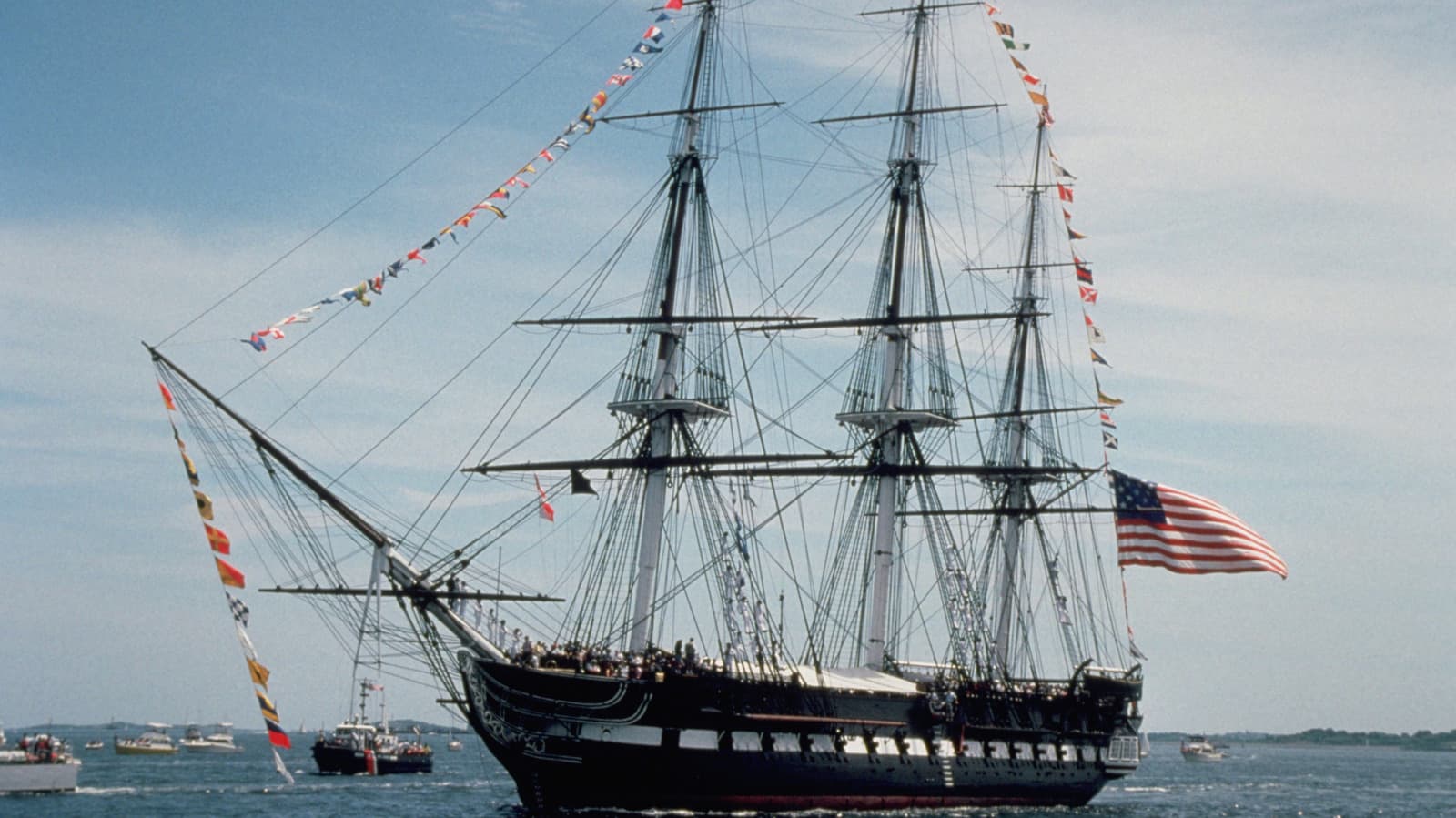
America's Living Legend: The USS Constitution Sets Sail Again
There are few artifacts of American history that can still move under their own power, but the USS Constitution is one of them. This 230-year-old wooden warship, a relic of a time when the United States was still finding its footing as a young nation, is preparing to set sail once more for a landmark historic celebration. The news has captivated naval history enthusiasts, military historians, and everyday Americans alike — and for good reason. Few ships anywhere in the world can claim a story as rich, as enduring, or as genuinely awe-inspiring as "Old Ironsides."
What Is the USS Constitution?
The USS Constitution is the oldest commissioned warship still afloat in the world. Built in the late 1700s and launched in 1797, she was constructed from live oak and white oak timber, materials chosen for their remarkable strength and durability. Her hull proved so resistant to enemy cannon fire during the War of 1812 that sailors reportedly watched cannonballs bounce right off her sides — earning her the legendary nickname "Old Ironsides."
She is a proud part of the United States Navy, still officially commissioned and crewed by active-duty Navy sailors who serve aboard her as part of their regular duty assignments. Homeported at the Charlestown Navy Yard in Boston, Massachusetts, the Constitution has become one of the most visited historic landmarks in all of New England, drawing hundreds of thousands of visitors every single year.
Despite her age, the Constitution is not merely a museum piece frozen behind glass. She is a living, breathing symbol of American naval power and resilience — and her upcoming voyage proves that once again.
A Warship Built for the Ages
To appreciate just how remarkable this moment is, it helps to understand what went into building the USS Constitution in the first place. Commissioned by President George Washington himself under the Naval Act of 1794, she was one of six original frigates authorized to form the backbone of the early United States Navy. Her construction involved some of the finest shipwrights and craftsmen of the era, and she was designed to be faster and more powerfully armed than comparable British and European frigates of the time.
Her vital statistics are impressive even by modern standards:
- Length: 204 feet (62 meters)
- Displacement: approximately 2,200 tons
- Original armament: up to 44 guns
- Hull material: live oak, white oak, and longleaf pine
- Crew complement during the War of 1812: over 450 sailors and Marines
During her active combat service, the USS Constitution never lost a battle. She captured numerous enemy vessels, defeated British warships that were considered among the finest in the Royal Navy, and helped establish the credibility of the young American naval force on the world stage.
Why This Sailing Is So Historic
The USS Constitution does not sail often. When she does, it is always a major event that draws enormous attention from media, government officials, and the public. Her latest voyage is being undertaken in connection with a significant national celebration, making it one of the most anticipated maritime events in recent American history.
Preparations for a sailing of this magnitude are extensive and meticulous. The ship's active-duty Navy crew, along with specialized preservation experts and naval architects, must carefully evaluate the structural integrity of every plank, mast, and rigging line before she can safely leave the dock. Given that she is made entirely of wood and is well over two centuries old, nothing is left to chance. Every sailing is a testament to the extraordinary craftsmanship of her original builders and the tireless dedication of the crews and conservators who have kept her alive across the generations.
The Legacy of Old Ironsides in American Culture
The cultural footprint of the USS Constitution extends far beyond naval history. She has inspired poetry — most famously Oliver Wendell Holmes' 1830 poem "Old Ironsides," which is widely credited with generating the public outcry that saved the ship from being scrapped. She has appeared in paintings, films, and countless works of literature. She is a symbol of American perseverance, of the idea that some things are worth preserving no matter the cost or the effort required.
Her continued existence is, in many ways, a story about the American character itself. Where other nations might have let such a vessel rot away or turn it into scrap metal, the United States chose to maintain her, to keep sailors aboard her, and to sail her into open water as a reminder of where the country came from.
What to Expect From the Historic Voyage
Events surrounding the Constitution's sailing are expected to draw large crowds to the Boston waterfront. Spectators typically line the shores, board viewing vessels, and gather at every available vantage point to catch a glimpse of Old Ironsides under sail. The Navy traditionally fires a 21-gun salute as part of the ceremony, and the sight of this ancient wooden warship moving through the harbor under her own power remains one of the most emotionally stirring spectacles in American public life.
For those who cannot be there in person, extensive media coverage is expected, and the Navy typically documents the event thoroughly for public viewing. Whether you witness it from the waterfront or through a screen, watching the USS Constitution sail is a reminder that history, at its most powerful, is never truly past.
A Ship Worth Celebrating
The USS Constitution's upcoming sailing is more than a nautical event. It is a reaffirmation of a national commitment to remembering where America came from — a floating monument to the courage, ingenuity, and craftsmanship of those who built a navy from nothing and used it to defend a fragile new nation. After 230 years, Old Ironsides still sails. And that, in itself, is one of the greatest stories in American history.