
Sun Washing Your Bedding Feels Like a Win — But Is It Actually Working?
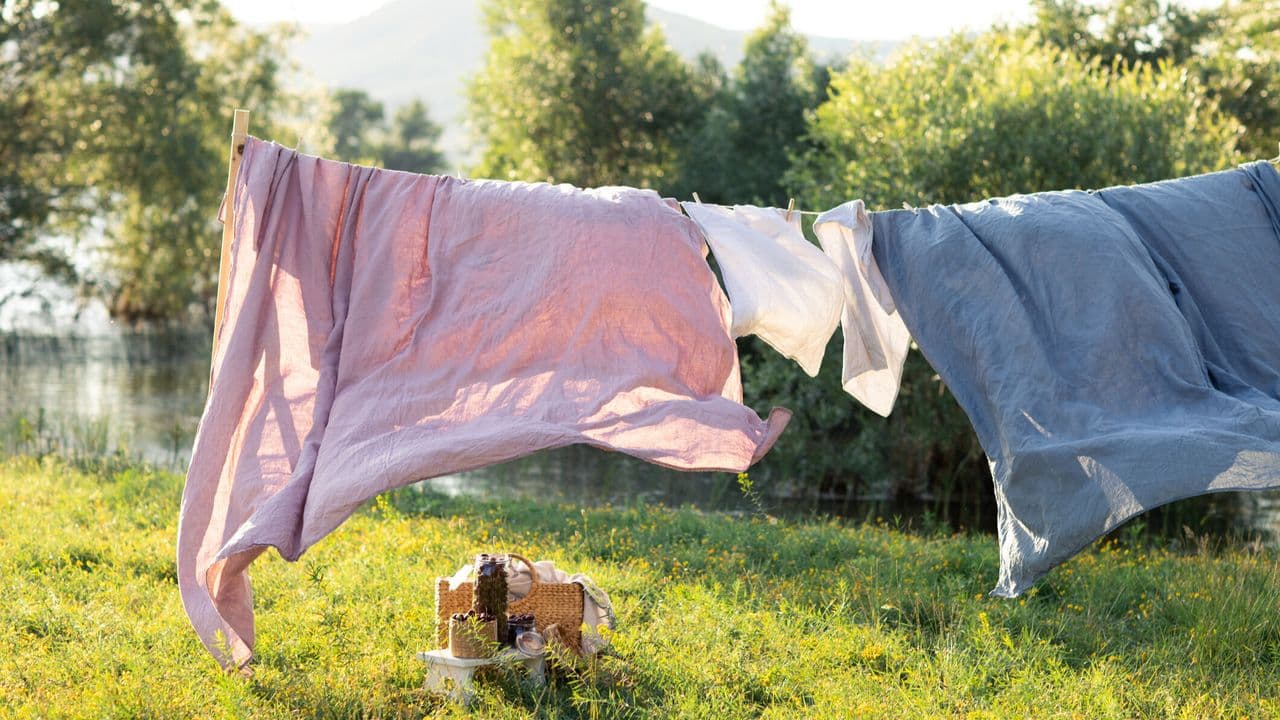
There's something deeply satisfying about draping your pillows and duvet over a sun-drenched balcony railing or laying your bedding out on the lawn during a heatwave. The warmth, the fresh air, the faint smell of sunshine baked into the fabric — it feels clean. It feels like you're doing something good for your health. But according to infection experts, that feeling might be more psychological than scientific.
The hard truth is that "sun washing" — the practice of leaving pillows, duvets, and other bedding outside in sunlight to freshen and sanitize them — is unlikely to kill the dust mites, fungi, and bacteria lurking deep inside your bedding. No matter how blazing the summer sun feels on your skin, it probably isn't generating the sustained heat needed to penetrate thick fabrics and eliminate these microscopic threats at their source.
So what temperature actually kills dust mites and fungi? And what's the right way to truly sanitize your bedding? Here's what the science — and infection experts — say.
What's Actually Living in Your Pillows and Bedding?
Before we talk about solutions, it helps to understand the problem. Your bedding is a thriving ecosystem for a range of microorganisms, most of which are invisible to the naked eye.
- Dust mites: These microscopic arachnids feed on dead human skin cells, which we shed by the millions every night. A single mattress can harbor hundreds of thousands of dust mites, and their feces and body fragments are a leading trigger for allergies and asthma.
- Fungi and mold spores: Warm, moist environments — like the inside of a pillow after a night of sleep — are ideal breeding grounds for fungi. Certain species, including Aspergillus and Fusarium, have been found in household pillows and can pose real health risks, particularly for people with respiratory conditions or compromised immune systems.
- Bacteria: Sweat, skin oils, and saliva create a rich environment for bacterial growth. Over time, unwashed bedding can accumulate significant bacterial loads.
Regular washing is essential — but only if it's done at the right temperature.
The Exact Temperature That Kills Dust Mites and Fungi
Infection experts and allergists agree on a clear threshold: to reliably kill dust mites, bedding must be washed at a minimum of 60°C (140°F). At this temperature, sustained for an appropriate wash cycle, dust mites are effectively destroyed. Some guidelines suggest that even 54°C (130°F) held for an extended period can be lethal to mites, but 60°C is the widely recommended benchmark for reliable results.
For fungi, the picture is similar. Many common household fungi and their spores are killed at temperatures between 50°C and 70°C, depending on the species and the duration of exposure. A hot wash at 60°C, followed by a high-heat tumble dry, provides a robust one-two punch against both mites and fungal contamination.
The key word in all of this is sustained. It's not enough to briefly expose bedding to high heat — the temperature must penetrate the full thickness of the material and be maintained long enough to denature the proteins and cellular structures of these organisms.
Why Sun Washing Falls Short
During a heatwave, outdoor temperatures might reach 35°C to 40°C (95°F to 104°F) in many parts of the world. That sounds hot — and it certainly feels uncomfortable to stand in — but it falls dramatically short of the 60°C threshold needed to kill dust mites and fungi.
Even direct, intense sunlight on a dark fabric surface might raise surface temperatures somewhat higher than the ambient air temperature, but the core of a thick pillow or folded duvet is unlikely to reach anywhere near 60°C. Dust mites, which tend to live deep within the filling of pillows and mattresses rather than on the surface, are therefore largely unaffected by sun washing.
UV light from the sun does have some antimicrobial properties and can help reduce surface bacteria and neutralize odors — which is likely why sun-dried laundry smells fresh. But UV penetration into dense bedding materials is minimal, limiting its effectiveness against mites and fungi embedded inside.
How to Actually Sanitize Your Bedding
The good news is that properly sanitizing your bedding isn't complicated — it just requires the right approach.
- Wash at 60°C or above: Check your bedding's care label first, but where the fabric allows, always wash at 60°C to kill dust mites and fungi effectively. For delicate fabrics that can't tolerate high heat, adding a dedicated anti-allergen laundry product designed to kill mites at lower temperatures is a practical alternative.
- Tumble dry on high heat: The drying cycle is just as important as the wash. A high-heat tumble dry helps finish off any surviving mites and ensures moisture — which fungi need to thrive — is thoroughly eliminated.
- Wash bedding frequently: Experts generally recommend washing pillowcases weekly and duvet covers and sheets every one to two weeks. Pillows and duvets themselves should be laundered every three to six months.
- Use allergen-proof covers: Mattress and pillow protectors with tightly woven fabrics can act as a physical barrier, preventing dust mites from colonizing the interior of pillows and mattresses in the first place.
- Consider the tumble dryer for pillows that can't be hot-washed: Running pillows through a high-heat dryer cycle — even without washing — can help reduce dust mite populations between full washes.
The Bottom Line
Sun washing your bedding during a heatwave is a pleasant ritual, and it's not entirely without benefit — fresh air and UV exposure can reduce surface odors and minor bacterial buildup. But if your goal is to kill dust mites and fungi, the summer sun simply doesn't cut it. You need sustained heat at or above 60°C, delivered through a proper washing machine cycle, to do the job effectively.
For allergy sufferers, asthma patients, or anyone who simply wants cleaner, healthier sleep, understanding this distinction isn't just trivia — it can make a meaningful difference to respiratory health and overall wellbeing. Don't let the satisfying warmth of a sunny afternoon fool you into thinking the job is done. When it comes to what's hiding inside your pillows, only the right temperature truly tells the whole story.