
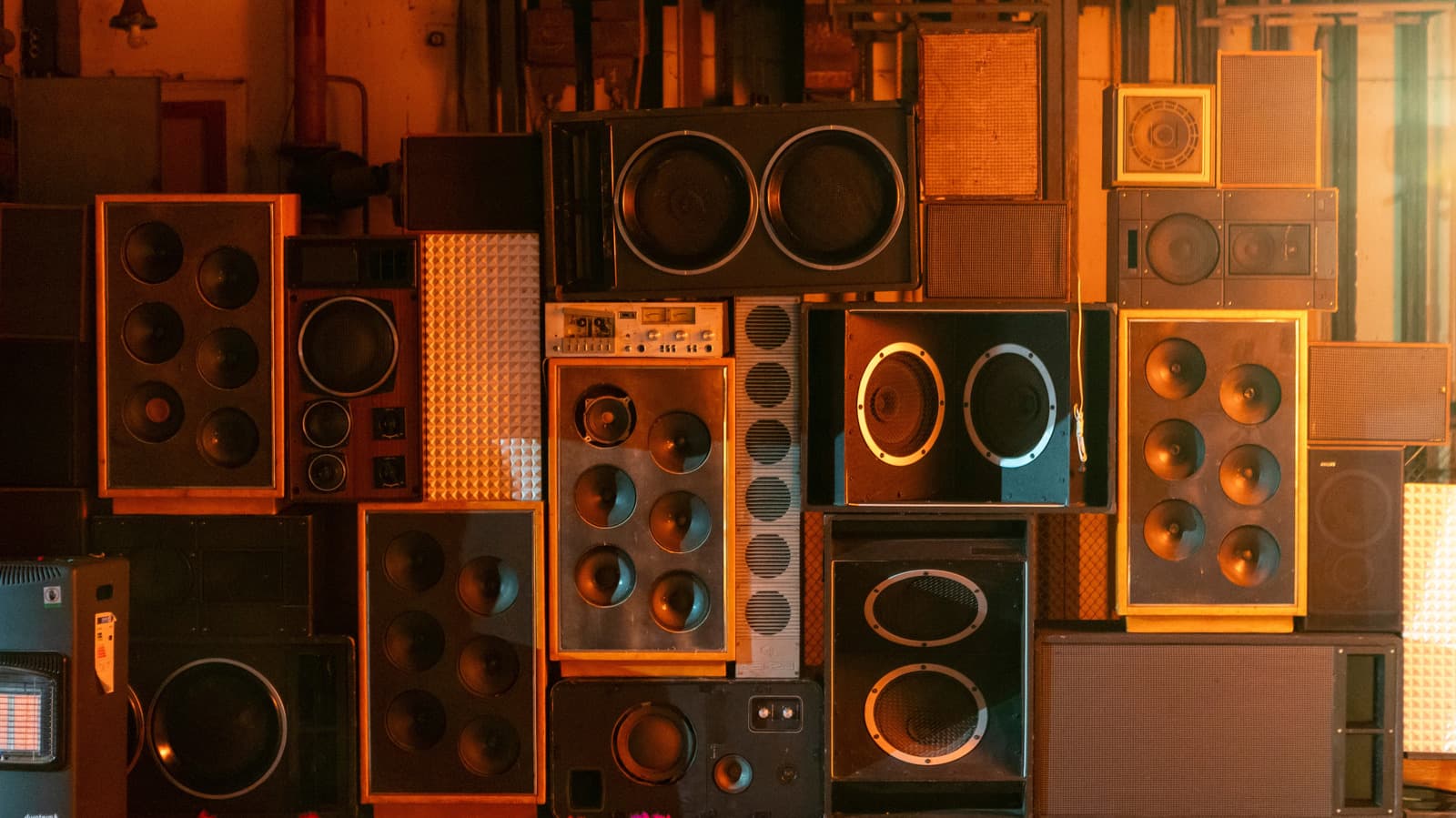
Why Is Your Speaker Hissing? Understanding the Problem
There are few things more frustrating than settling in for a movie, a favorite playlist, or an important video call only to be met with a persistent, irritating hiss coming from your speakers. While audio technology has come a remarkably long way since the cassette tape era of the 1980s, it is still far from perfect in every situation. That annoying hissing sound is one of the most common audio complaints among consumers, and the good news is that it is almost always fixable once you understand what is causing it.
Speaker hiss — sometimes described as white noise, static, or background buzz — can stem from a wide variety of sources. It might be an issue with your hardware, your cables, your audio settings, or even electromagnetic interference from nearby devices. This guide breaks down each potential cause and walks you through clear, actionable steps to silence that hiss for good.
Common Causes of Speaker Audio Hissing
Before you can fix a problem, you need to understand where it is coming from. Speaker hiss rarely has a single universal cause, which is why a systematic approach to diagnosis is the most effective strategy. Here are the most common culprits behind that unwanted sound.
1. Electrical Interference and Ground Loops
One of the leading causes of speaker hiss is electrical interference. When your audio equipment shares a power source or is positioned near other electronic devices — such as routers, televisions, or refrigerators — electromagnetic fields can bleed into your audio signal and produce a noticeable hiss or hum. A ground loop, which occurs when two pieces of equipment connected together have different ground potentials, is a particularly common offender in home audio setups.
2. Low-Quality or Damaged Cables
The cables connecting your audio source to your speakers play a critical role in sound quality. Cheap, poorly shielded cables are highly susceptible to picking up interference from the environment. Similarly, cables that are frayed, bent at sharp angles, or have damaged connectors can introduce noise into the signal path. Even a small nick in the shielding can be enough to cause a noticeable hiss.
3. High Gain or Volume Settings
Amplifiers and receivers amplify not just your audio signal, but also any background noise present in that signal. When the gain on your amplifier is set too high, or when you push your volume to extreme levels, the noise floor — the baseline level of background noise in any system — gets amplified right along with your music or dialogue. This is an especially common issue with powered speakers that have built-in amplifiers.
4. Poor Source Audio Quality
Sometimes the hiss is baked right into the audio file or stream you are listening to. Heavily compressed audio files, low-bitrate streams, or recordings made with low-quality microphones can carry audible noise that your speakers faithfully reproduce. In these cases, the speaker itself is working perfectly — it is simply playing back a flawed source.
5. Faulty or Aging Hardware
Like any piece of electronics, speakers and audio components degrade over time. Capacitors inside amplifiers can wear out, speaker cones can develop small tears, and internal wiring can loosen. Any of these hardware failures can introduce hiss, distortion, or static into your audio output.
How To Fix Speaker Hissing: Step-by-Step Solutions
Now that you have a clearer picture of what might be causing the problem, it is time to work through the solutions. Start with the simplest fixes and work toward the more involved ones.
Check and Replace Your Cables
Begin by inspecting every cable in your audio chain. Look for visible damage, loose connections, and connectors that show signs of corrosion or oxidation. Swap out suspect cables for high-quality, shielded replacements. Audio-grade cables with proper shielding are relatively inexpensive and can make a dramatic difference in background noise levels. Also make sure all connections are snug and fully seated in their ports.
Reduce Your Gain and Volume Levels
Try lowering the gain or input sensitivity on your amplifier and compensating by turning up the volume on your source device instead. This approach keeps the amplification of background noise to a minimum while still delivering adequate volume. Many audio engineers refer to this as "gain staging," and it is a foundational technique for minimizing noise in any audio setup.
Eliminate Sources of Electrical Interference
Move your speakers and audio equipment away from potential interference sources such as Wi-Fi routers, microwaves, and other high-power electronics. If you suspect a ground loop, a ground loop isolator — an inexpensive adapter available at most electronics retailers — can break the loop and eliminate the associated hum or hiss almost instantly. Plugging all of your audio equipment into a single, quality power strip with surge protection can also help unify the ground reference across your devices.
Update Your Audio Drivers and Software
If your hissing problem is isolated to a computer or smart device, outdated or corrupted audio drivers could be to blame. Visit the manufacturer's website and download the latest drivers for your sound card or audio interface. Also check your operating system's sound settings to ensure that audio enhancements or post-processing effects — which can sometimes introduce artifacts — are not inadvertently adding noise to the signal.
Use a Noise Gate or Audio Filter
For those who use digital audio workstations, streaming software, or even certain smart TVs, a noise gate can be an effective software-based solution. A noise gate automatically mutes the audio signal when it falls below a certain threshold, cutting off the hiss during quiet passages. Many free and paid audio tools offer this feature, and it can be a practical fix when hardware solutions have not fully resolved the issue.
Test with a Different Audio Source
Connect a completely different source — a different phone, laptop, or media player — to your speakers to determine whether the hiss travels with the source or stays with the speakers. If the hiss disappears with a new source, the problem lies with your original device or its audio output. If the hiss persists regardless of the source, the issue is more likely with the speakers themselves or the connecting cables.
When To Seek Professional Help or Replace Your Equipment
If you have worked through all of the above steps and the hissing persists, it may be time to consider professional servicing or equipment replacement. A qualified audio technician can diagnose internal hardware failures — such as worn capacitors or damaged speaker drivers — that are beyond the reach of simple DIY fixes. In some cases, the cost of repair may outweigh the value of the equipment, making an upgrade to newer, higher-quality speakers the more sensible long-term investment.
Final Thoughts
A hissing speaker does not have to be a permanent annoyance. In the vast majority of cases, the cause is identifiable and the fix is straightforward. Whether the culprit turns out to be a cheap cable, a ground loop, an overzealous gain setting, or simply a piece of aging hardware, the troubleshooting steps outlined above give you a clear, methodical path toward clean, hiss-free audio. Take your time working through each potential cause, and you will likely have your sound system performing at its best in no time.