
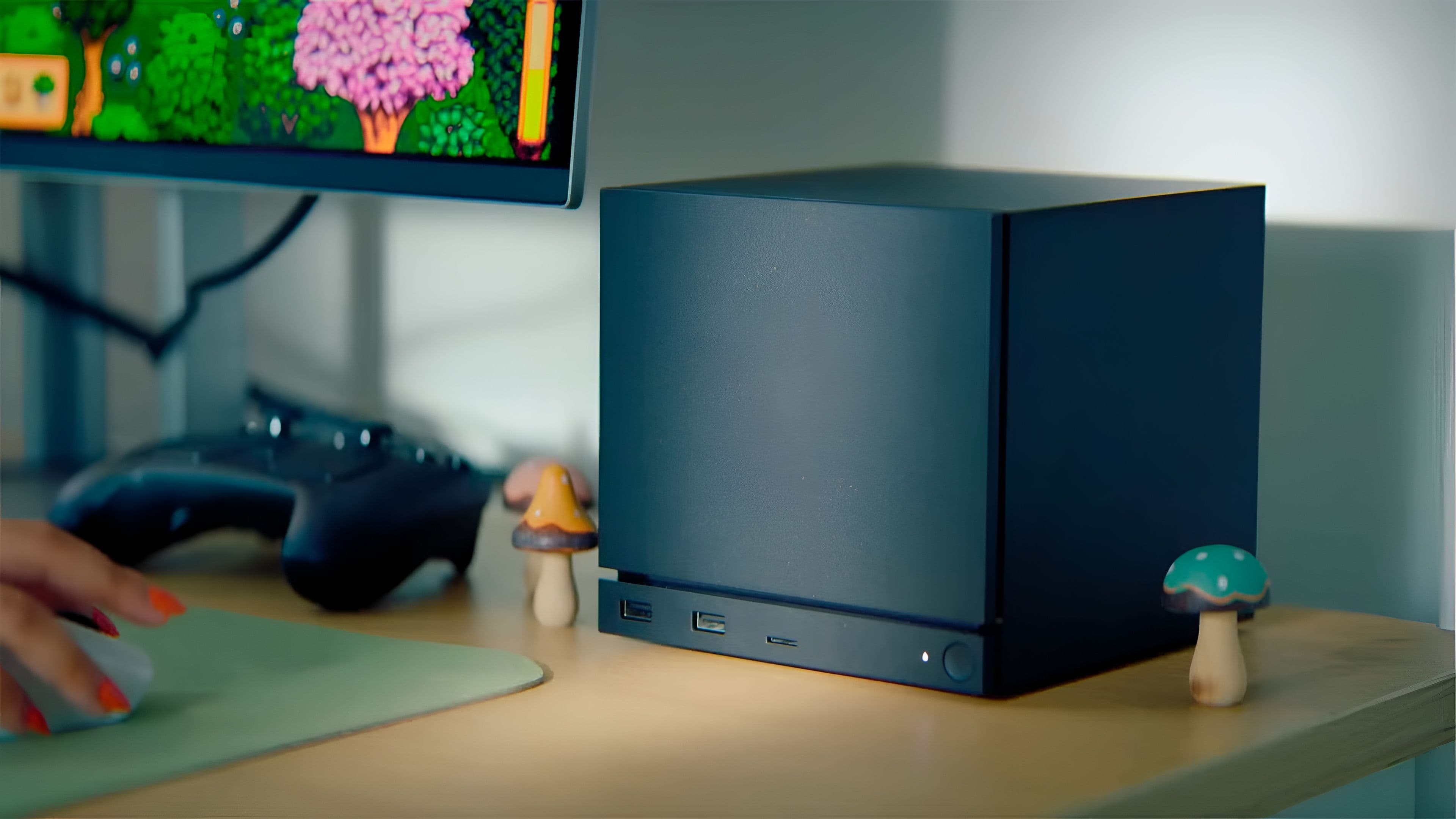
Valve's Steam Machine Price Is Here — And It's Going to Sting
Valve has finally pulled back the curtain on official pricing for the Steam Machine, and the number is exactly what skeptics feared: you're looking at a four-figure USD price tag. For many gamers who had hoped this console-adjacent PC gaming device would land at an accessible price point, the announcement has been a cold shower. But Valve, never one to leave its community without options, has essentially offered a shrug and a suggestion: if the price is too high, just build your own.
It's a response that is equal parts practical and cheeky — entirely on-brand for the company behind Steam. But it does raise a genuinely important question for the gaming community: is the Steam Machine worth its steep asking price, or does rolling your own SteamOS machine make more sense? Let's break it all down.
What Exactly Is the Steam Machine?
For those who need a quick refresher, the Steam Machine is Valve's vision of a living-room gaming device that blurs the line between a traditional gaming console and a full-blown gaming PC. It runs SteamOS, Valve's Linux-based operating system, and is designed to give players access to their Steam library from the couch, with controller support, a clean interface, and the kind of performance you'd expect from dedicated gaming hardware.
It is not a console in the strict sense — there are no exclusives, no mandatory subscriptions to access your library, and no walled garden preventing you from tinkering under the hood. But it is positioned to compete in the same living-room space as the PlayStation 5 and Xbox Series X, which makes its price point a critical factor in whether it can actually win over mainstream audiences.
Why the Four-Figure Price Tag Is a Problem
The moment a gaming device crosses the $1,000 threshold in the United States, its potential audience shrinks dramatically. Most console gamers are accustomed to paying between $400 and $600 for a new system, and while PC gamers have long accepted higher costs for premium hardware, those buyers typically have expectations around upgradability, customization, and longevity that justify the spend.
The Steam Machine, at its announced price, is competing against both of those camps simultaneously — and satisfying neither particularly well on cost alone. A PlayStation 5 or Xbox Series X can be had for a fraction of the price. Meanwhile, a custom-built gaming PC at a similar spec level might cost around the same or even less, and would offer far more flexibility.
That's precisely the trap Valve finds itself in. The Steam Machine is a premium product in a market that is deeply price-sensitive, and the optics of that announcement have not landed well with a vocal segment of the PC gaming community.
Valve's Answer: Build It Yourself
Rather than defending the price aggressively or promising future budget tiers, Valve's response has been to point users toward the DIY route. SteamOS is freely available, and any reasonably modern PC hardware can theoretically be turned into a Steam Machine equivalent with enough patience and a willingness to navigate Linux-based gaming.
This is actually a more interesting suggestion than it might initially appear. Building your own SteamOS gaming PC gives you several meaningful advantages:
- Cost control: You can target exactly the performance tier you need and spend accordingly, rather than paying for a fixed configuration you may not fully utilize.
- Upgradability: Unlike sealed consumer devices, a custom build lets you swap out components as GPU generations improve or as your gaming needs evolve.
- Full SteamOS support: Valve has invested significantly in making SteamOS a more capable gaming platform, with Proton compatibility layers allowing thousands of Windows-native titles to run on Linux without extra configuration.
- Repairability: You own every component and can replace individual parts without voiding any warranty or sending a device back to a manufacturer.
For the enthusiast crowd, this is genuinely exciting territory. The barrier to entry for building a SteamOS box has never been lower, and the gaming experience it delivers has never been more polished.
Who Should Still Consider the Official Steam Machine?
Despite all of the above, the official Steam Machine is not without its appeal. Valve's device comes pre-configured, thoroughly tested, and ready to use out of the box. For users who want the Steam living-room experience without spending an afternoon sourcing components, flashing a drive, and troubleshooting driver issues, that convenience carries real value.
Parents buying a gaming setup for their household, users who are new to PC gaming entirely, or anyone who simply does not want to deal with the complexity of a DIY build may find the premium price justifiable when weighed against the time and effort it saves.
The Bottom Line for Budget-Conscious Gamers
Valve's Steam Machine price announcement has served as an inadvertent reminder of what makes PC gaming so enduring: the community's ability to find alternatives, adapt, and build something better at a price that fits their budget. If the official device costs too much, SteamOS is right there, waiting to be installed on hardware you already own or a custom rig you build from scratch.
Valve's suggestion to "just build your own" might sound like a cop-out, but in reality it reflects a genuine strength of the Steam ecosystem: you are never locked in. The platform is the software, and the software is free. That's a value proposition no four-figure price tag can diminish.
Whether you opt for the official Steam Machine or take the DIY road, the living-room PC gaming dream is more achievable in 2025 than it has ever been. The only question is how much of your time — or money — you're willing to spend getting there.