
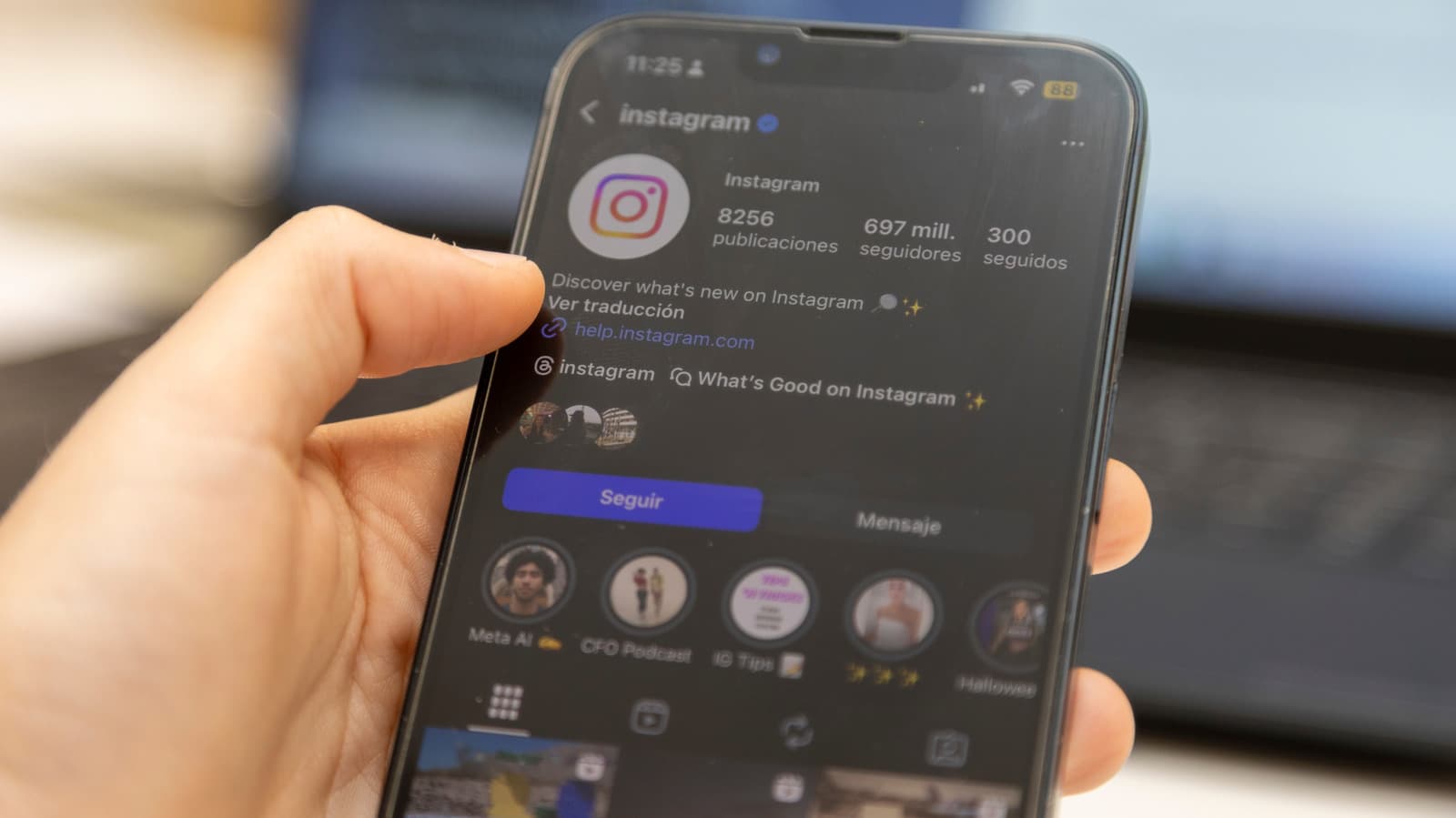
Dark Mode Is No Longer a Feature — It's a Requirement
Not long ago, dark mode was considered a premium perk — a sleek toggle tucked away in settings that power users loved and casual users barely noticed. Today, that dynamic has completely reversed. If your app launches without a dark mode option in 2024, expect the reviews to say something about it almost immediately. And if you want to understand why, you need to look at who is dominating the digital landscape right now: Gen Z.
This generation, broadly defined as those born between 1997 and 2012, has grown up with smartphones as an extension of their identity. They are the first truly mobile-native generation, and their preferences are reshaping entire industries — including how apps are designed from the ground up. Dark mode sits near the top of their wish list, and developers have taken notice.
What Is Dark Mode and Why Does It Matter?
Dark mode is a display setting that replaces the traditional white or light-colored backgrounds of an interface with darker tones — typically deep grays or true blacks — while adjusting text and icons to remain readable. It is available across operating systems, browsers, and individual apps, and users can often set it to switch automatically based on the time of day.
At its most basic level, dark mode is a visual preference. But the reasons people choose it go well beyond how it looks. There are real, documented benefits that make it more than a stylistic choice, and Gen Z is acutely aware of most of them.
The Gen Z Connection: More Than Just Aesthetics
Gen Z spends an enormous amount of time on their devices. Studies consistently show that this generation averages several hours per day on smartphones alone, not counting laptops or tablets. When you are staring at a screen for that many hours, the strain on your eyes becomes a genuine concern — not a hypothetical one.
Dark mode reduces the amount of bright light emitted by a screen, which many users report makes extended scrolling sessions noticeably more comfortable, particularly in low-light environments. For a generation that is often on their phone late at night — whether chatting, streaming, or browsing social media — this is a practical benefit that directly affects how they feel.
There is also a battery life angle that resonates strongly with younger users. On devices with OLED or AMOLED screens, which are common in modern flagship smartphones, dark pixels are literally turned off rather than lit up. This means dark mode can meaningfully extend battery life during heavy use. For a generation that is always on the move and often without easy access to a charger, every extra percentage of battery matters.
The Social and Cultural Dimension
Beyond the functional benefits, dark mode has taken on a cultural significance within Gen Z's digital identity. It has become associated with a certain kind of aesthetic — clean, modern, understated — that aligns with design trends popular on platforms like TikTok, Instagram, and Discord. Apps that feel visually current are more likely to earn trust and loyalty from younger users who have a finely tuned sense of what looks dated.
Discord, for example, launched with a dark interface by default and became one of the most beloved communication platforms among Gen Z almost immediately. Spotify's dark-dominant UI is considered part of its brand identity. Even productivity tools like Notion and Linear have leaned into darker palettes to appeal to a younger, tech-savvy audience. The message is clear: dark mode signals that a product understands its users.
How Developers Are Responding
App developers and product teams are responding to this shift in very concrete ways. Dark mode support is now typically included in the initial development cycle rather than added as an afterthought post-launch. Major frameworks like Apple's SwiftUI and Google's Material Design have made it straightforward to implement system-wide dark mode compatibility, lowering the technical barrier for development teams.
User feedback on app stores has also played a role. Apps that launch without dark mode frequently receive one-star reviews from users who cite its absence as a dealbreaker. In a competitive market where app store ratings directly impact discoverability and downloads, that kind of feedback carries real weight. Developers who want their products to succeed simply cannot ignore it.
The Broader Implications for UX and Accessibility
The rise of dark mode as a standard expectation is part of a broader shift in how the industry thinks about user experience and accessibility. Offering multiple display modes — including high-contrast options — is increasingly seen as a baseline accessibility consideration, not an optional extra.
For users with certain visual impairments or light sensitivity conditions such as photophobia, dark mode can be genuinely important for comfortable device use. By normalizing dark mode across the app ecosystem, Gen Z's preferences are inadvertently driving a more inclusive design culture.
What This Means Going Forward
Dark mode is not a trend waiting to peak and fade. It has become a standard design expectation baked into how users evaluate the quality and thoughtfulness of an app. Gen Z did not invent the concept, but their sheer numbers, screen time, and vocal preferences have accelerated its adoption dramatically.
For anyone building a new app today, the takeaway is straightforward: dark mode is not a bonus feature to add if you have time. It is a baseline requirement — and Gen Z will hold you to it.