
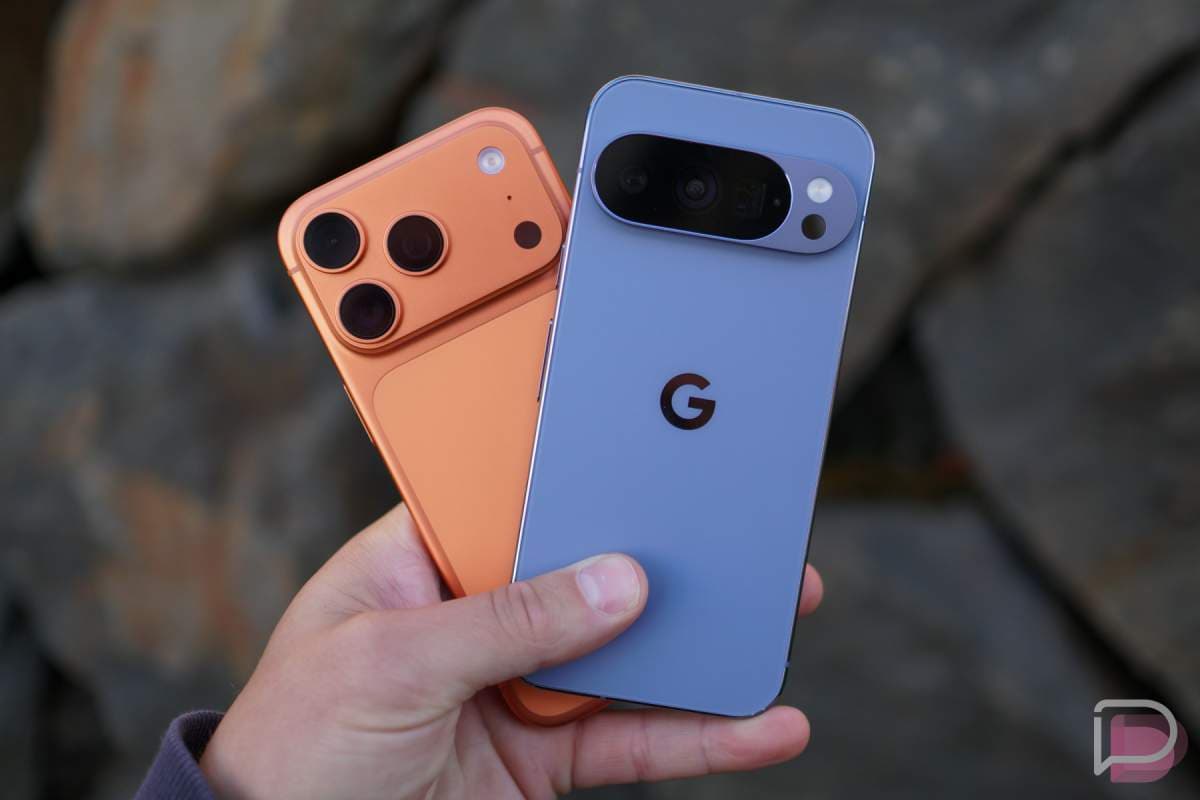
The Big News: Google and Apple Are Working Together to Help You Switch
For years, switching from an iPhone to an Android phone has been one of the most dreaded tech experiences around. Lost contacts, missing messages, broken app histories, and hours of manual setup have long made users hesitant to make the jump — even when Android devices offered hardware and features that iPhone couldn't match. But that era may finally be coming to an end.
With the release of Android 17, Google is introducing a completely revamped Android Switch process, and here's the part that raised eyebrows across the tech world: it was built in collaboration with Apple. Yes, you read that correctly. Two of the most fiercely competitive companies in the consumer technology space have apparently sat down together to make the process of leaving iPhone for Android as painless as possible. The result, according to early details, sounds genuinely impressive.
Why This Collaboration Matters
The rivalry between Apple and Google is legendary. These two companies have been competing for smartphone dominance for nearly two decades, each fighting to keep users locked tightly within their respective ecosystems. Apple has iMessage, AirDrop, iCloud, and a seamless hardware-software integration that makes leaving feel costly. Google has Gmail, Google Photos, Assistant, and a vast open platform that offers flexibility Apple simply doesn't. Each company has historically made it easy to come in and difficult to leave.
That's precisely why this collaboration is such a big deal. When competitors agree to cooperate on interoperability and data portability, it signals a meaningful shift in how the tech industry is beginning to think about user choice. Whether this was driven by regulatory pressure, user demand, or a genuine spirit of openness, the outcome benefits consumers enormously. If the new Android Switch tool works as advertised, it could fundamentally change the calculus for millions of people who've been curious about Android but reluctant to deal with the migration headache.
What We Know About the New Android Switch Process
Paul Dunlop, who serves as the Product Lead for Android Onboarding and Android Settings at Google, shared a detailed breakdown of how the new switch process works. His announcement generated significant buzz, and for good reason — the details paint a picture of a migration experience that is dramatically improved over anything that has come before it.
The new tool is designed to bring over more of your data than has ever been possible in previous iPhone-to-Android migration workflows. While earlier tools could handle basics like contacts and photos, the new process aims to go much deeper, capturing the kinds of app data and personal settings that previously required users to start completely from scratch on their new device.
Here's what the upgraded Android Switch experience is expected to offer:
- Broader data transfer coverage — More categories of personal data, including app-specific information, are brought over during the switch, reducing the amount of manual reconfiguration needed after setup.
- A smoother, guided experience — The onboarding flow is redesigned to walk users through the switch step by step, making it accessible even for people who aren't particularly tech-savvy.
- Apple collaboration baked in — Because the process was built with Apple's involvement, it is expected to work more reliably with iPhone data structures, rather than trying to work around them the way previous third-party tools have had to.
- Faster setup time — By handling more of the migration automatically, users should be up and running on their new Android device much more quickly than before.
Initial Skepticism and Why It's Starting to Fade
When the collaboration between Google and Apple on the Android Switch process was first announced, plenty of people — including seasoned Android enthusiasts — were skeptical. The history of cross-platform data tools is littered with tools that promised seamless migration and delivered frustration. More importantly, the idea of Apple actively helping users leave its ecosystem felt counterintuitive to everything the company has historically stood for.
But the specifics shared by Paul Dunlop have gone a long way toward shifting that skepticism. The level of detail in his announcement, combined with the credibility of his role at Google, suggests this is not vaporware or marketing spin. This is a real, shipping feature that appears to have been built thoughtfully, with genuine input from both sides of the aisle. That's a meaningful distinction.
What This Means for the Everyday User
If you've been sitting on the fence about switching from iPhone to Android — maybe you love the idea of a particular Android device but dread losing your iMessage history or having to re-download and reconfigure all your apps — Android 17's new switch process is directly aimed at removing those barriers.
The goal is simple: your new Android phone should feel like yours from the moment setup is complete, not like a blank slate that needs weeks of personalization before it's truly functional. For casual users especially, that difference is enormous. Most people don't want to think about file formats, backup protocols, or migration scripts. They just want their stuff to show up on the new phone.
The Broader Trend Toward Openness
This move by Google and Apple also reflects a broader industry trend that has been building momentum in recent years. Regulators in Europe and increasingly in the United States have been pushing large technology companies to make their platforms more open and interoperable. Initiatives around messaging standards, app store access, and data portability have all gained traction, and this collaboration can be seen as part of that same wave.
Whether Apple and Google will continue to cooperate on similar projects remains to be seen, but this is a promising sign that the walled garden era of consumer tech may be slowly, carefully cracking open.
Final Thoughts
The new Android Switch experience arriving with Android 17 is one of the most compelling reasons yet to consider making the move from iPhone to Android. A collaboration between two of the world's most powerful technology companies specifically designed to make your transition easier is not something that happens every day. If the feature delivers on its promise — and early indications suggest it very well might — the long-standing friction of platform switching could become a thing of the past. Keep an eye on Android 17's rollout, because this one is worth watching closely.