
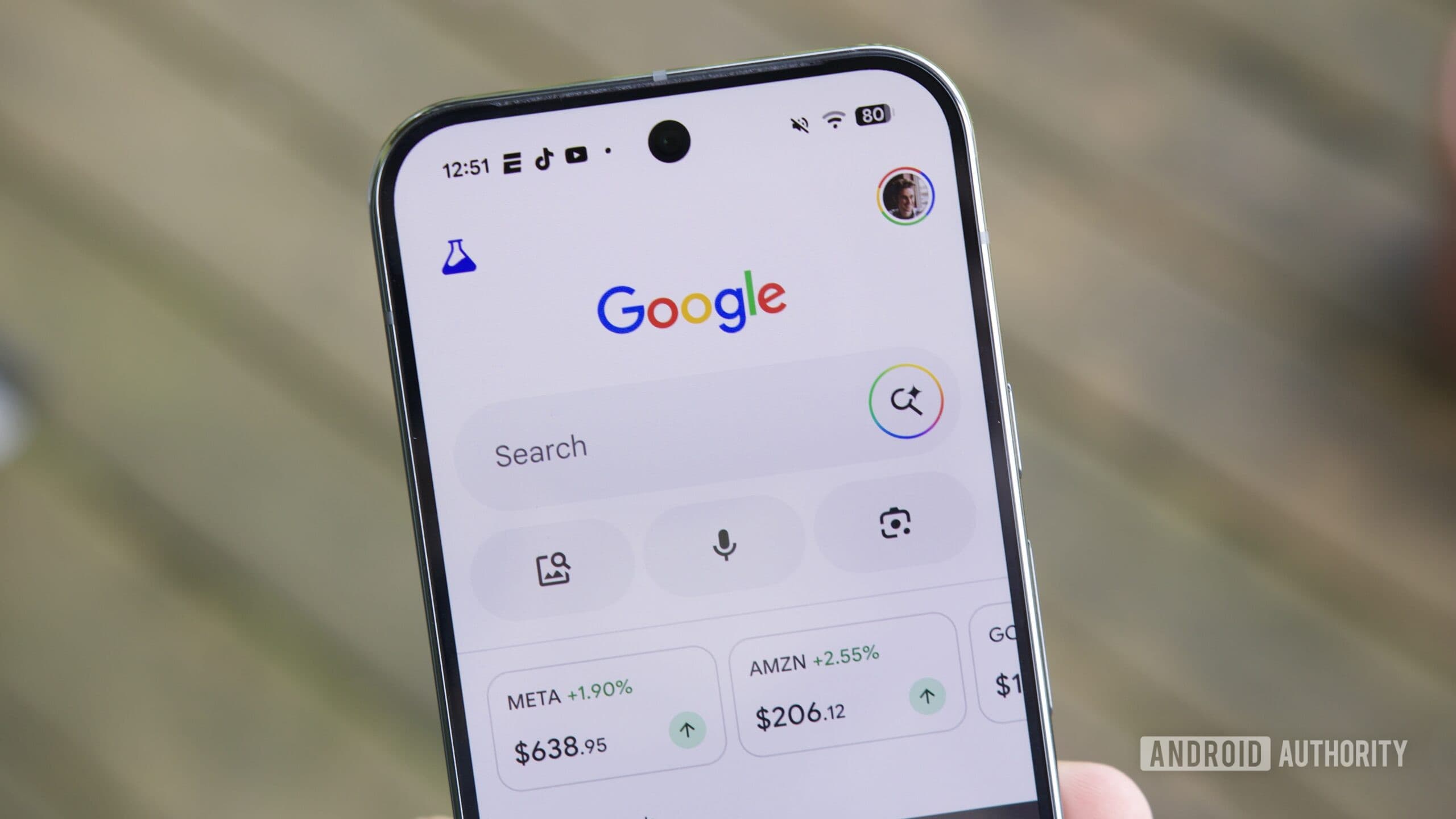
Google's AI Overview Is Accidentally Promoting DuckDuckGo
In one of the more ironic tech stories of the year, Google's own AI Overview feature is reportedly recommending that users visit DuckDuckGo's "No AI Search" page when they search for ways to avoid AI-generated results. The very tool Google built to showcase the power and utility of artificial intelligence in search is, in practice, pointing millions of frustrated users toward one of its biggest privacy-focused competitors. It's the kind of self-defeating loop that feels almost too strange to be real — yet it is, and it says a lot about the current state of the AI search landscape.
What Is Google's AI Overview, and Why Are People Trying to Avoid It?
Google's AI Overview (previously known as Search Generative Experience, or SGE) is an AI-powered feature that places a generated summary at the very top of search results pages. Instead of simply presenting links, Google now uses large language models to synthesize information and give users a direct answer before they ever scroll to an organic result.
While Google has marketed this as a faster, smarter way to search, a significant portion of users disagrees. Many people prefer traditional, link-based search results for a variety of reasons:
- Accuracy concerns: AI-generated answers have been widely documented to produce hallucinations — confident-sounding but factually incorrect information.
- Source transparency: Users often want to evaluate the credibility of a source themselves, rather than trust a synthesized summary.
- Publisher impact: Website owners and journalists have raised alarms that AI Overviews reduce click-through rates, effectively starving content creators of traffic they depend on.
- User experience preferences: Some people simply find the AI summaries disruptive to the familiar, reliable search workflow they've used for decades.
These concerns have grown loud enough that "how to turn off Google AI results" has become a common search query — which is precisely what set off this chain of events.
The Irony: AI Recommends an Escape From AI
When users type queries like "how to avoid AI search results" or "Google search without AI" into Google, the AI Overview feature activates and attempts to answer the question helpfully. The problem? The most relevant and direct answer it found was DuckDuckGo's dedicated "No AI Search" landing page — a page that the privacy-centric search engine built specifically to attract users who are fed up with AI-generated content cluttering their results.
In other words, Google's flagship AI feature is actively driving traffic to a competitor that has staked its brand on being the anti-AI search alternative. It's a feedback loop that undermines Google's broader strategic push to normalize and entrench AI in its search product. For DuckDuckGo, it's essentially free advertising delivered by the world's most dominant search engine.
DuckDuckGo's "No AI Search" — What Is It?
DuckDuckGo has long positioned itself as the privacy-first alternative to Google, emphasizing that it doesn't track users or build advertising profiles based on search behavior. In response to the growing AI search wave, the company created a dedicated experience that surfaces traditional, organic web results without AI summaries, AI-generated overviews, or large language model-powered answers injected at the top of the page.
The "No AI Search" feature resonates with a growing demographic of users who feel that AI is making search worse rather than better. DuckDuckGo has been quietly gaining traction among this group, and Google inadvertently directing users there is a remarkable competitive gift.
What This Tells Us About AI Search Adoption
The fact that "how to avoid Google AI results" is a popular enough query to trigger an AI Overview in the first place is telling. It signals meaningful user resistance to AI-powered search — a reality that the industry's relentless enthusiasm for generative AI sometimes obscures.
It also highlights a structural tension in how AI Overviews work. The feature is designed to answer questions accurately and helpfully, without filtering for whether the answer benefits Google. In this case, the most accurate answer to the user's question genuinely was "go to DuckDuckGo," and the model delivered it. That's not a bug in the traditional sense — but it is a deeply awkward outcome for Google's product strategy.
This moment mirrors a broader pattern of unintended consequences in AI deployment. When AI systems optimize purely for answering a question well, they don't always optimize for the business objectives of the company running them. That misalignment can produce surprising — and sometimes damaging — results.
Should You Switch to DuckDuckGo?
Whether DuckDuckGo is the right choice depends on what you value in a search engine. Here's a quick breakdown to help you decide:
- Privacy: DuckDuckGo doesn't track your searches or personalize ads based on your history, making it a strong choice for privacy-conscious users.
- Result quality: Google still leads in raw search result relevance and comprehensiveness, particularly for complex or niche queries.
- AI-free experience: If you want clean, traditional results without AI summaries, DuckDuckGo currently offers a more straightforward path to that experience.
- Ecosystem integration: Google Search integrates tightly with Gmail, Maps, Shopping, and other Google services — something DuckDuckGo doesn't replicate.
For many users, the answer may not be a permanent switch but a situational one — using DuckDuckGo when you want unfiltered, traditional results and Google when you need its deeper ecosystem capabilities.
Google's Challenge Going Forward
This incident puts a spotlight on a difficult balance Google must strike. The company has invested enormously in AI search, and retreating from it would be a major strategic reversal. Yet pushing AI features too aggressively risks alienating users who are already showing they'll go elsewhere if they feel the product no longer serves them.
At minimum, Google may need to offer clearer, more prominent options for users to toggle AI Overviews off — not buried in settings, but accessible at the point of search. Failing to do so could result in exactly what this story illustrates: users finding their own exits, sometimes with Google's own AI showing them the door.
The Bottom Line
The story of Google's AI Overview recommending DuckDuckGo is funny, ironic, and revealing all at once. It captures the messy reality of deploying AI at scale — where a feature designed to showcase intelligence ends up demonstrating how unpredictable that intelligence can be. For users frustrated with AI clutter in their search results, DuckDuckGo's no-AI option is worth exploring. And for Google, this incident is a small but pointed reminder that user trust and user choice can't simply be engineered away by pushing new features harder.