
The Race to Save Coral Reefs From a Warming World
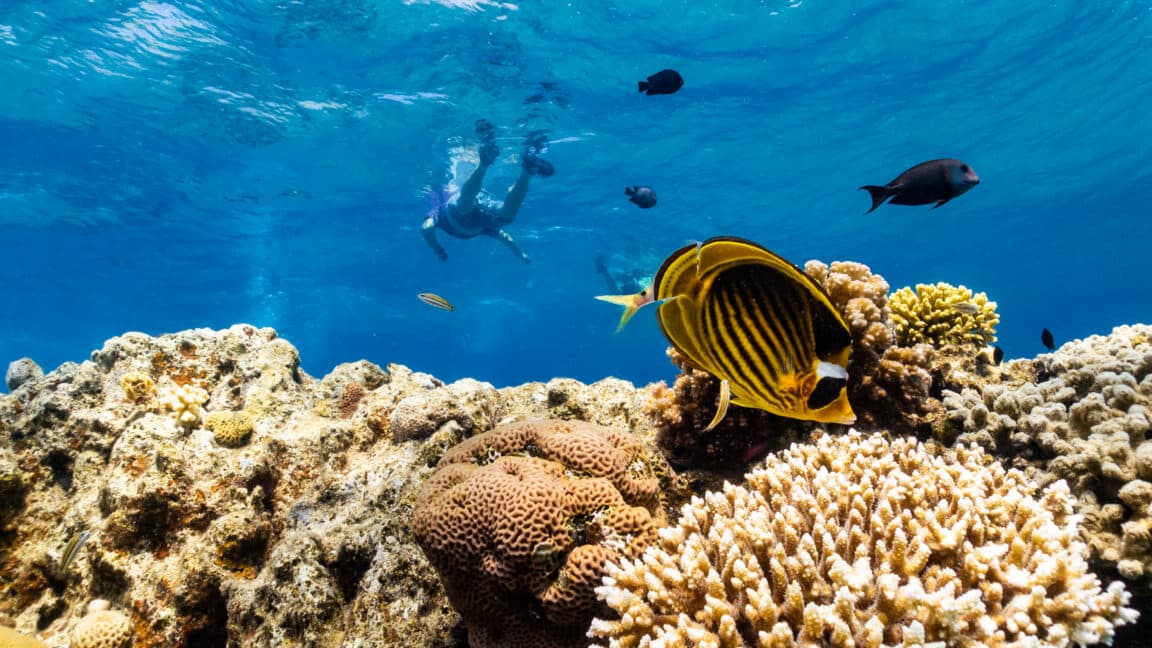
Coral reefs are among the most biodiverse and ecologically vital ecosystems on the planet. Often called the "rainforests of the sea," they support roughly 25% of all marine species despite covering less than 1% of the ocean floor. Yet today, these extraordinary underwater worlds face an existential threat: global warming. As ocean temperatures continue to climb at alarming rates, scientists are in a desperate race to understand which reefs might survive — and how to protect them before it is too late.
Robots Join the Fight for Coral Survival
In the turquoise lagoons of Majuro in the Marshall Islands, cutting-edge technology is changing the way researchers study coral ecosystems. Marine scientist Anne Cohen of the Woods Hole Oceanographic Institution in Cape Cod has been working alongside an unlikely dive partner — an autonomous surface robot known as Yellowfin. Gliding silently across the emerald waters of the Central Pacific, this unmanned vehicle has become one of the most dependable tools in the coral researcher's arsenal.
Programmed to navigate to precise GPS coordinates, Yellowfin ferries scientists like Cohen directly to specific reef sites, cutting through small swells with remarkable accuracy. What might have once required extensive manual navigation and guesswork can now be accomplished with pinpoint efficiency. For researchers studying remote and sensitive coral environments, tools like Yellowfin are not just conveniences — they are transformative assets that are accelerating the pace of discovery.
Cohen, a tenured scientist at Woods Hole, traveled thousands of miles to revisit her research sites in the Marshall Islands, driven by a critical question that the broader scientific community is rallying around: are there coral reefs out there that can withstand the rising heat of our changing climate?
Why Coral Reefs Are in Crisis
To understand the urgency of this research, it helps to understand what is happening to coral reefs around the world. Corals exist in a delicate symbiotic relationship with microscopic algae called zooxanthellae, which live within their tissues and provide up to 90% of the coral's energy through photosynthesis. When ocean temperatures rise even slightly above normal — typically just 1 to 2 degrees Celsius above the seasonal maximum — corals become stressed and expel these algae. The result is coral bleaching: the coral turns ghostly white, loses its primary energy source, and becomes highly vulnerable to disease and death.
Mass bleaching events have become more frequent and more severe. The Great Barrier Reef in Australia has experienced multiple back-to-back bleaching events in recent years. Reefs in the Caribbean, Southeast Asia, and the Pacific have all suffered significant losses. Scientists estimate that climate change has already damaged or destroyed a significant portion of the world's coral reefs, and projections suggest that without dramatic reductions in greenhouse gas emissions, the majority of reefs could be functionally extinct by mid-century.
Searching for Naturally Heat-Tolerant Reefs
Yet amid this grim picture, researchers like Cohen are pursuing a compelling hypothesis: some corals may already possess a natural tolerance to higher temperatures. These heat-resistant corals — and the reefs where they thrive — could hold the keys to reef survival in a warmer world.
Certain reef environments, such as shallow tidal pools, back-reef areas, and semi-enclosed lagoons, regularly experience temperature fluctuations that would bleach typical corals. Yet in some of these locations, corals have adapted to endure the heat. Scientists believe that studying these naturally resilient corals could reveal the genetic, physiological, and environmental factors that confer thermal tolerance.
The Marshall Islands, where Cohen conducts her fieldwork, represent a particularly important region for this research. Located in the Central Pacific, these low-lying atolls and lagoons experience a range of thermal conditions that make them ideal natural laboratories. By mapping which corals survive heat stress events and which do not, researchers can begin to identify the characteristics that define a reef's resilience.
The Broader Scientific Mission
Cohen's work is part of a larger global effort to document and protect heat-tolerant coral populations before they too are lost. Several key strategies are emerging from this research community:
- Genetic mapping: Scientists are sequencing the genomes of heat-resistant corals to identify the specific genes responsible for thermal tolerance, which could one day inform coral restoration efforts.
- Assisted evolution: Some researchers are exploring whether corals can be selectively bred or genetically assisted to become more resilient, then reintroduced to degraded reefs.
- Reef refugia identification: Mapping and protecting "refugia" — areas where cooler or more stable temperatures allow reefs to persist — is a growing conservation priority.
- Autonomous monitoring technology: Robots like Yellowfin allow for more consistent, precise, and scalable data collection across vast and often hard-to-reach reef systems.
Hope in the Data
While the science is sobering, researchers like Cohen are driven by a cautious but genuine sense of hope. Every heat-tolerant coral discovered, every resilient reef mapped, and every genetic marker identified is a potential lifeline for the future of coral ecosystems. These findings also help conservation organizations and governments prioritize which reefs to protect most urgently — an essential task given limited funding and resources.
The work being done in the Marshall Islands and elsewhere underscores a broader truth about our relationship with the natural world: understanding it deeply is the first step to saving it. Robots, genetics, field science, and global collaboration are all converging in the effort to give coral reefs a fighting chance against a warming planet.
What You Can Do
While the scientific community leads the technical charge, public awareness and individual action still matter. Reducing personal carbon footprints, supporting climate legislation, choosing reef-safe sunscreen, and advocating for marine protected areas all contribute to a larger culture of ocean stewardship. Coral reefs have survived ice ages and mass extinctions — but the speed of current climate change is unlike anything they have faced before. The window to act is narrow, and the science pointing us forward is more important than ever.