
What Does "Silent Service" Mean in the U.S. Navy?
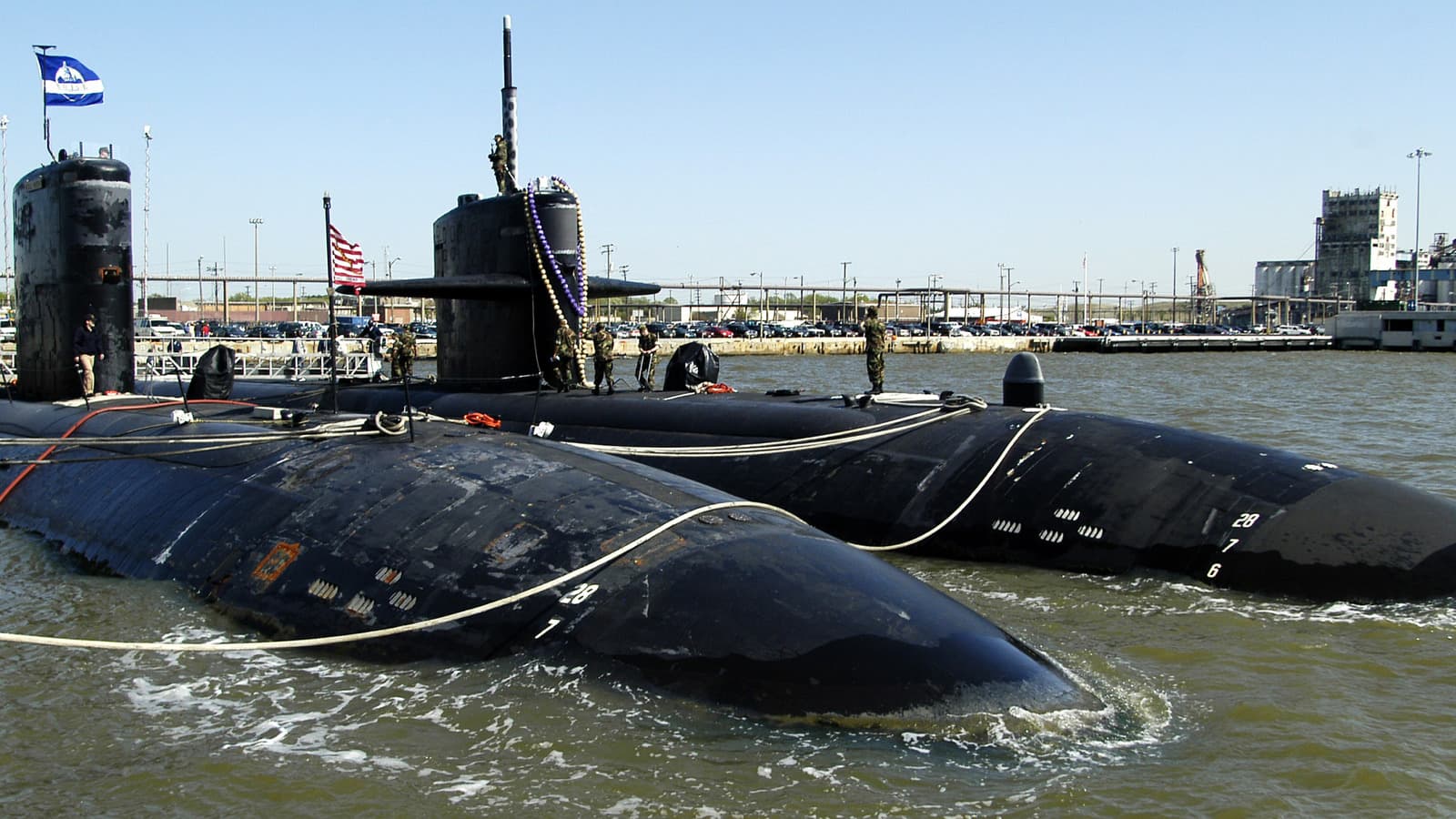
Few nicknames in the history of the United States military carry as much mystique, reverence, and earned respect as the "Silent Service." It is a term that conjures images of steel hulls slipping silently beneath the ocean's surface, invisible to enemy eyes and radar alike. But beyond the dramatic imagery, the nickname carries deep meaning rooted in the operational realities, wartime secrecy, and unique culture of the U.S. Navy's submarine force. Understanding what the Silent Service truly means requires a look at history, strategy, and the extraordinary demands placed on the men and women who serve beneath the waves.
The Origin of the "Silent Service" Nickname
The term "Silent Service" has been associated with the U.S. Navy's submarine branch for decades, though its popularization is often traced back to World War II. American submarines played an outsized role in the Pacific Theater, quietly decimating Japanese shipping lanes and supply lines with devastating effectiveness. Yet their contributions were largely unknown to the American public at the time.
The reason for this secrecy was strategic necessity. Submarine operations depended entirely on stealth and surprise. Publicizing the movements, methods, or successes of submarine crews would have tipped off enemy forces, potentially costing lives and missions. As a result, submariners did their work in near-total silence — not just physically beneath the water, but also in terms of public recognition and media coverage. They fought, succeeded, and sometimes died without the fanfare given to other branches of the armed forces.
This culture of silence, born from operational security, gave rise to the nickname that persists to this day. The Silent Service was silent not just because submarines are designed to avoid detection, but because the nature of submarine warfare demanded discretion at every level.
Why Submarines Must Stay Silent
To understand the nickname on a technical level, it helps to understand how submarines operate. Unlike surface ships, submarines rely on stealth as their primary defense. A submarine that is detected by enemy sonar is a submarine in mortal danger. This means that every system, every movement, and every action aboard a submarine must be carefully managed to minimize noise output.
- Acoustic signature management: Modern U.S. Navy submarines are engineered with noise-dampening technologies, including specially mounted equipment, sound-absorbing hull coatings, and machinery designed to operate as quietly as possible.
- Crew behavior: Submariners are trained to move quietly and minimize unnecessary sound during certain operational phases. Even dropping a tool in the wrong moment can theoretically compromise a mission.
- Communication restrictions: Submarines at depth often maintain strict radio silence, as transmitting signals can reveal their position. They receive orders but often cannot respond without surfacing or using specialized communication buoys.
This technical necessity for silence reinforces the cultural and historical roots of the nickname, making it doubly appropriate. The submarine force is literally and figuratively the silent branch of the Navy.
The Role of the Silent Service in National Defense
The U.S. Navy's submarine fleet is one of the most powerful and strategically vital components of American military power. Today's submarine force operates across a wide range of missions that make it indispensable to national security.
Strategic Nuclear Deterrence
Ohio-class ballistic missile submarines, known as SSBNs or "boomers," form the sea-based leg of the United States nuclear triad. These submarines carry Trident II D5 ballistic missiles and remain submerged for months at a time, continuously on patrol and ready to respond to a nuclear attack. Because they are virtually undetectable, they represent a guaranteed second-strike capability — a cornerstone of the doctrine of mutually assured destruction that has helped prevent nuclear conflict for decades. The silent nature of these submarines is not just a tactical advantage; it is the very foundation of their strategic value.
Intelligence Gathering and Surveillance
Attack submarines, designated SSNs, are regularly deployed for intelligence-gathering missions. They can shadow foreign naval vessels, monitor communications, and collect data without the target nation ever knowing they were present. This kind of silent, persistent surveillance is something no surface ship or aircraft can replicate.
Anti-Submarine and Anti-Surface Warfare
U.S. Navy attack submarines are also designed to hunt and destroy enemy submarines and surface ships. Armed with torpedoes and cruise missiles, they can strike from positions of total concealment, projecting tremendous power while remaining invisible.
The Culture and Brotherhood of Silent Service Submariners
Serving aboard a submarine is one of the most demanding assignments in the entire U.S. military. Submariners are an all-volunteer force even within the Navy, and they undergo rigorous training and screening before being allowed to serve. The isolation, confined quarters, extended deployments, and psychological demands of submarine life create an unusually tight-knit community.
The culture of the Silent Service is one of extreme professionalism, mutual dependence, and quiet pride. Submariners rarely boast about their accomplishments — partly due to classification restrictions, but also because that reserved, mission-focused ethos is genuinely embedded in submarine culture. They do not seek the spotlight. They do the job, return home, and keep their secrets.
A Legacy That Endures
From the wolf packs of World War II to the nuclear-armed patrols of the Cold War and the precision strike missions of the modern era, the Silent Service has consistently proven its value to American national defense. Its nickname is not merely a catchy phrase — it is an accurate description of how these sailors operate, why they are effective, and what they stand for.
In a military culture that often celebrates visibility and recognition, the submarine force has chosen a different path. They guard their secrets, perfect their craft, and protect the nation from the deep — silently, relentlessly, and without asking for applause. That, in every sense of the word, is what the Silent Service means.