
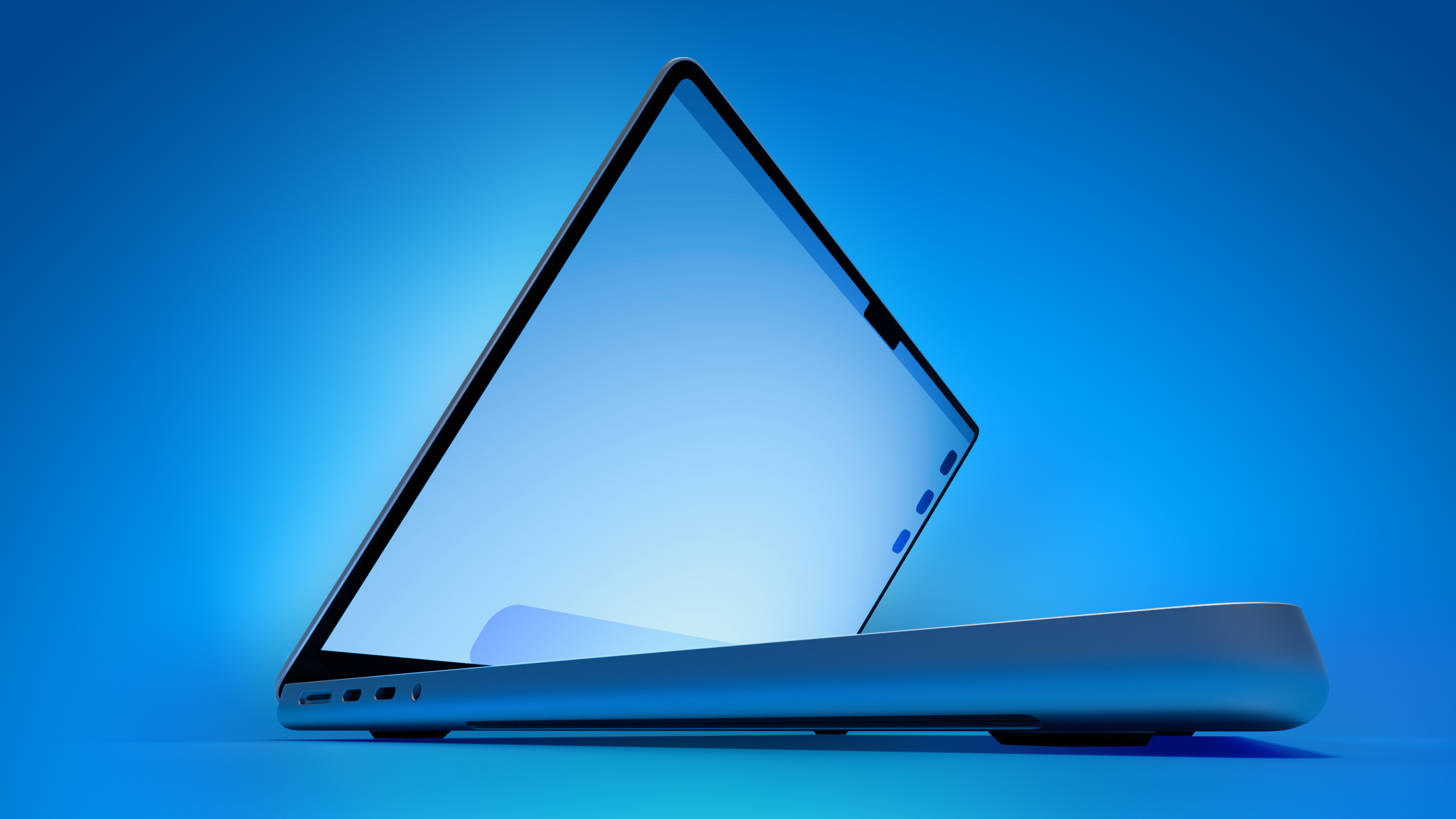
Apple's macOS 27 Golden Gate May Be Teasing a Game-Changing MacBook Ultra
Apple officially unveiled macOS 27 Golden Gate this week, and while the software update brings a host of refinements and new features on its own, it also quietly dropped several significant clues about a rumored new Mac that the Apple community has been buzzing about for months: the MacBook Ultra. For those paying close attention, macOS 27 hints at the MacBook Ultra in at least three distinct and meaningful ways — all centered around touch-screen interaction and the iconic Dynamic Island feature. Here is everything you need to know.
What Is the Rumored MacBook Ultra?
Before diving into the hints embedded in macOS 27, it is worth understanding what the MacBook Ultra is rumored to be. According to a growing body of leaks and analyst reports, the MacBook Ultra would sit above the current MacBook Pro lineup as Apple's most powerful and feature-rich laptop to date. This is not simply a spec bump — it would represent an entirely new tier in Apple's Mac notebook family.
The rumored MacBook Ultra is expected to arrive with several headline features that would set it apart from anything Apple has shipped in a Mac laptop before:
- An OLED display for richer colors, deeper blacks, and improved power efficiency compared to current Liquid Retina XDR panels
- Full touch-screen capabilities, a feature Apple has long resisted bringing to macOS
- A Dynamic Island, the pill-shaped interactive notch area first introduced on iPhone 14 Pro
- A noticeably thinner design that would bring the MacBook Ultra in line with Apple's ongoing push toward slimmer form factors
- Next-generation M6 Pro and M6 Max chips delivering class-leading performance for professionals and power users
With that context in mind, the three hints buried inside macOS 27 start to look much more intentional than coincidental.
Hint #1: Direct Touch Input Comes to Sidecar
The first and perhaps most telling hint is a new enhancement Apple made to Sidecar in macOS 27. Sidecar is the existing feature that lets you use an iPad as a secondary display for your Mac. It has been a useful productivity tool for years, but it has always functioned more like a mirrored or extended monitor — you still used your Mac's mouse and keyboard to interact with content on the iPad screen.
That changes with macOS 27. Apple has now added direct touch input to Sidecar, meaning users can tap and interact with macOS interface elements directly with their finger on the iPad display. You can scroll, tap buttons, open apps, and navigate macOS as you would on a native touch screen — all through the iPad acting as a display for your Mac.
This is a significant shift in philosophy. Apple has spent years arguing that touch input on a Mac does not make ergonomic or practical sense, famously citing the "gorilla arm" problem. The fact that they are now building and shipping touch interaction for macOS — even if currently channeled through an iPad via Sidecar — strongly suggests that they are actively preparing macOS itself to support direct touch input on a device that has a screen you can actually touch. That device, most analysts believe, is the MacBook Ultra.
Hint #2: Pull-to-Refresh Finally Arrives on Mac
The second hint is a feature that iPhone and iPad users have taken for granted for years: pull-to-refresh. With macOS 27, Apple has brought this gesture to the Mac for the first time, allowing users to swipe downward on the trackpad to refresh content in apps including Safari, Mail, News, Podcasts, and Calendar.
On its surface, this might seem like a minor quality-of-life improvement for trackpad users. But the deeper implication is hard to miss. Pull-to-refresh is fundamentally a touch-first interaction pattern. It was designed for fingers on glass, not for trackpads and cursors. The fact that Apple has translated this gesture to the trackpad suggests the company is building a unified interaction framework — one that would feel natural whether a user is swiping on a trackpad or directly dragging a finger across a touch-enabled display.
In other words, Apple appears to be laying the groundwork in macOS so that when a MacBook with a touch screen arrives, the operating system and its apps are already optimized for that mode of input. Shipping pull-to-refresh now gives developers and users time to adapt to the gesture before it becomes a literal tap-and-swipe experience on the MacBook Ultra's screen.
Hint #3: Dynamic Island Infrastructure in macOS 27
The third hint relates to the Dynamic Island. Apple introduced the Dynamic Island on the iPhone 14 Pro as a clever way to repurpose the space around the front camera and Face ID sensors into a living, interactive UI element. It has since expanded across the entire iPhone lineup and even made its way to iPad. macOS 27 contains early infrastructure and API-level references that point toward Dynamic Island support making its way into macOS — something that would only make sense if Apple is planning a Mac with the physical hardware to support it.
A MacBook Ultra with a Dynamic Island would allow the laptop to display live activity notifications, ongoing audio playback, timers, navigation prompts, and other real-time information in that space near the top of the display — much like it does on iPhone. This would require both hardware changes to the MacBook's display notch area and corresponding software support, and it appears macOS 27 is beginning to build the latter.
What This All Means for Apple's Mac Roadmap
Taken individually, each of these three hints could be explained away as standalone features aimed at improving macOS for existing hardware. But taken together — direct touch input via Sidecar, pull-to-refresh as a gesture pattern, and Dynamic Island infrastructure — they paint a clear and coherent picture of Apple systematically preparing macOS for a fundamentally new type of Mac.
The MacBook Ultra, if the rumors hold true, would be the most significant redesign of Apple's laptop lineup in over a decade. It would combine the portability and form factor of a MacBook with interaction models previously exclusive to iPhone and iPad, creating a device that bridges Apple's product ecosystems in ways that have never been attempted before.
Apple has not confirmed any of this, and the MacBook Ultra remains an unannounced product. However, if macOS 27 Golden Gate tells us anything, it is that Apple is not simply speculating about these features internally — they are actively shipping the software foundations that would make a touch-screen, Dynamic Island-equipped MacBook a reality. Whether the MacBook Ultra arrives later this year or early next, the groundwork being laid right now in macOS 27 suggests it is closer than many people think.
Stay tuned to the latest Apple news as more details emerge about the MacBook Ultra, M6 chips, and Apple's broader plans for the future of the Mac.