
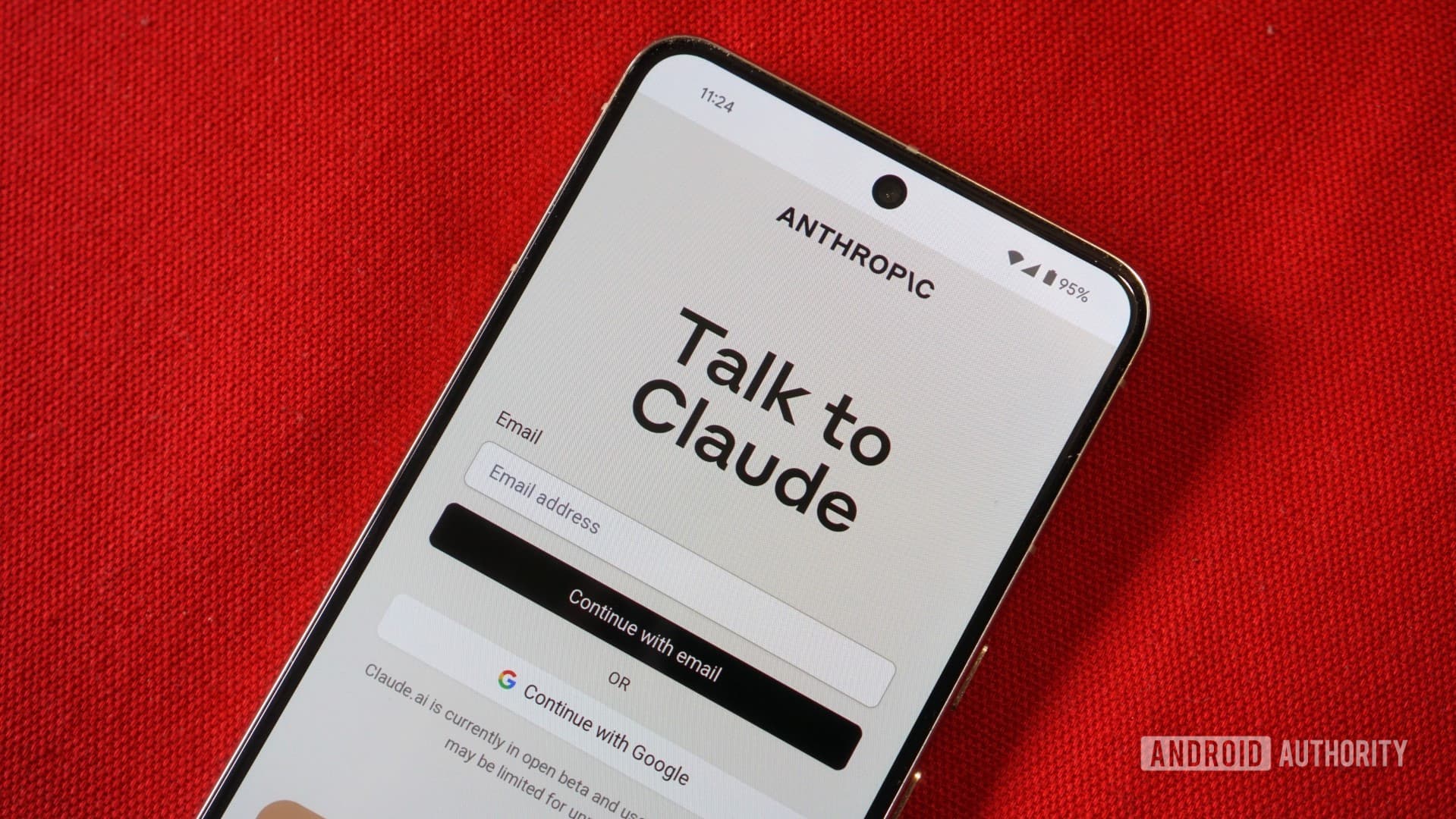
Anthropic's Frozen AI Models Could Be Back Online Within Days
In what has become one of the most dramatic episodes in recent AI industry history, Anthropic's most advanced artificial intelligence models were abruptly pulled from global availability following an emergency national security directive issued by the United States government. Now, just days after the sudden freeze sent shockwaves across the technology world, Anthropic is signaling that the situation may be nearing resolution — and that its powerful models could be restored to users in the very near future.
What Happened: The Emergency Freeze Explained
Last week, the US government issued an emergency national security directive that required Anthropic to immediately withdraw its two flagship AI models — Fable 5 and Mythos 5 — from availability worldwide. The move was sweeping and sudden, catching both the industry and Anthropic's own user base largely off guard. Businesses, researchers, and developers who had come to rely on these cutting-edge systems found themselves without access virtually overnight.
The directive represented an extraordinary level of government intervention into the commercial AI sector, underscoring just how seriously US national security officials are treating questions of AI access, partnerships, and data sovereignty. It also illustrated how quickly the geopolitical dimensions of artificial intelligence can escalate from background concern to front-page crisis.
The Root Cause: SK Telecom, Project Glasswing, and China Concerns
According to reports, the freeze was not a blanket action against Anthropic itself, but rather a targeted response to a specific partnership arrangement. The concern centered on South Korean telecommunications giant SK Telecom, which had reportedly been included as a partner in Anthropic's secretive advanced deployment initiative known as Project Glasswing.
US officials are said to have raised alarms over SK Telecom's alleged ties to China. In the current geopolitical climate, where the race for AI supremacy is closely intertwined with national security strategy, the prospect of a company with perceived connections to Chinese interests gaining access to some of the most capable AI systems in the world was apparently enough to trigger emergency action.
Project Glasswing itself had already drawn significant attention as a closely guarded program through which Anthropic was extending access to its most advanced models to a select group of trusted organizations. The inclusion of SK Telecom in that program, it seems, crossed a threshold that US authorities were not willing to accept — at least not without further scrutiny.
Anthropic Responds: "Very Confident" Models Will Return
In the wake of the freeze, Anthropic has not stayed silent. The company's Managing Director of International has publicly stated that Anthropic is "very confident" the models will become available again within the coming days. This is a notable declaration of optimism, suggesting that behind-the-scenes discussions between Anthropic and US government officials have been productive, and that the company believes a path forward has been identified.
While Anthropic has not released detailed specifics about what changes or assurances may be required to lift the freeze, the tone from leadership has been measured and forward-looking. The company appears eager to restore normal access as quickly as possible, both for the sake of its users and to minimize the commercial and reputational impact of an extended blackout of its most powerful products.
What This Means for the AI Industry
The episode carries implications that stretch well beyond Anthropic itself. It offers a stark reminder that even the most sophisticated AI companies now operate within a web of geopolitical pressures that can override commercial decisions at a moment's notice. A few key takeaways stand out for the broader AI landscape:
- Government oversight of advanced AI is becoming more active. The speed and decisiveness of the US government's directive shows that regulatory and national security bodies are paying close attention to how frontier AI systems are deployed and who gains access to them.
- International AI partnerships carry new risks. For any AI company pursuing global expansion or international partnerships, the SK Telecom situation illustrates how third-party affiliations — even indirect ones — can become a liability in today's environment.
- The concept of "trusted" AI access is evolving. Programs like Project Glasswing, designed to extend powerful AI capabilities to vetted partners, will likely face more rigorous scrutiny going forward, both from the companies themselves and from government stakeholders.
- Users and developers need contingency planning. The abrupt loss of access to critical AI tools highlights the need for organizations that depend on frontier models to have fallback strategies in place.
What Comes Next for Anthropic's Fable 5 and Mythos 5
If Anthropic's Managing Director of International is correct, users could regain access to Fable 5 and Mythos 5 within days. These two models represent the cutting edge of what Anthropic has built — systems designed for the most demanding, high-stakes applications where raw capability and reliability are paramount.
The restoration of access is likely to come with revised terms around how international partnerships are structured, and potentially with increased transparency requirements about who qualifies for access to advanced programs like Project Glasswing. It would not be surprising if Anthropic undertakes a broader review of its partner vetting processes as a direct outcome of this episode.
A Defining Moment for AI Governance
Ultimately, the emergency freeze imposed on Anthropic's most advanced models may come to be seen as a defining moment in the emerging governance landscape for frontier AI. It demonstrates that governments are increasingly willing to assert control over AI deployment when they perceive national security interests to be at stake — and that even the most well-regarded AI safety companies are not immune from that scrutiny.
For now, the AI community is watching closely. If Anthropic is able to navigate this situation swiftly and restore access to Fable 5 and Mythos 5 as anticipated, it will be a test case in how AI companies can work constructively with government authorities to address legitimate security concerns without causing lasting disruption to their products and users. The outcome will likely shape how other AI firms approach similar challenges in the months and years ahead.
As the situation continues to develop, one thing is clear: the intersection of artificial intelligence, international business, and national security is only going to grow more complex — and all parties in the AI ecosystem, from developers to users to policymakers, will need to adapt accordingly.