
Apple Explains Why watchOS 27 Drops Support for So Many Models
Every year, Apple releases a new version of watchOS and, along with it, a list of devices that will no longer be supported. But this time around, the situation is notably different. With the release of watchOS 27, Apple is cutting off support for not just one or two older models, but an entire generation of Apple Watch devices — and the company has now stepped forward to explain exactly why.
The Apple Watch Series 6, Series 7, Series 8, SE 2, and the original Apple Watch Ultra have all been confirmed to miss out on watchOS 27. This effectively means Apple has dropped three years' worth of device support in a single software update, something that is virtually unprecedented for the Apple Watch product line. Naturally, this decision has raised eyebrows among loyal Apple Watch users who expected their devices to remain supported for longer.
What Apple Had to Say About the Decision
Rather than staying silent, Apple has been relatively transparent about the reasoning behind this significant support cutoff. Speaking to TechRadar, Cait Dooley, Apple Watch and Health product marketing manager, pointed directly to performance requirements as the driving factor behind the decision.
"With every software release across every single one of our platforms, we always want to ensure that you have the best experience, so we make power and performance a priority," Dooley explained. "The great new features in watchOS, including the capabilities of Siri AI and the new tap gesture, work best with the processing power that is in Apple Watch Series 9 and later, Ultra 2 and later, and SE 3."
In other words, the new headline features of watchOS 27 — most notably the revamped Siri AI assistant and the new tap gesture — simply require more processing power than older Apple Watch models can deliver. Apple is not dropping these devices out of negligence or a push for faster upgrade cycles, the company says, but rather out of a desire to ensure users get the best possible experience from the software.
Which Apple Watch Models Are Affected?
To be clear about exactly which devices are losing full watchOS support, here is a breakdown of the models that will not receive watchOS 27:
- Apple Watch Series 6 — Released in 2020, this model was long considered one of the most capable Apple Watches of its era, featuring an always-on display and blood oxygen monitoring.
- Apple Watch Series 7 — Introduced in 2021 with a larger, more refined display and faster charging, the Series 7 is now being left behind after just a few years on the market.
- Apple Watch Series 8 — Perhaps the most surprising exclusion, the Series 8 was released in 2022 and is now missing out on a major software update sooner than many users anticipated.
- Apple Watch SE 2 — Apple's budget-friendly option from 2022 will also miss out on watchOS 27 and its new features.
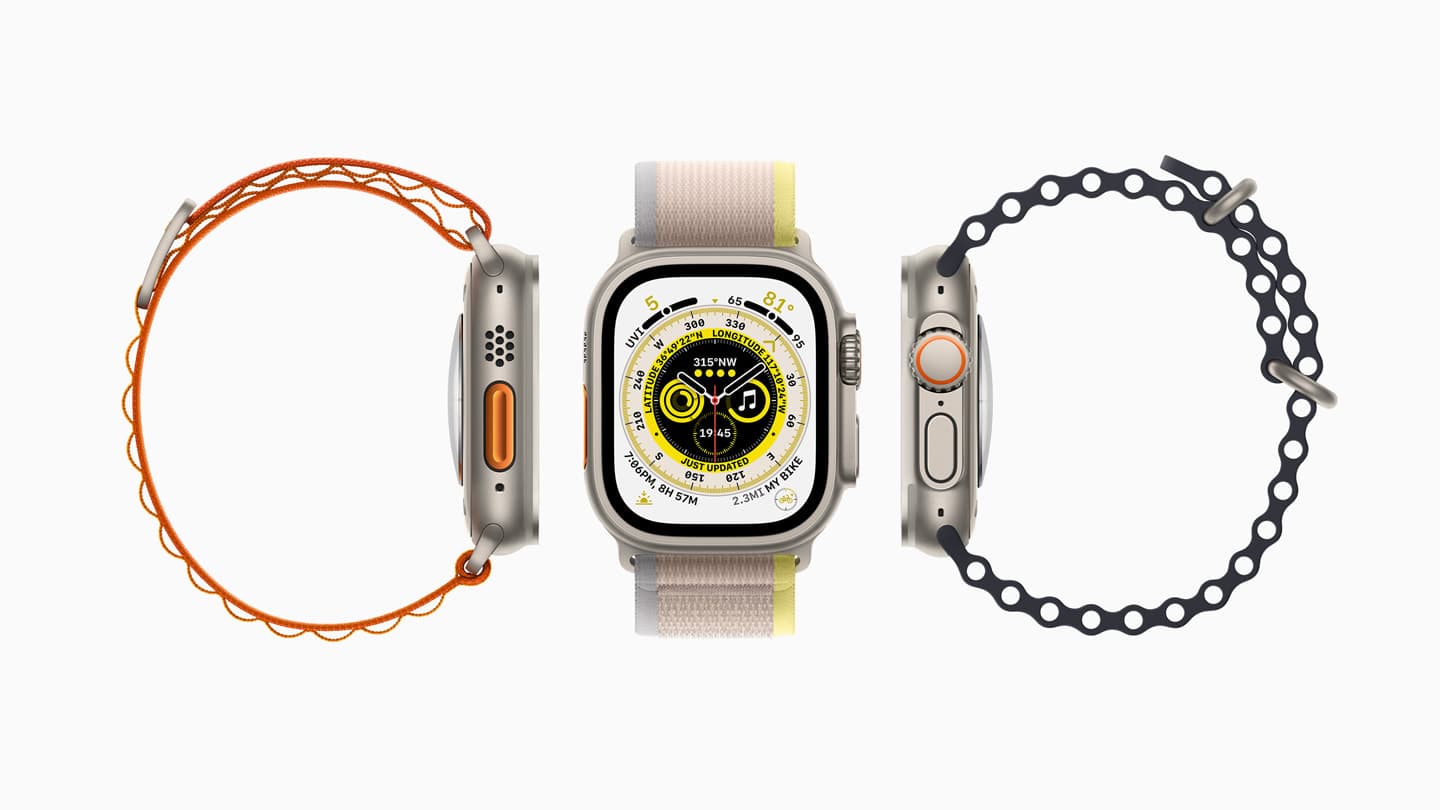
- Apple Watch Ultra (1st generation) — Apple's flagship model from 2022, built for extreme athletes and outdoor enthusiasts, is also being left behind despite its premium status at launch.
All five of these models will continue to receive basic security updates, which means they won't be left entirely vulnerable, but they will no longer benefit from new features, performance improvements, or the headline Siri AI capabilities coming with watchOS 27.
The Role of Siri AI in the Compatibility Cutoff
One of the most significant additions in watchOS 27 is a major upgrade to Siri, described as a new Siri AI assistant that goes well beyond the voice assistant functionality Apple Watch users have had access to in previous versions. This kind of on-device AI processing demands substantially more computational power, and it appears to be one of the primary reasons why the cutoff has been set at the Apple Watch Series 9, Ultra 2, and SE 3.
The Apple Watch Series 9 and Ultra 2 both feature Apple's S9 chip, which represented a significant performance leap over the S8 chip found in the Series 8 and Ultra 1. The newer chip enables faster on-device machine learning and processing, which is crucial for delivering a smooth and responsive AI experience directly from the wrist. Apple has consistently argued that introducing features that run poorly on older hardware does more harm than good for the user experience, and this situation appears to be a direct extension of that philosophy.
What Happens to Unsupported Apple Watches?
For users still rocking one of the five affected models, the situation is not entirely bleak. Dooley confirmed that older Apple Watches paired with an iPhone running the latest software will continue to work as expected. The core functionality of the watch — fitness tracking, heart rate monitoring, notifications, and more — will remain intact. Security updates will also continue to arrive, offering some reassurance that these devices won't become security liabilities overnight.
However, users who want access to the new Siri AI features, the tap gesture, and other watchOS 27 exclusives will need to consider upgrading to a newer model. Given that the Series 9 has been available since 2023, there are already several supported options at various price points for those looking to make the jump.
A Significant but Explainable Shift
While dropping three years of Apple Watch support in a single update is undeniably a bold and somewhat jarring move, Apple's explanation does offer a reasonable rationale. The company is leaning heavily into on-device AI, and delivering that experience requires hardware capable of keeping up. The Apple Watch Series 9, Ultra 2, and SE 3 provide that foundation; older models simply do not.
For consumers, the message is clear: if you want the full watchOS 27 experience, including the most convenient new way to interact with Siri on your wrist, it may be time to start thinking about an upgrade. For those who are happy with their current Apple Watch and its existing capabilities, the device will continue to function reliably — just without access to the exciting new features Apple has in store for watchOS 27.