
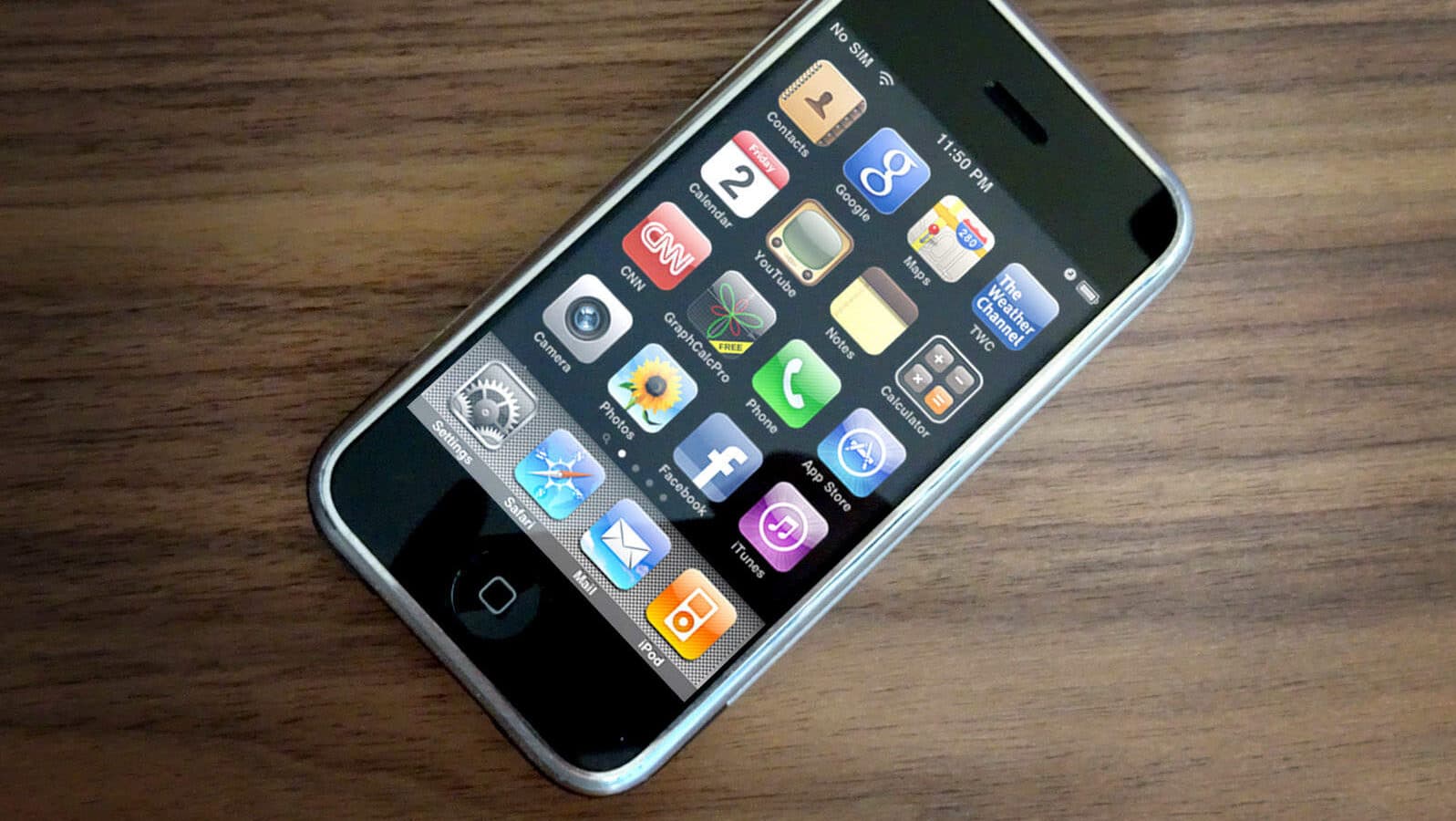
iPhone OS 3: The Update That Finally Gave iPhone Users Copy and Paste
It is hard to imagine using a smartphone today without the ability to copy and paste text. From forwarding a friend's address to sharing a snippet from an article, cut, copy, and paste is one of those foundational interactions that modern mobile computing takes entirely for granted. But for the first two years of the iPhone's existence, Apple's revolutionary device shipped without this basic capability. That all changed on June 17, 2009, when Apple officially released iPhone OS 3 — an update that went down in Apple history as one of the most celebrated software releases the company had ever delivered to its existing user base.
A Brief History of the iPhone Before OS 3
When Steve Jobs unveiled the original iPhone in January 2007, he described it as a revolutionary product that combined three devices: a widescreen iPod, a revolutionary mobile phone, and a breakthrough internet communications device. The audience was mesmerized, and rightfully so. The iPhone's multi-touch interface, its full web browser, and its elegant design set it apart from every other handset on the market.
Yet, despite all its innovation, the original iPhone OS launched with some glaring omissions. There was no App Store, no third-party apps, no MMS messaging, no video recording, and — perhaps most infuriatingly to power users — no cut, copy, or paste functionality. Critics and tech commentators were quick to point this out, and for two full years, Apple fans endured the frustration of not being able to copy a phone number from an email or paste a web address into a message.
iPhone OS 2, released in July 2008 alongside the iPhone 3G, introduced the landmark App Store and opened the door to third-party applications. It was a massive leap forward. But copy and paste still didn't make the cut. By 2009, the absence of this feature had become something of a running joke in the tech world, and competitive pressure from Android and other platforms was mounting. Apple knew it had to act.
What iPhone OS 3 Brought to the Table
Released on June 17, 2009, iPhone OS 3 was a comprehensive overhaul that addressed years' worth of user complaints in a single, sweeping update. It was compatible with the original iPhone, the iPhone 3G, and, later that month, the brand-new iPhone 3GS. The software update was free for iPhone users and available for iPod touch users for a small fee.
The headline feature, without question, was Cut, Copy, and Paste. Apple implemented it in a characteristically elegant way. Users could double-tap on a word to select it, then drag the selection handles to expand or shrink the highlighted region. A contextual bubble menu would appear above the selected text, offering options to Cut, Copy, or Paste. It was intuitive, visual, and felt very much like an Apple solution — one that the company seemed to have been refining carefully rather than rushing out the door.
But iPhone OS 3 was far more than just copy and paste. The update packed in over 100 new features, including:
- MMS support — Users could finally send and receive picture messages, a feature that competing phones had offered for years.
- Push Notifications — Apple's push notification system was improved, laying the groundwork for richer, more reliable app alerts.
- Spotlight Search — A system-wide search feature allowed users to search across contacts, emails, calendars, and apps from a single swipe-left screen.
- Voice Memos — A new built-in app allowed users to record audio directly on their iPhones.
- Tethering — The OS introduced internet tethering capabilities, allowing the iPhone to act as a personal hotspot (though carrier support varied widely).
- In-App Purchases — Developers gained the ability to sell additional content or features from within their apps, a change that would prove enormously significant for the App Store economy.
- Peer-to-Peer Connectivity — Bluetooth-based peer-to-peer functionality opened the door for multiplayer gaming and data sharing between nearby iPhones.
- Landscape Keyboard — More apps gained access to the wider landscape keyboard, making typing on the iPhone more comfortable.
Why Copy and Paste Felt Like Such a Big Deal
In the context of today's feature-rich smartphones, it might seem puzzling that copy and paste warranted so much attention. But in 2009, its arrival was genuinely significant for several reasons. First, it validated a core criticism of the iPhone and demonstrated that Apple was listening to its users. Second, it arrived in such a polished, well-thought-out form that it became a model for how touch-based text selection should work — an approach that influenced the wider mobile industry.
The feature was also a signal of Apple's broader philosophy: the company preferred to wait until it could implement a feature properly rather than ship something half-finished. Whether you agreed with that approach or found it frustrating, the result in this case was a text selection system that felt native, fluid, and genuinely pleasant to use.
The Legacy of iPhone OS 3
Looking back, iPhone OS 3 represents a pivotal chapter in Apple's mobile software story. It filled in the gaps left by the first two iterations of the platform and set the iPhone on a firmer competitive footing against a rising Android ecosystem. Features like in-app purchases would go on to reshape the entire mobile app economy, generating billions of dollars in revenue for developers and Apple alike. Spotlight Search became a permanent fixture of iOS, evolving over the years into an increasingly powerful tool.
The release also marked a turning point in public perception of Apple's software updates. Rather than simply introducing new hardware each year, Apple demonstrated it could meaningfully improve existing devices through software — a promise it has continued to make with every major iOS release since.
Remembering a Milestone in iPhone History
June 17, 2009, may not be circled on many calendars, but for anyone who lived through the early iPhone era, the day iPhone OS 3 dropped holds a special place in tech history. It was the day millions of iPhone users finally got to tap, hold, drag, and paste — and it felt like nothing short of a revelation. In the grand timeline of Apple history, iPhone OS 3 stands as proof that great software, even when delayed, can be well worth the wait.