
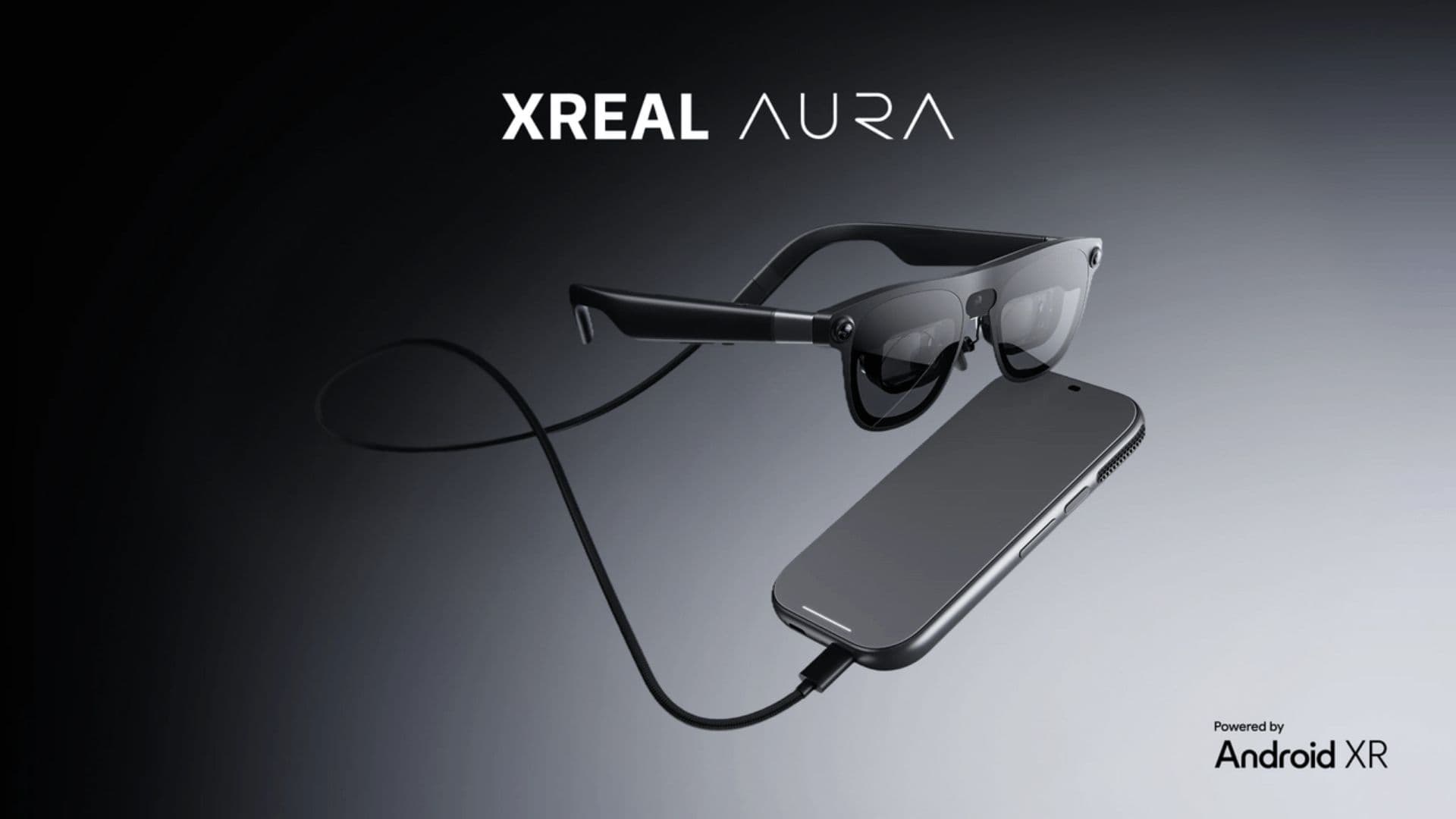
Xreal Aura Smart Glasses: Everything You Need to Know
The smart glasses market is heating up fast, and Xreal just turned up the temperature. The company has officially unveiled the Xreal Aura, a new pair of mixed reality smart glasses designed to bring a fully connected, AI-enhanced visual experience to everyday users — all for under $1,500. With the wearable tech space seeing fresh competition from players like Snap, Meta, and Google's hardware partners, the Aura's combination of cutting-edge display technology, an open operating system, and a relatively accessible price point could make it one of the most compelling AR devices of the year.
What Is the Xreal Aura?
The Xreal Aura is a pair of optical see-through smart glasses built for mixed reality use. Unlike fully enclosed headsets such as the Apple Vision Pro, the Aura allows users to remain visually connected to their physical surroundings while simultaneously overlaying digital content in their field of view. This approach, known as Optical See-Through (OST), makes the glasses more practical for extended everyday wear, whether you're at your desk, commuting, or moving around your home.
What sets the Aura apart from many competitors is its choice of operating system. The glasses run Android XR, Google's dedicated platform for mixed reality devices. This means users gain immediate access to the growing Android XR app ecosystem right out of the box, rather than being locked into a proprietary software environment with limited third-party support.
Display Technology: Dual Sony Micro-OLED Panels
One of the Aura's headline features is its display hardware. The glasses are powered by dual Sony Micro-OLED panels, each offering a resolution of 1,920 x 1,200 pixels per eye and a refresh rate of 120Hz. These are high-quality specifications by any standard in the current smart glasses market, promising sharp, fluid visuals whether you're watching video content, reading documents, or navigating AR applications.
The field of view spans 70 degrees, which is a meaningful step forward for optical see-through glasses. A wider field of view translates to a more immersive and natural experience, making the digital overlays feel more integrated with your real-world environment rather than confined to a narrow window.
Because the display is transparent by default, users can always see the world around them. However, Xreal has included electrochromic dimming for moments when users want deeper immersion — for example, while watching a movie or focusing on a complex task. This adaptive dimming allows the lenses to darken on demand, effectively giving the Aura a dual-mode capability: transparent for casual mixed reality use, and dimmed for a more cinematic or focused experience.
Multitasking and AI: Gemini Built In
Beyond raw display specs, the Xreal Aura is designed with productivity and multitasking in mind. The glasses support up to five floating app windows simultaneously, allowing users to arrange their digital workspace across their field of view. This kind of spatial computing interface — where apps float in virtual space rather than being confined to a flat screen — is increasingly seen as the future of personal computing, and Xreal is positioning the Aura squarely in that vision.
Perhaps just as significant is the integration of Google's Gemini AI assistant directly into the experience. Gemini provides contextual, conversational AI support that can assist with everything from answering questions and summarizing content to helping manage tasks and interact with apps. Having Gemini baked into the operating system rather than bolted on as an afterthought gives the Aura a more seamless and intelligent daily-use experience.
Xreal Aura Price: Under $1,500 vs. Snap Specs at $2,195
Pricing is where the Xreal Aura makes one of its boldest statements. While the company has not yet announced an exact retail figure, Xreal has confirmed the glasses will launch for under $1,500 before tax when they arrive later this year. That is a significant contrast to Snap's recently announced Specs, which are already available for pre-order at $2,195.
The gap matters not just in absolute terms but also in what each product represents. Snap's Specs rely on proprietary software, which creates a more closed ecosystem. The Xreal Aura, running Android XR, benefits from Google's broader developer community and platform investment, potentially offering more long-term value and app support. For consumers weighing their options in the premium smart glasses category, saving $700 or more while gaining access to an open, AI-integrated platform is a compelling proposition.
How Does the Xreal Aura Compare to the Competition?
The mixed reality wearables space is becoming increasingly crowded. Meta's Ray-Ban smart glasses have demonstrated real consumer appetite for stylish, connected eyewear, while devices like the Apple Vision Pro sit at the ultra-premium end of the market. The Xreal Aura occupies a middle ground: more powerful and feature-rich than fashion-forward audio glasses, but more affordable and practical than fully enclosed spatial computing headsets.
- Snap Spectacles (Specs): $2,195, proprietary OS, limited app ecosystem — Xreal Aura is a cheaper, more open alternative.
- Apple Vision Pro: $3,499+, fully enclosed VR/AR headset — the Aura targets users who want see-through AR at a fraction of the cost.
- Meta Ray-Ban Glasses: Around $299, audio and camera focused, no display overlay — the Aura offers a far richer visual experience.
When Will the Xreal Aura Be Available?
Xreal has indicated the Aura will launch later this year, though a specific release date has not yet been confirmed. Given the competitive landscape, the timing of the launch will be important. Android XR is rapidly gaining momentum as Google pushes the platform forward, and Xreal will likely want to capitalize on that interest while the market for see-through smart glasses is still being defined.
Final Thoughts: Is the Xreal Aura Worth Watching?
Based on what Xreal has revealed so far, the Aura is shaping up to be one of the most technically impressive and price-competitive smart glasses of 2025. With Sony Micro-OLED displays, a 70-degree field of view, Android XR, Gemini AI integration, and a sub-$1,500 price point, it addresses many of the key objections that have historically held back mainstream smart glasses adoption — namely, limited display quality, closed ecosystems, and prohibitive cost.
Whether the Xreal Aura can deliver on its promises in real-world use remains to be seen. But as an announcement, it sends a clear message to Snap, Apple, and every other player in the space: high-quality mixed reality glasses do not have to come with a four-figure premium price tag. Keep an eye on Xreal as more details, including exact pricing and availability, continue to emerge.